All crystals
Search by name in English or Hebrew, and sort by name or by when a crystal was added.
Search by name in English or Hebrew, and sort by name or by when a crystal was added.
36 crystals
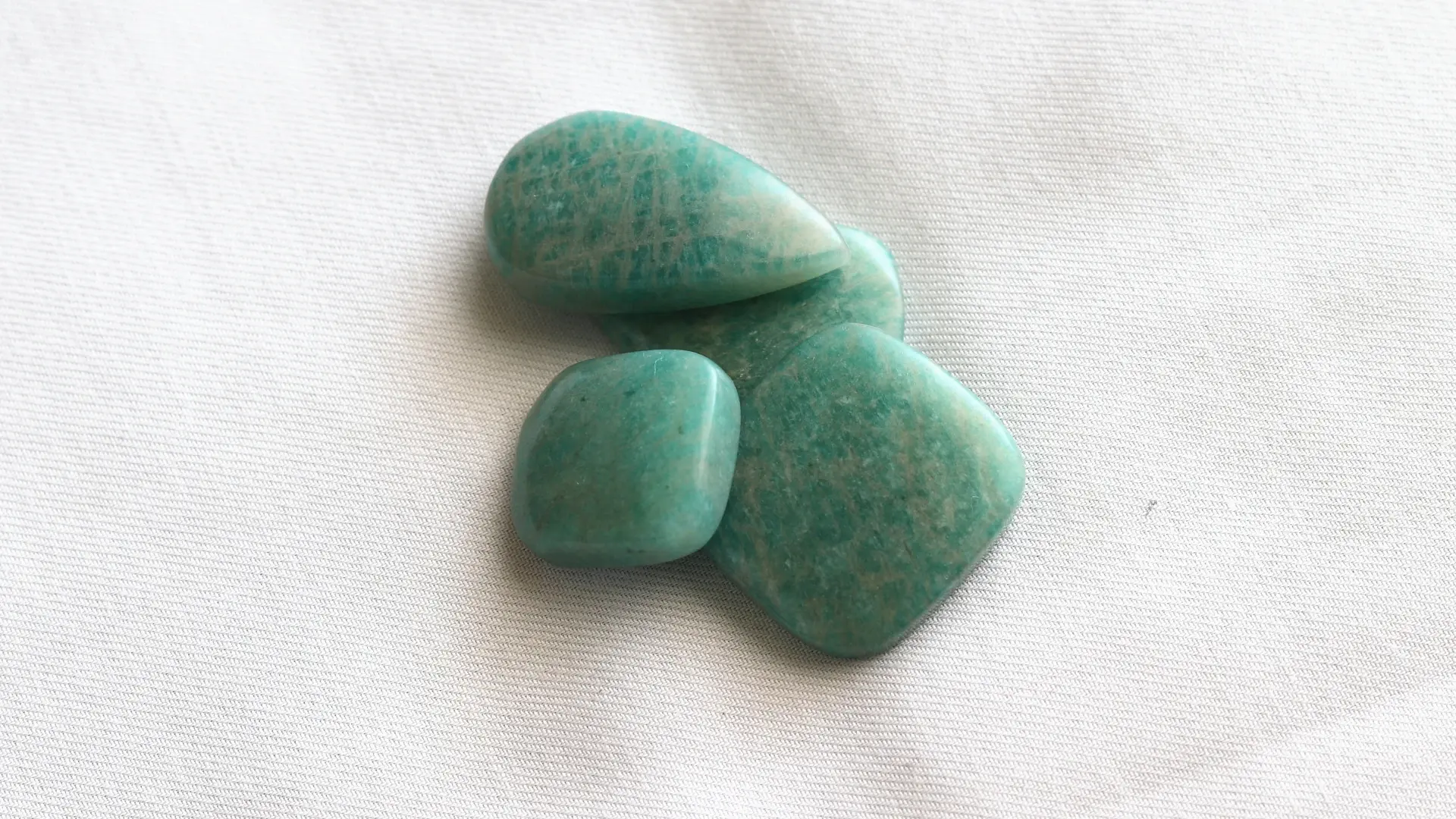
A turquoise-green variety of the feldspar microcline. Despite the name, it does not come from the Amazon.
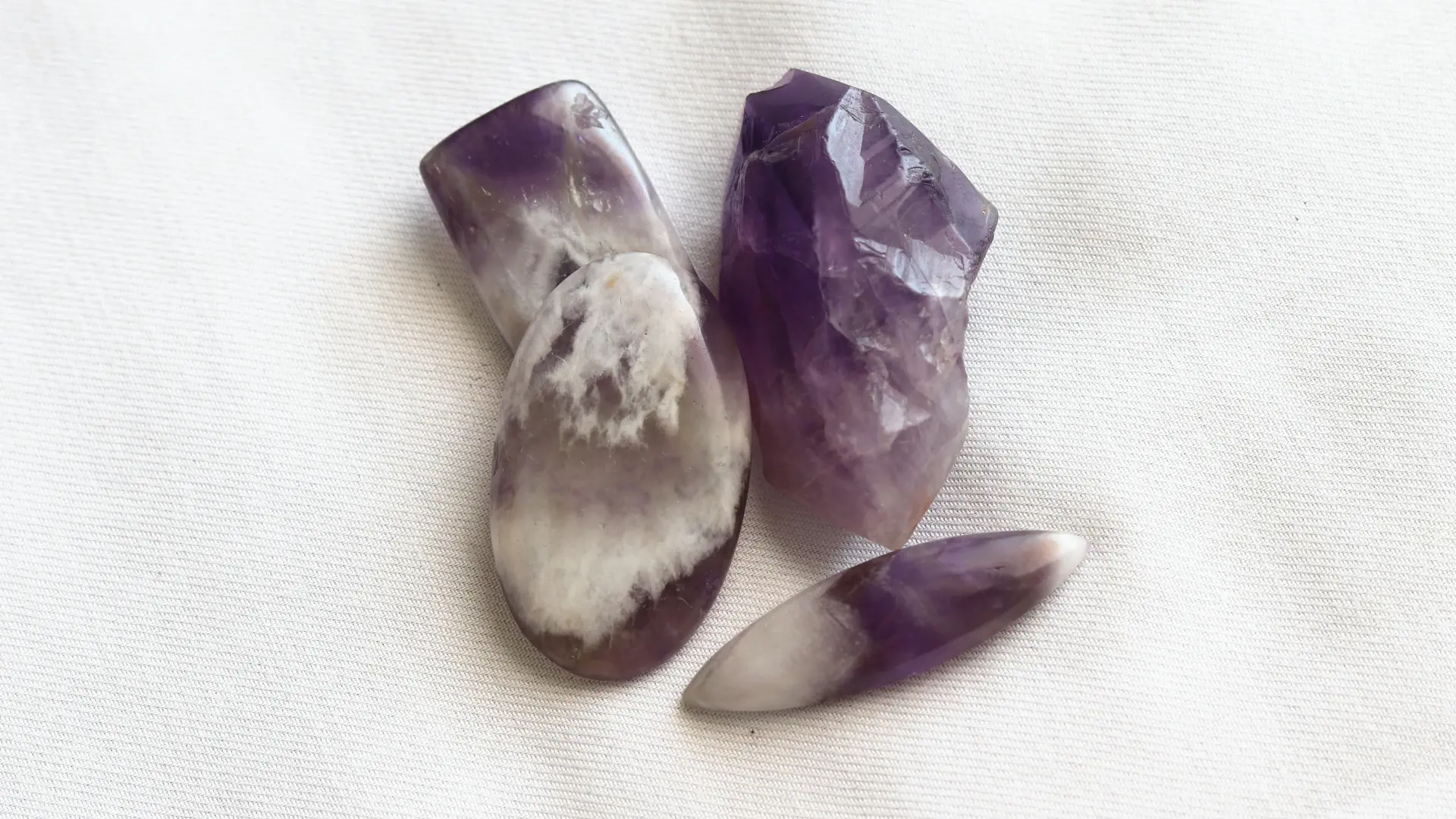
Purple quartz whose Greek name means "not drunk". By the common identification, one of the breastplate stones, and one of the best-loved stones in the world.
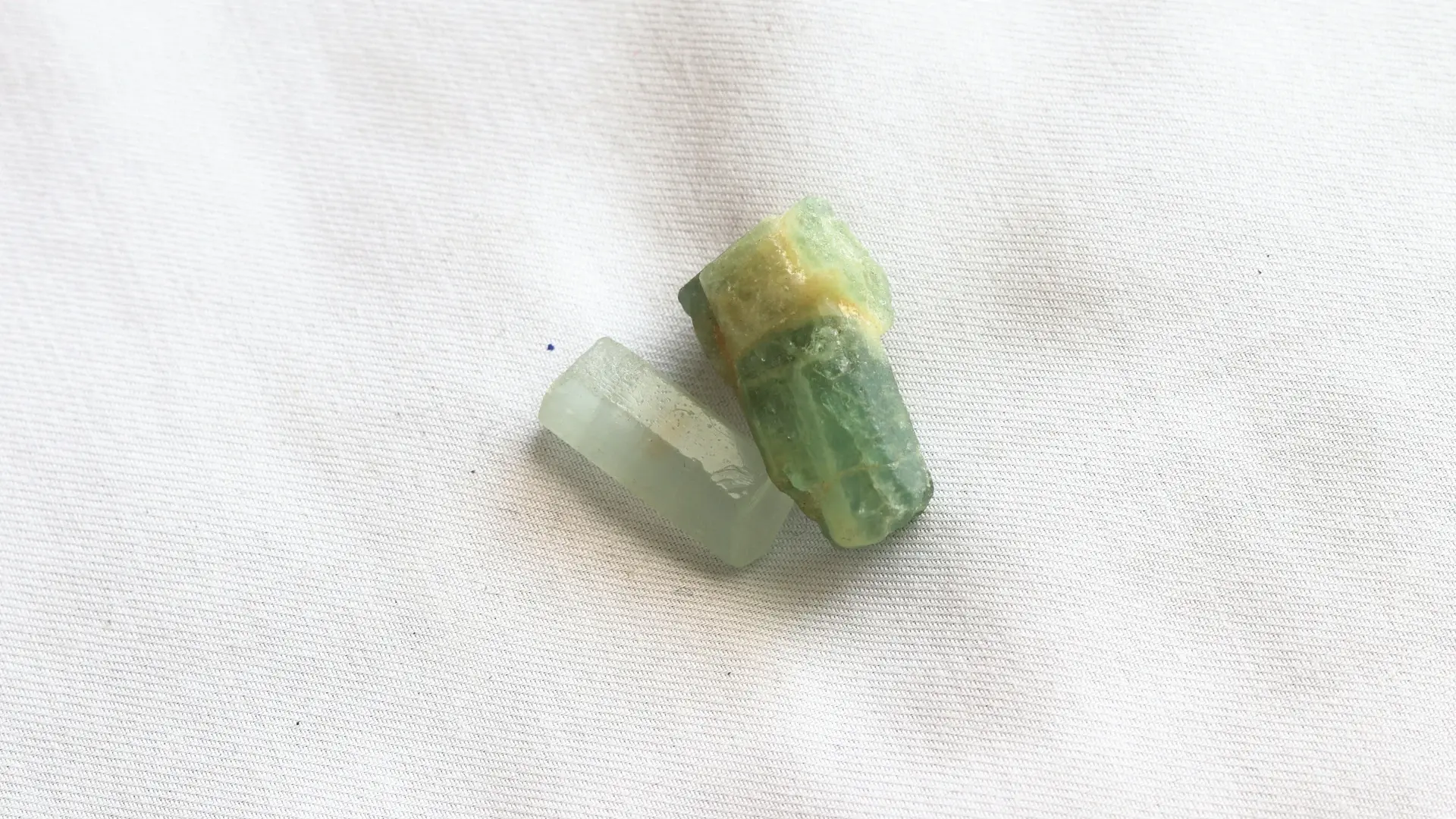
The blue-green variety of beryl, a close relative of emerald. Its name means "seawater".
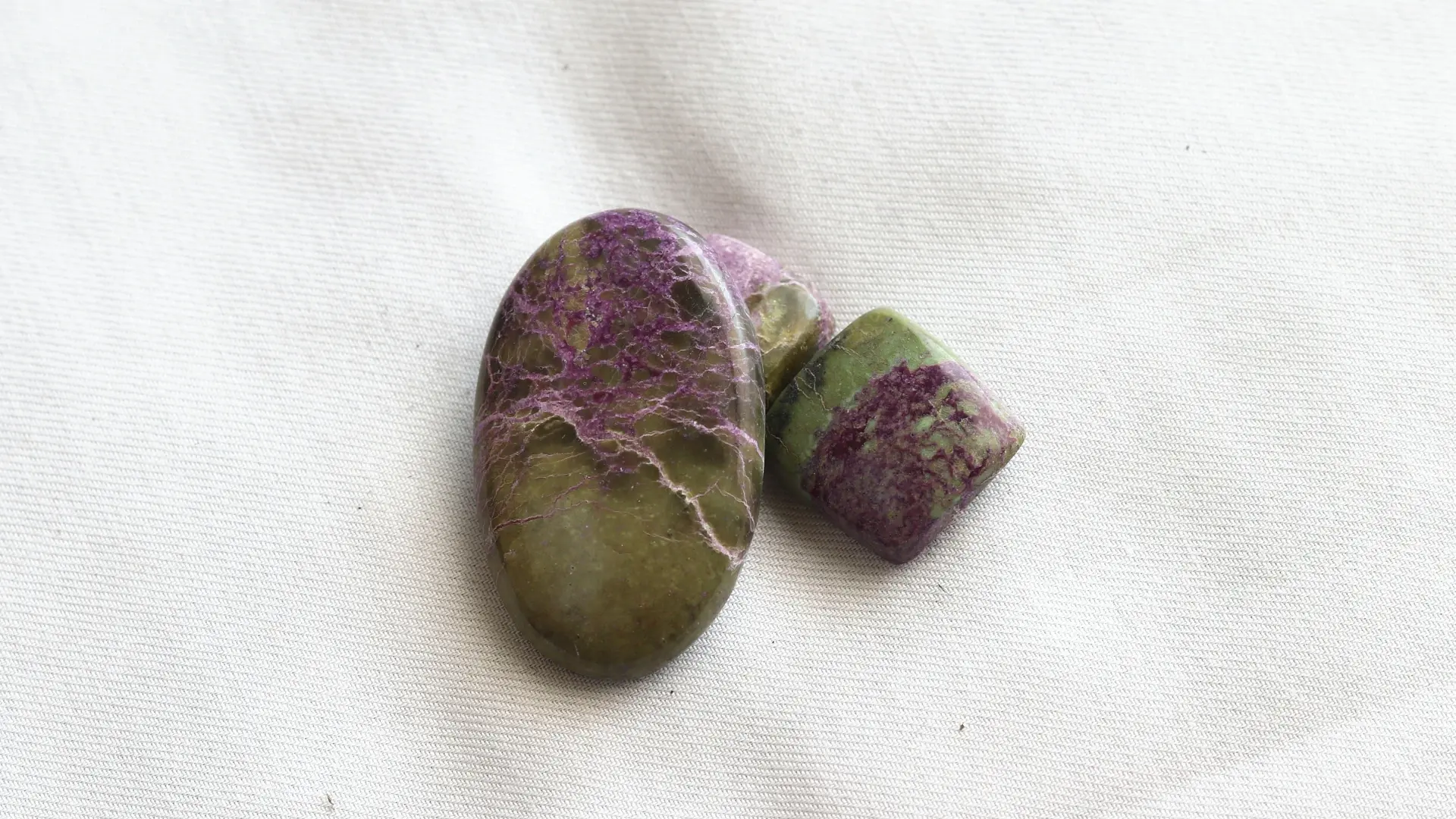
A natural mix of green serpentine and purple stichtite, from a single hill in Tasmania.
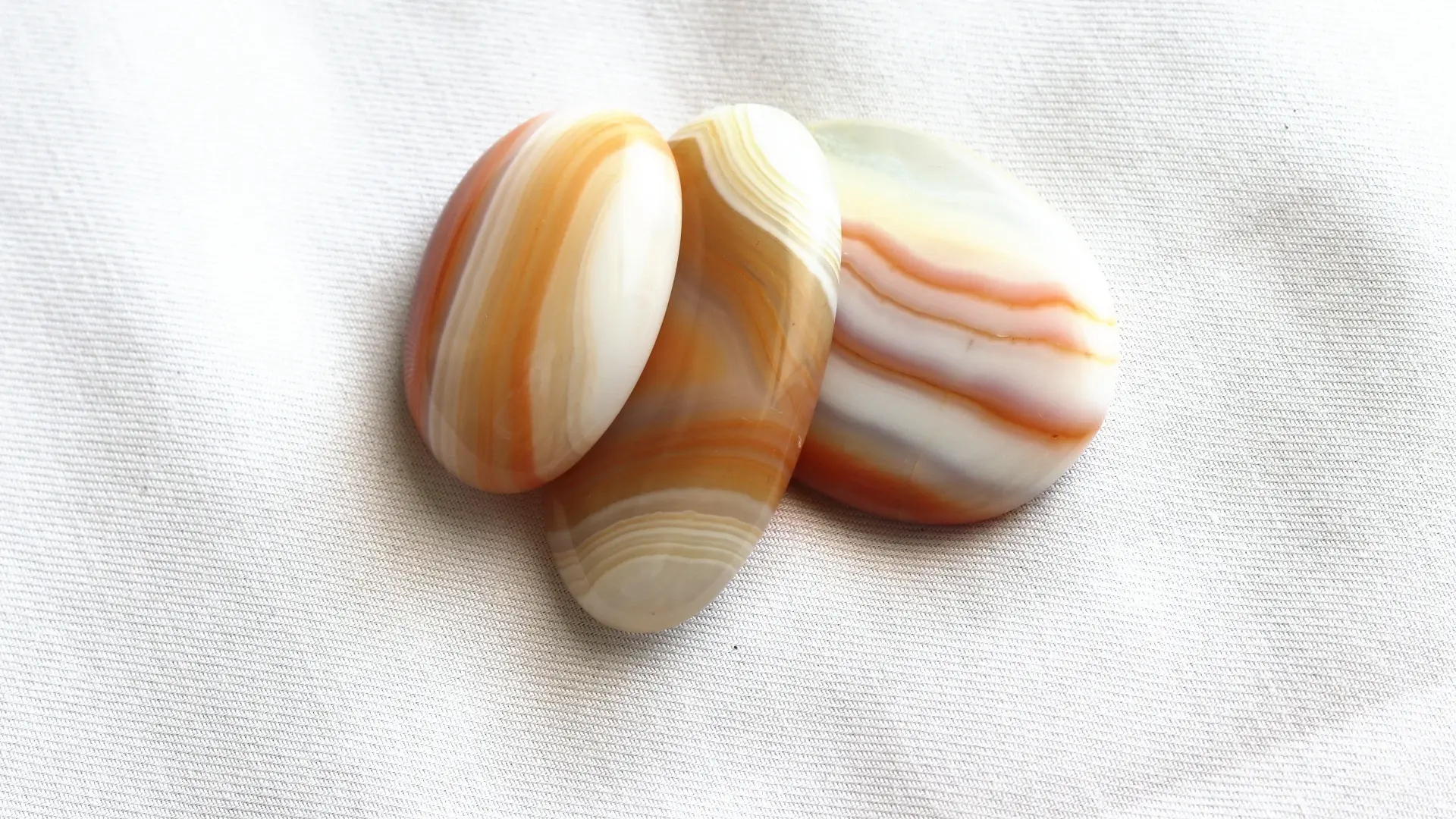
Chalcedony in colored layers, formed inside rock cavities. How exactly the bands form is still an open question.
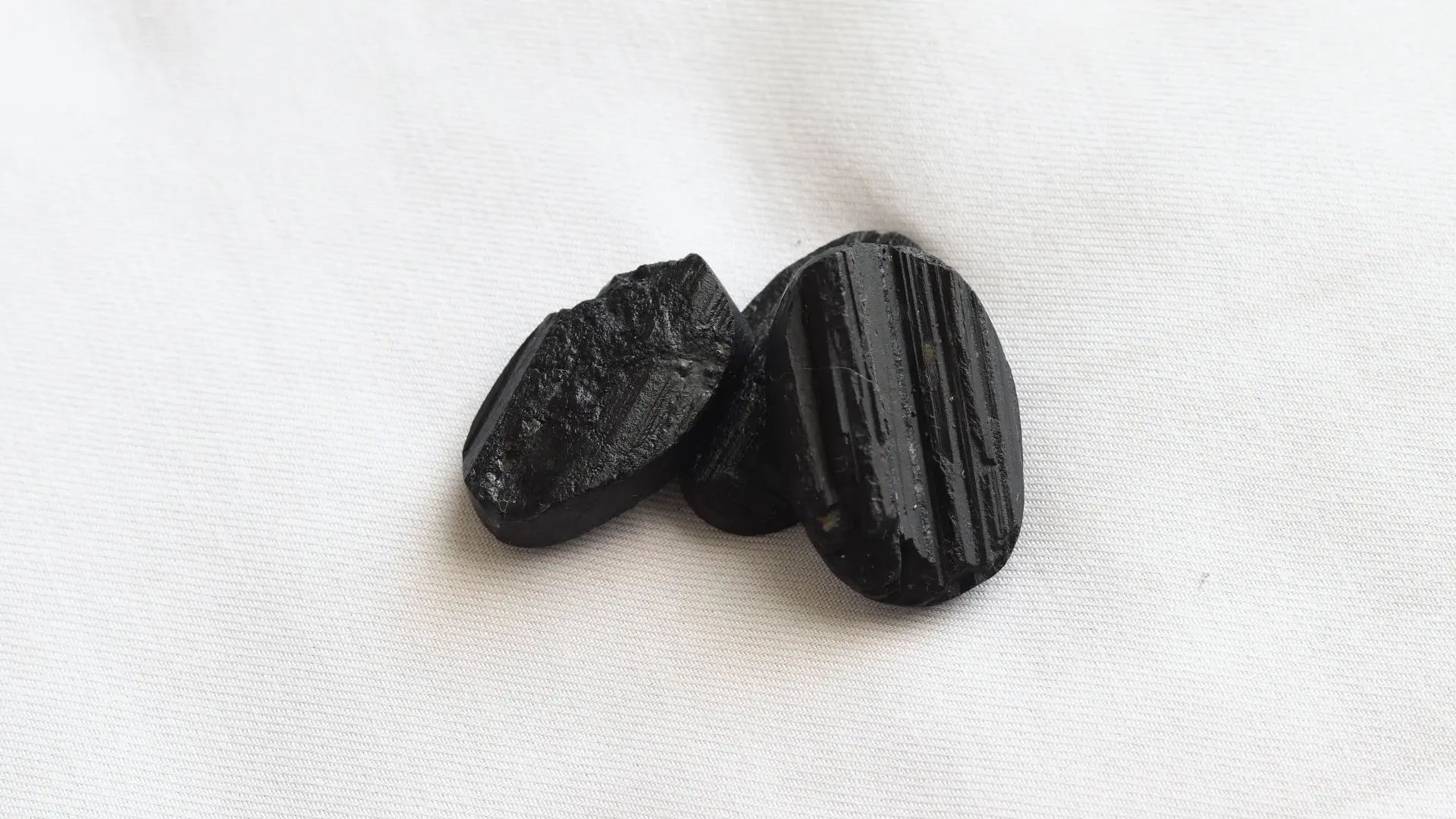
Schorl, the most common tourmaline in nature: black, opaque and grooved along its length. Its name comes from a German village that has since changed its own name.
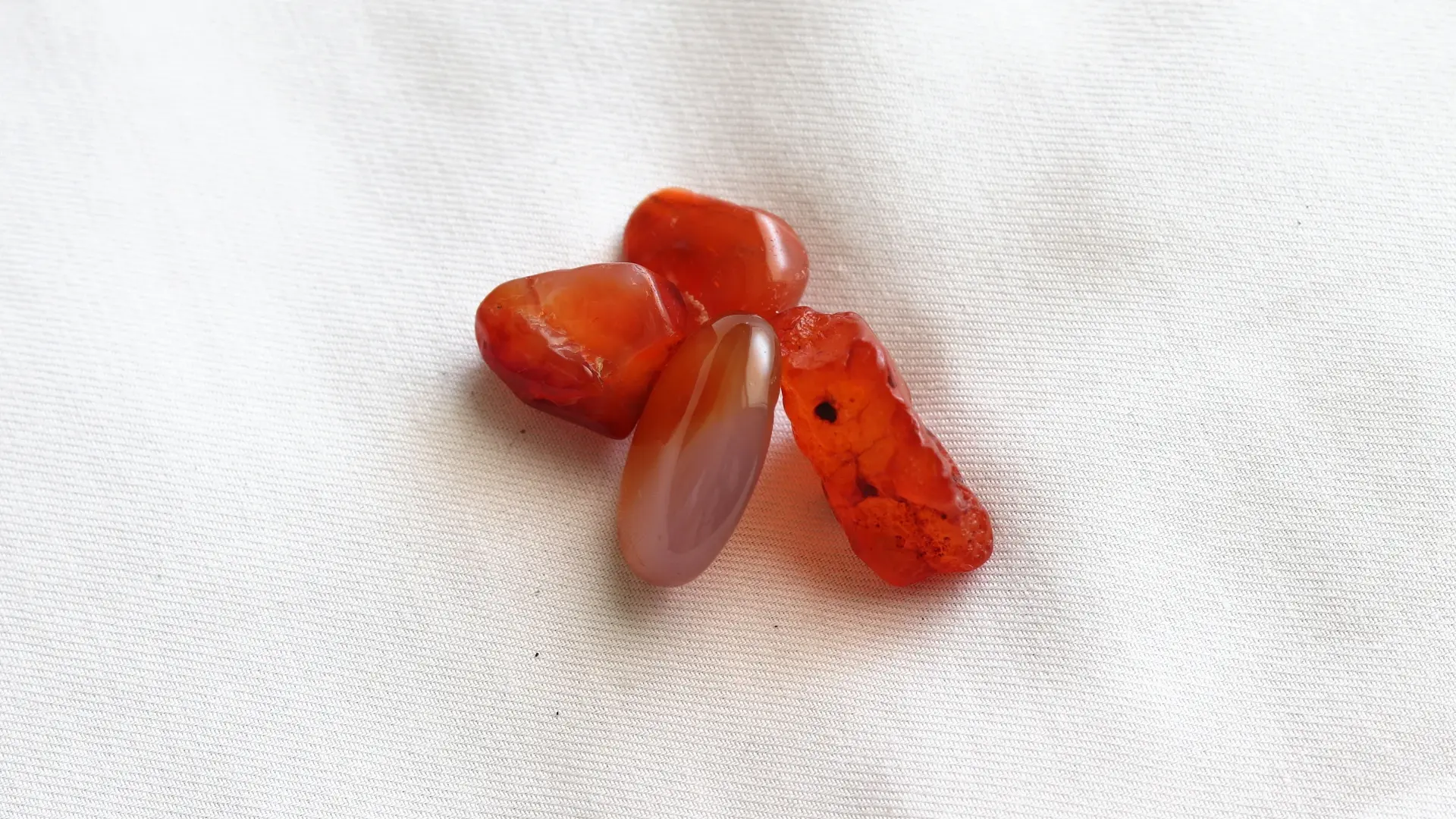
Orange-red chalcedony colored by iron oxides. The Romans loved it for seals, because hot wax doesn't stick to it.
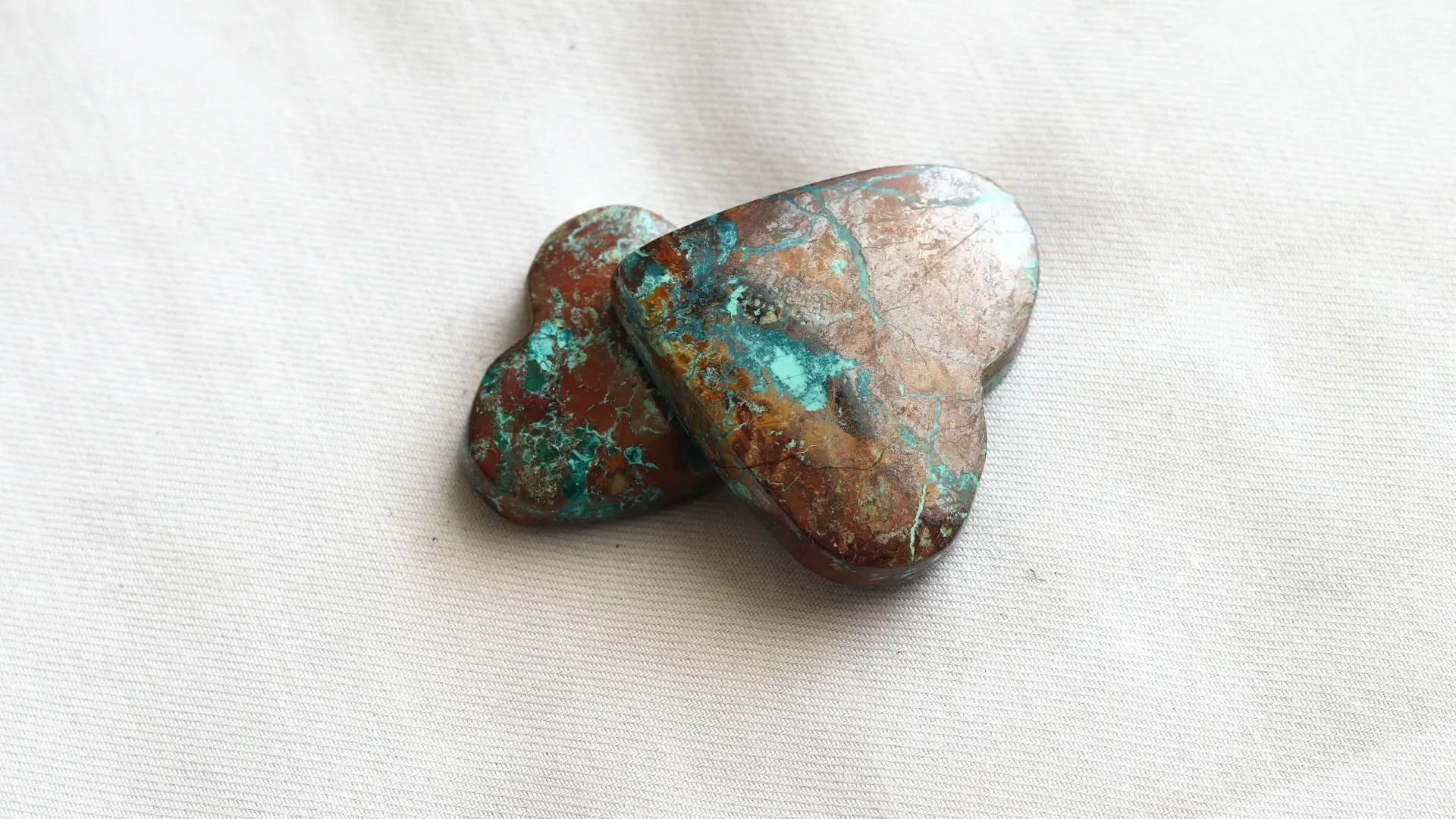
Two copper minerals in one stone: blue-green chrysocolla and red cuprite. A desert sunset, only polished.
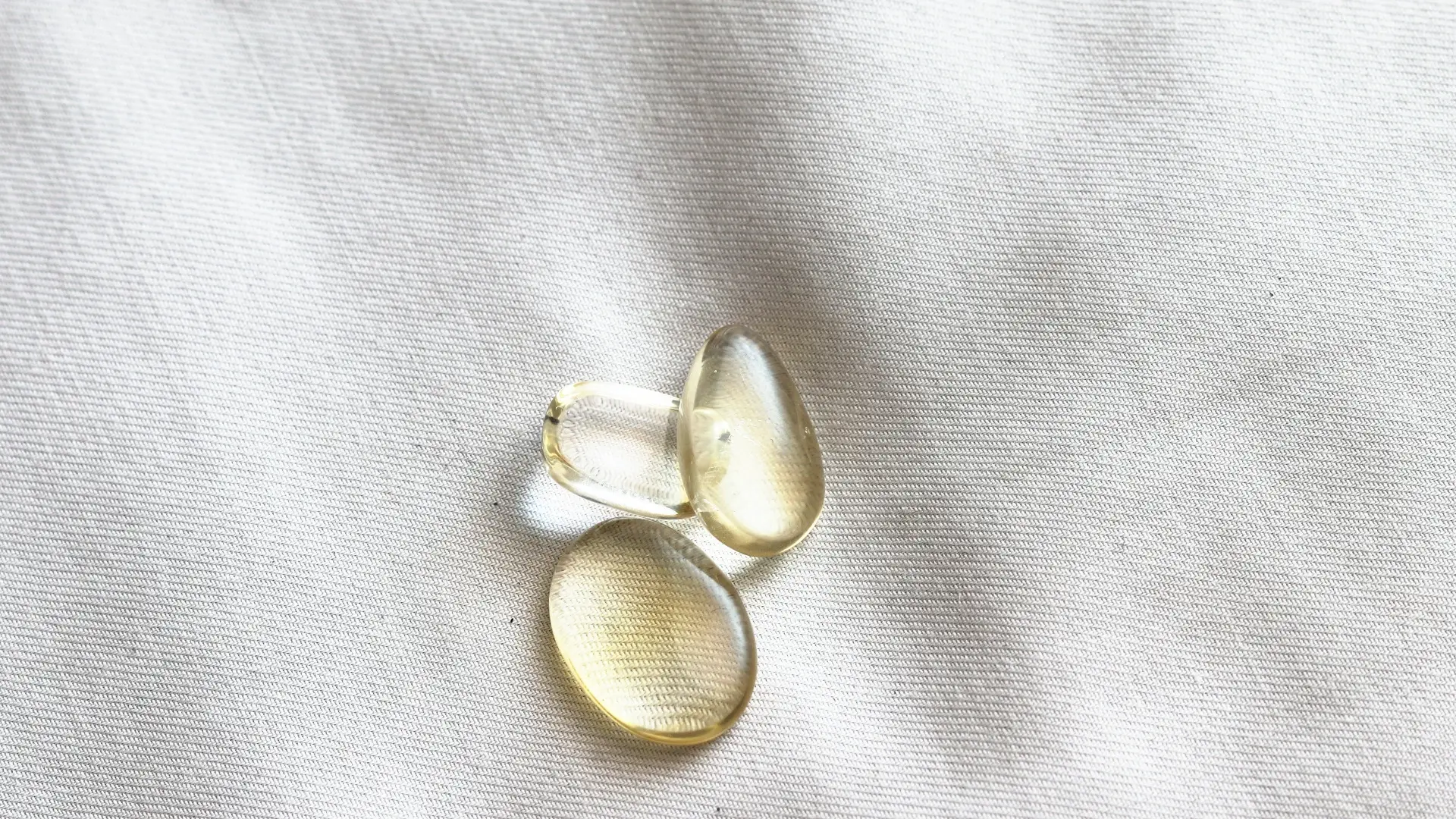
Lemon-colored quartz. It is rare in nature, which is why most citrine on the market started life as purple amethyst.
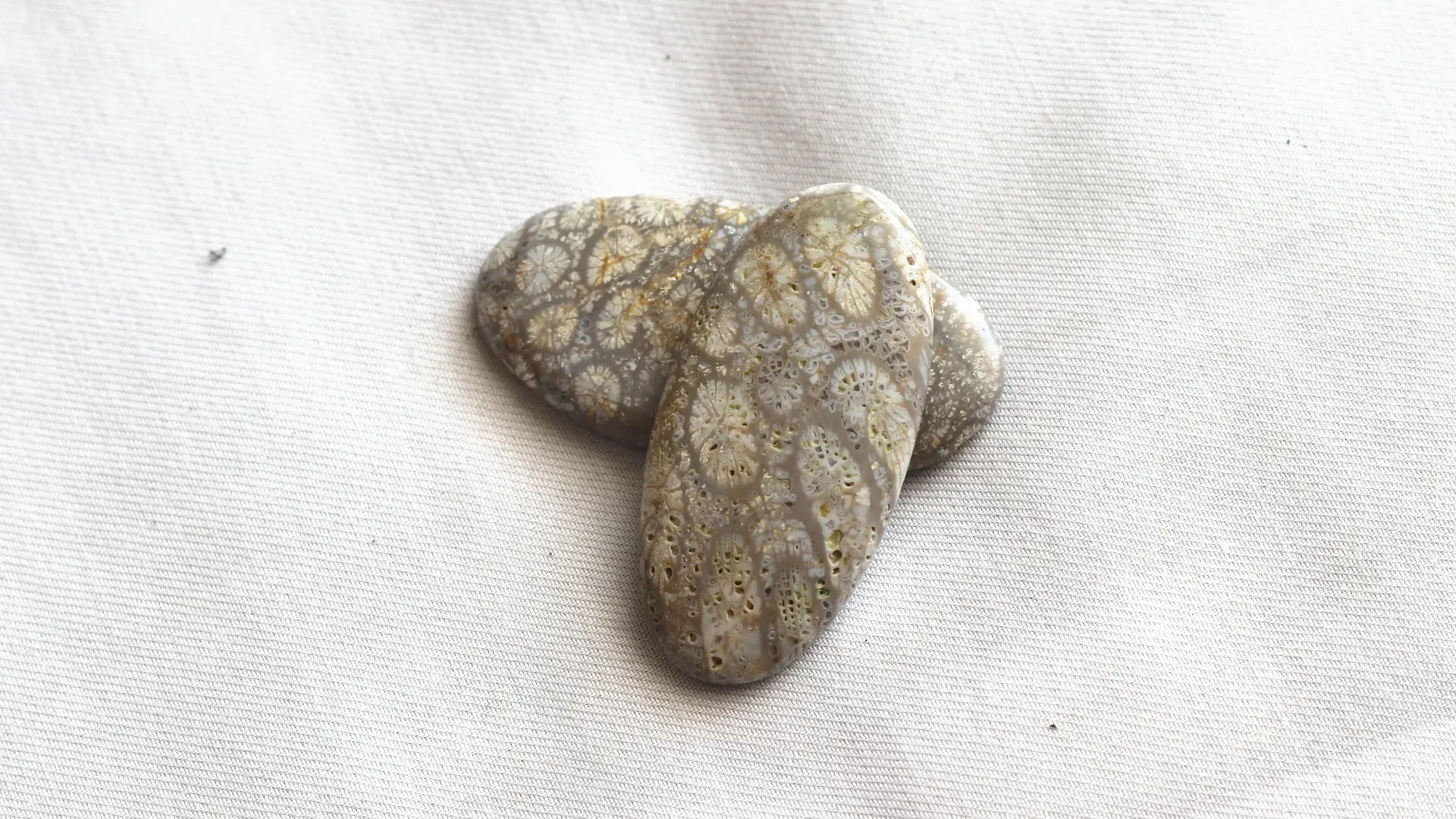
Coral that lived millions of years ago and turned to stone without losing its shape. The flowers on the stone are the corals' old homes.
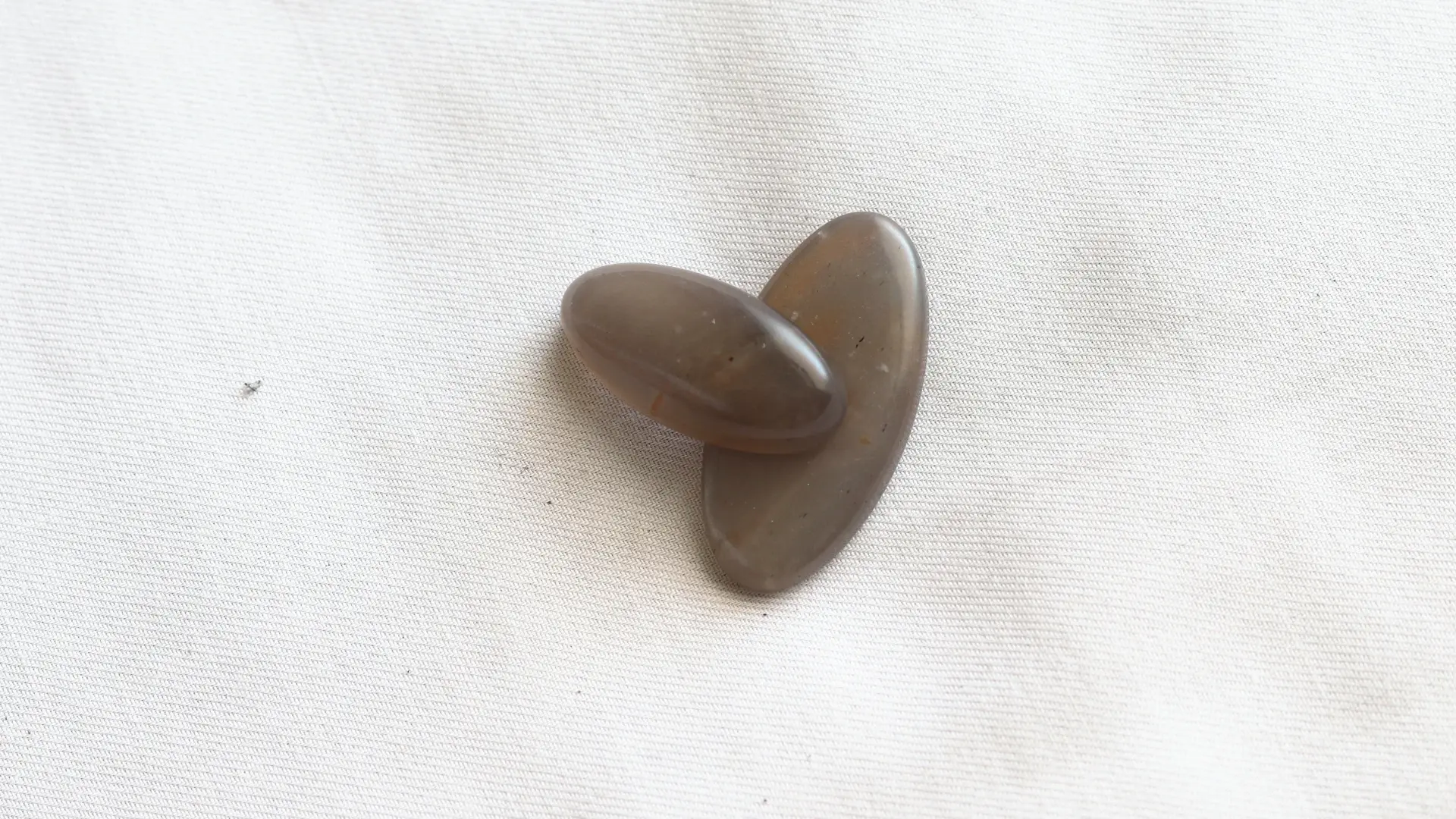
Moonstone in a smoky grey shade, with a soft glow that moves across the stone as you turn it. Crystal websites call it the "New Moon Stone".
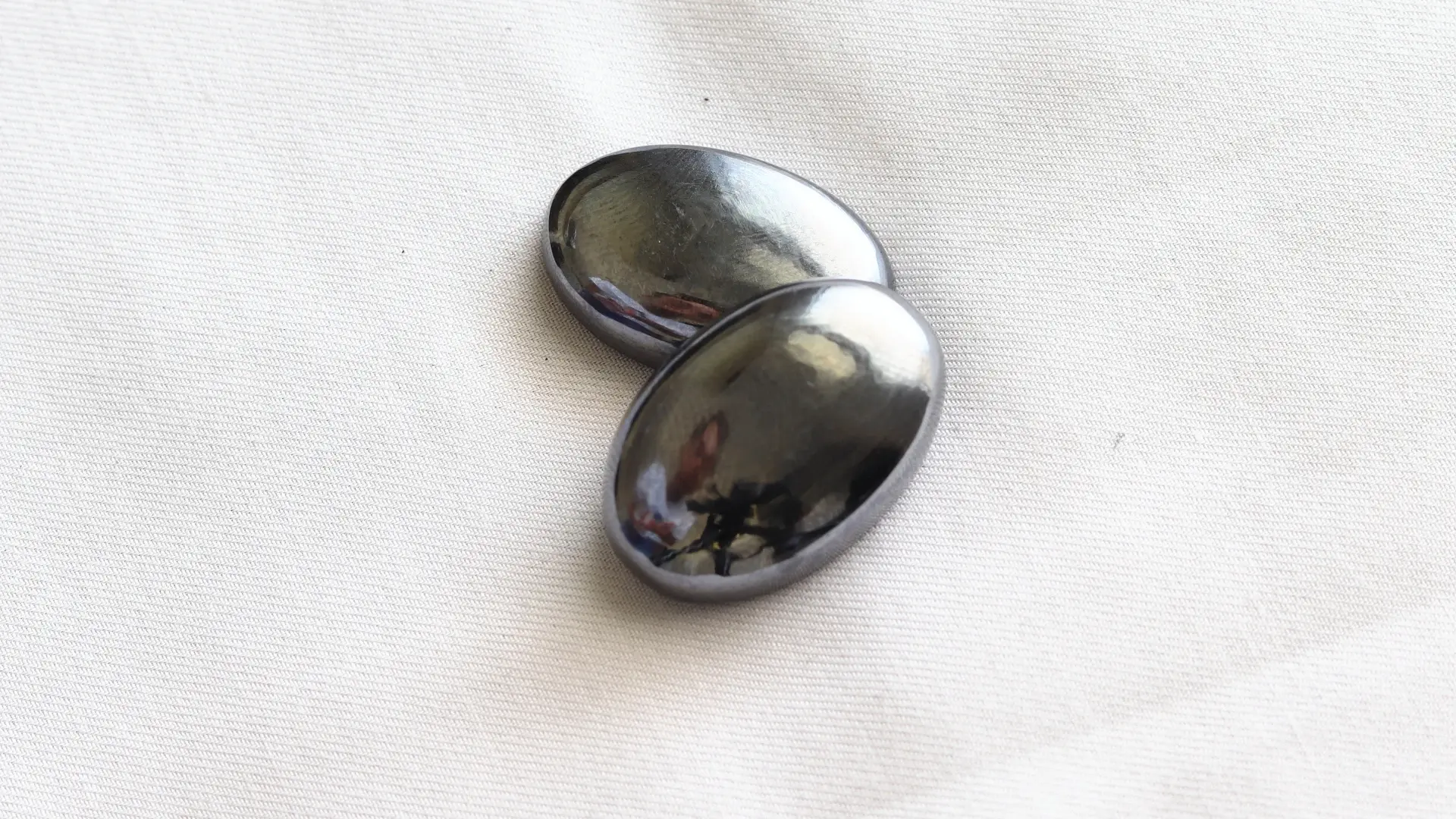
An iron mineral that looks like a silver-black mirror, yet its name means "blood". Scratch it on porcelain and it will explain why.
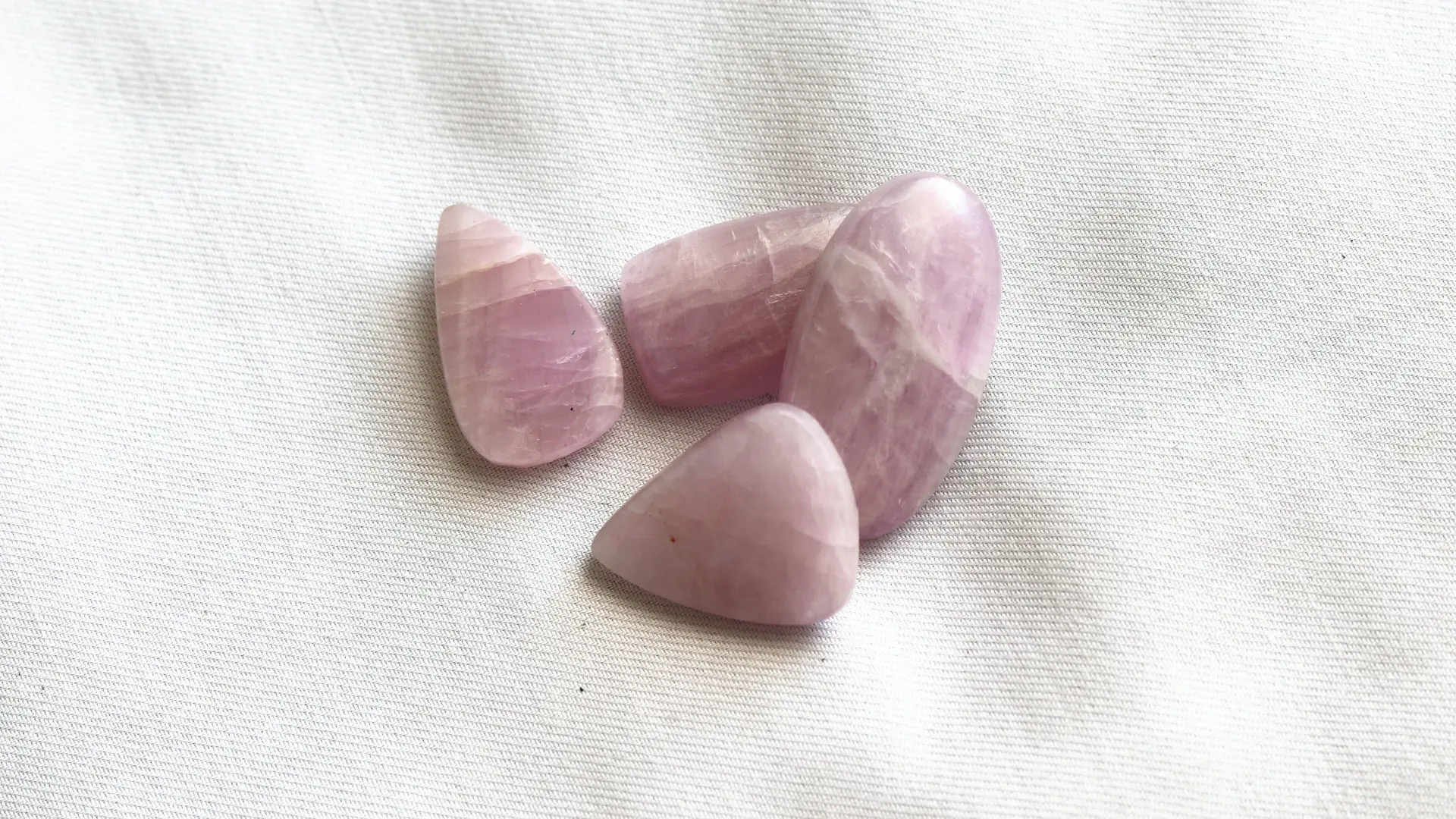
The pink-violet variety of spodumene, a lithium mineral. Pretty, delicate, and not a big fan of sunshine.
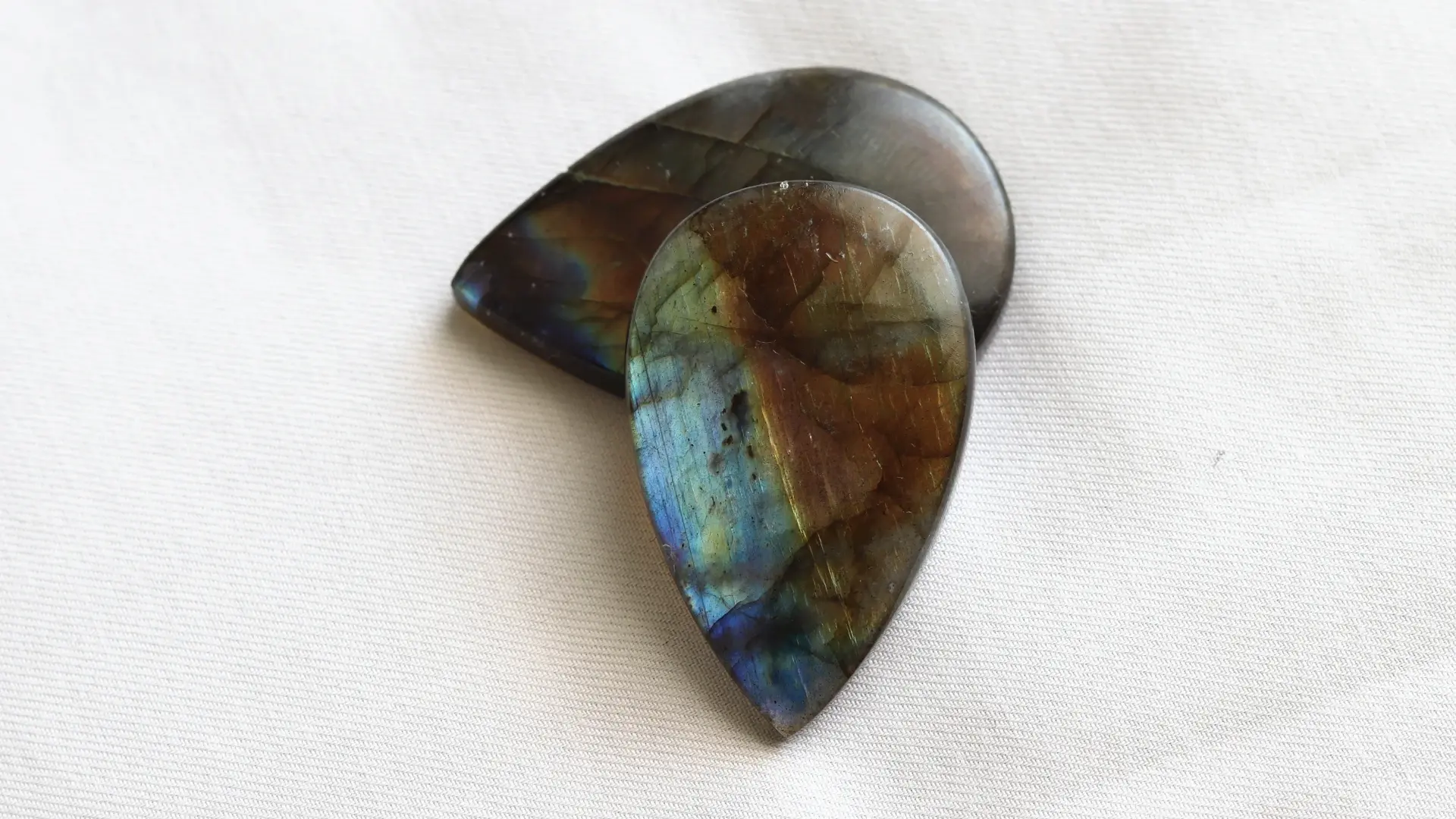
A modest grey stone, until you turn it in your hand and it lights up in blue, green and gold.
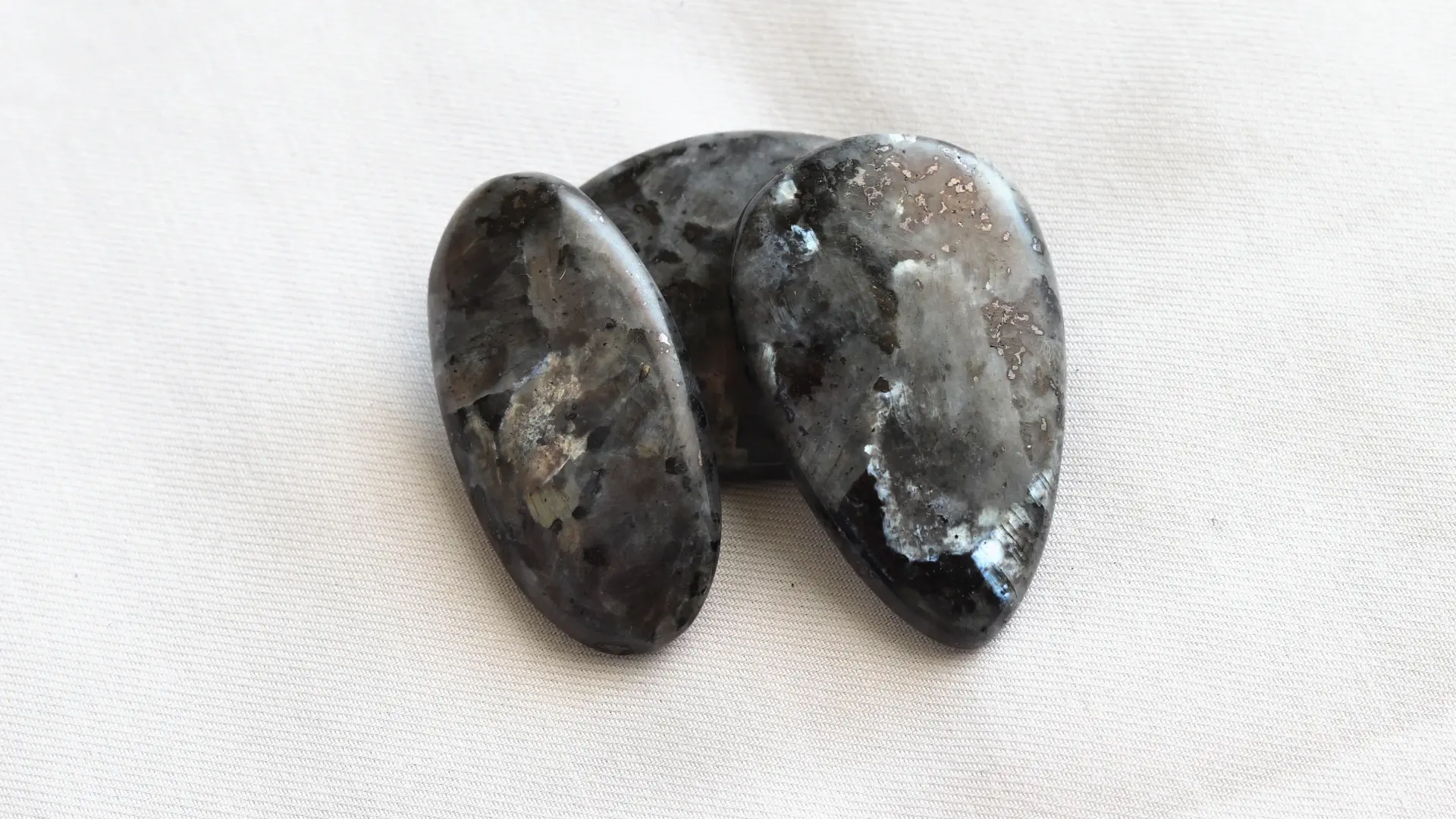
A dark igneous rock from Norway whose feldspar crystals flash silvery blue.
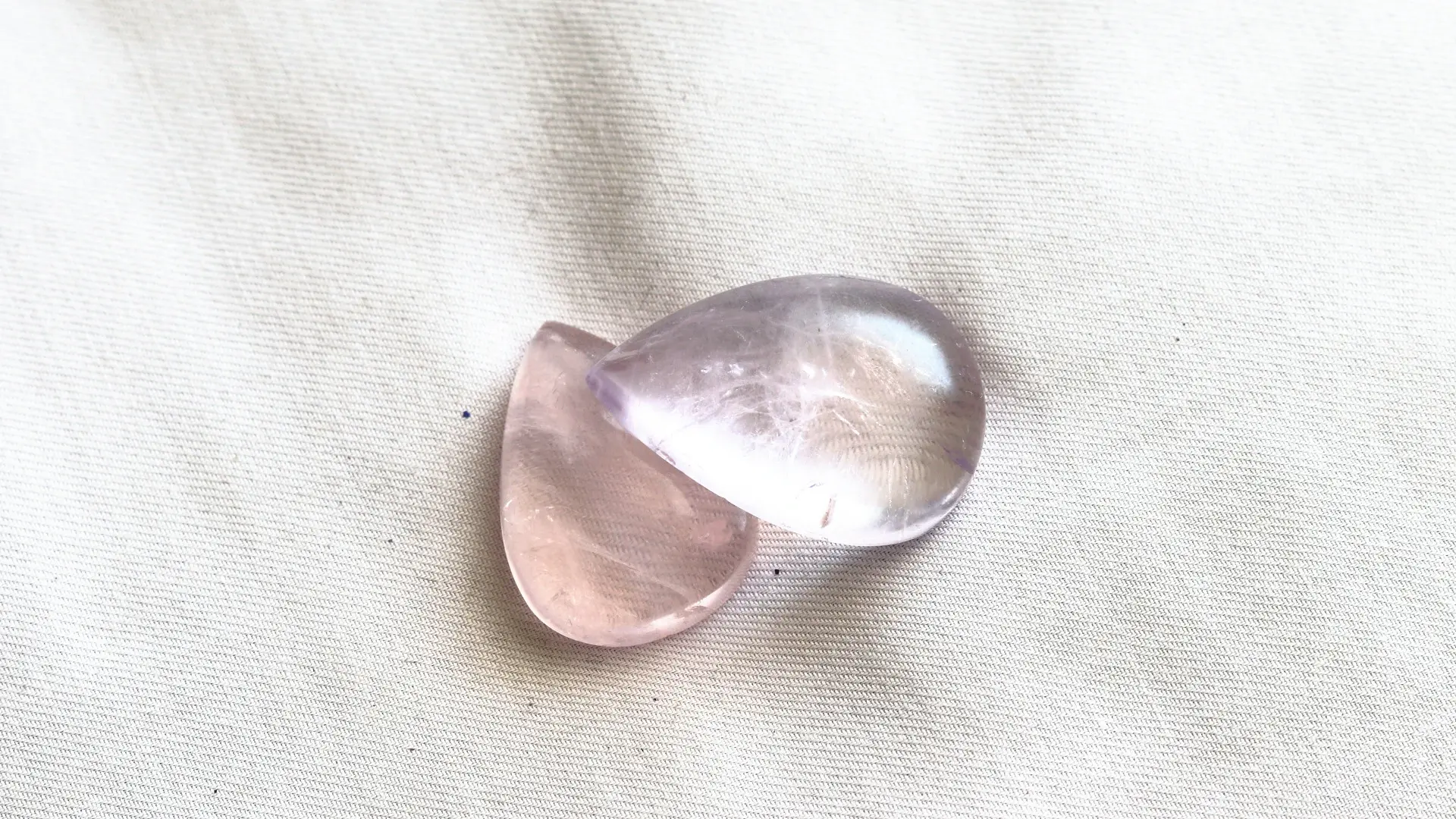
Amethyst in a pale lilac shade. It used to be the shade sold at a discount; now it has a French name.
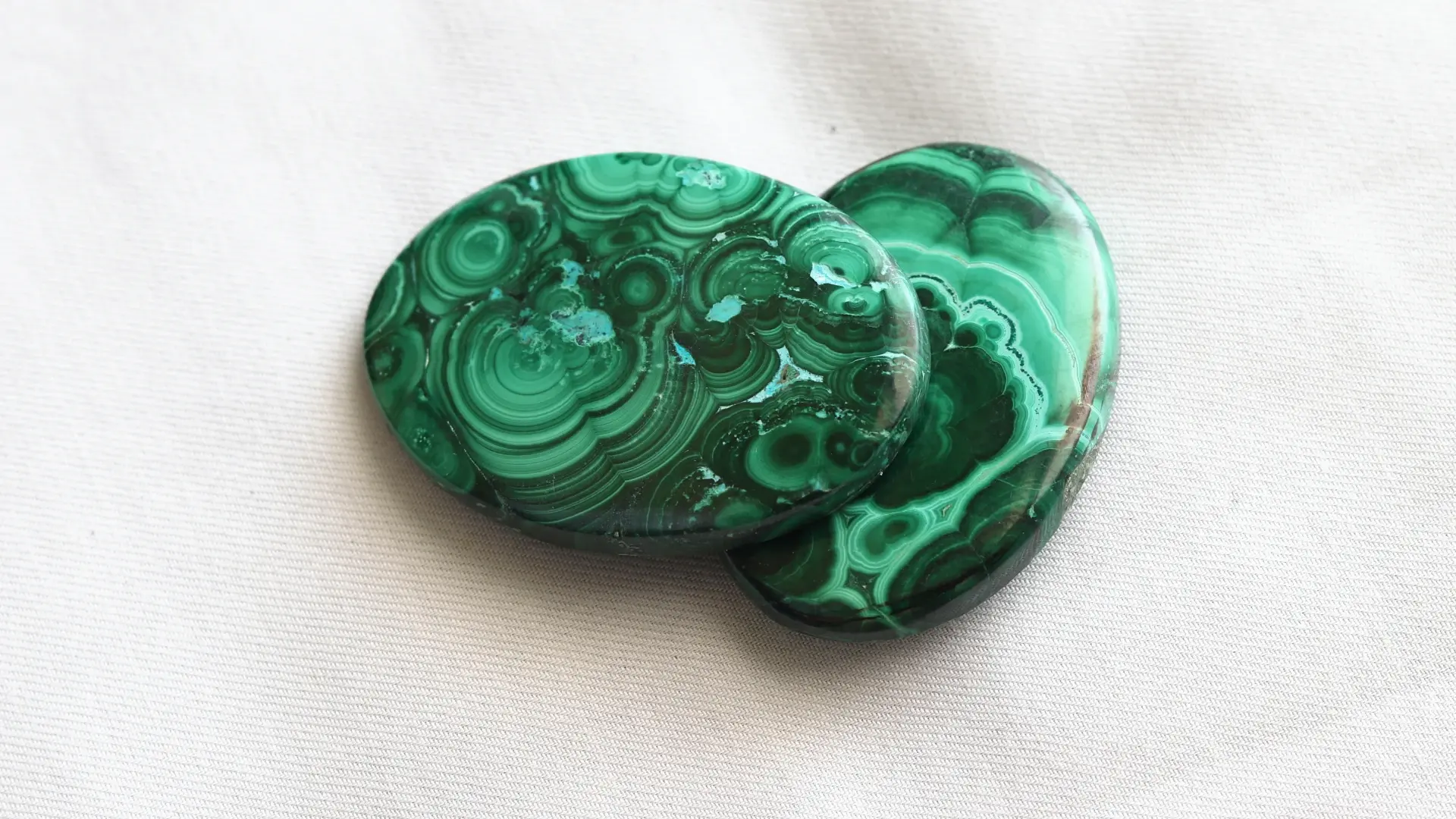
A vivid green copper mineral, with rings that look like a map of hills. Soft, beautiful, and mined in the Timna Valley long ago.
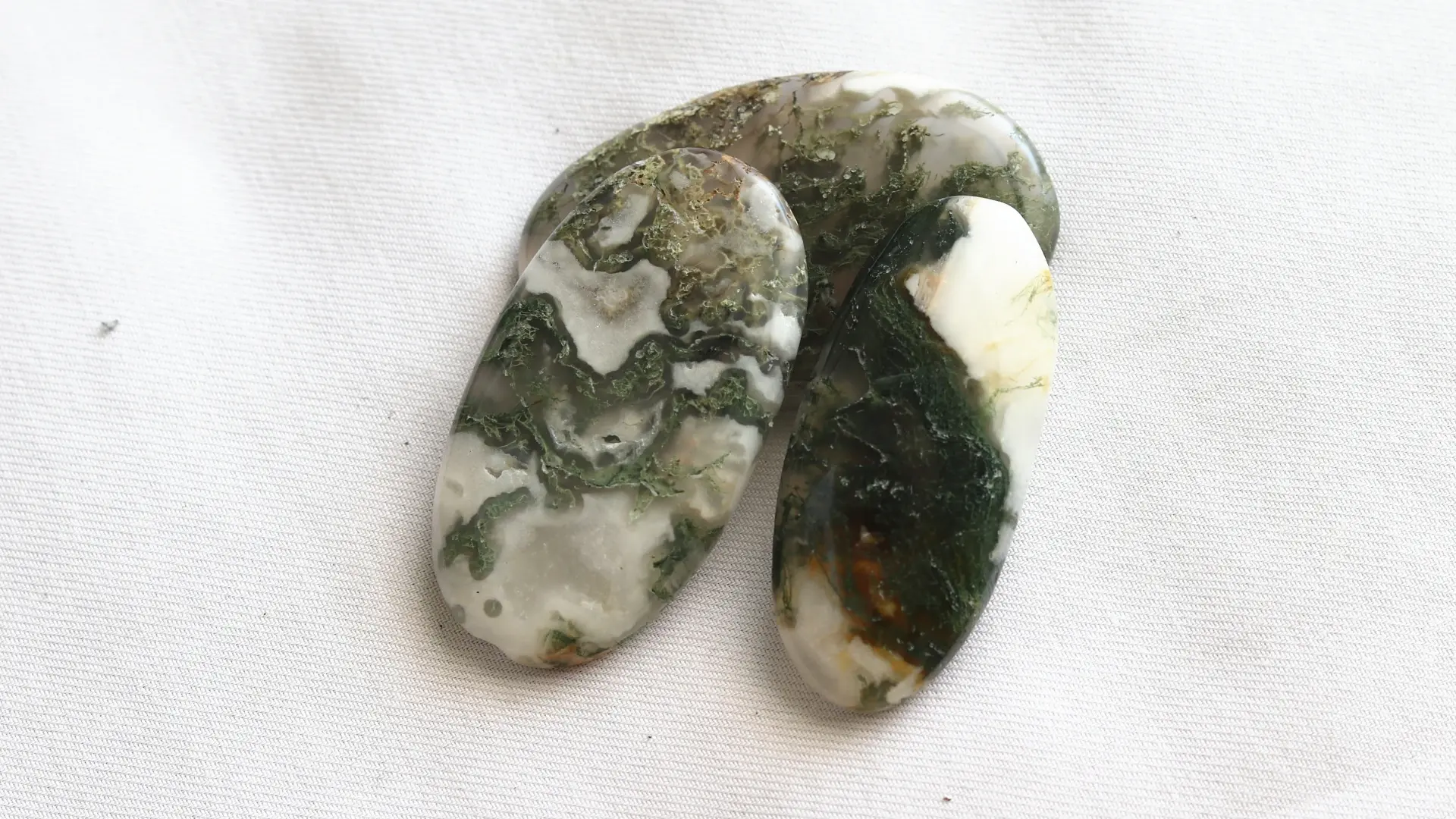
Milky white chalcedony with green "moss" inside. It is not moss, and technically it is not quite agate either.
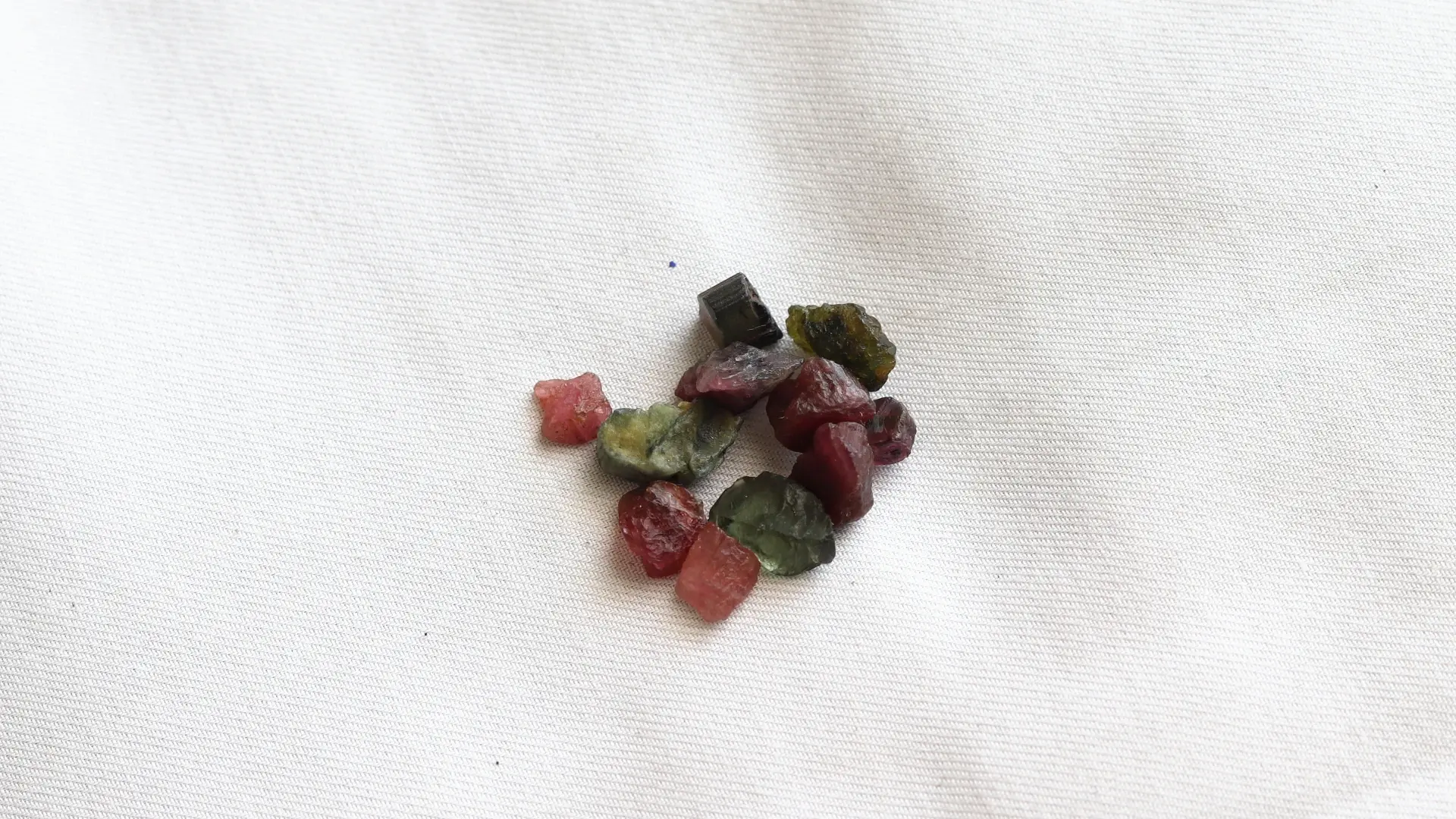
A handful of rough crystals in pink, red and green. Tourmaline has one of the widest color ranges of any gem, sometimes with several colors in a single crystal.
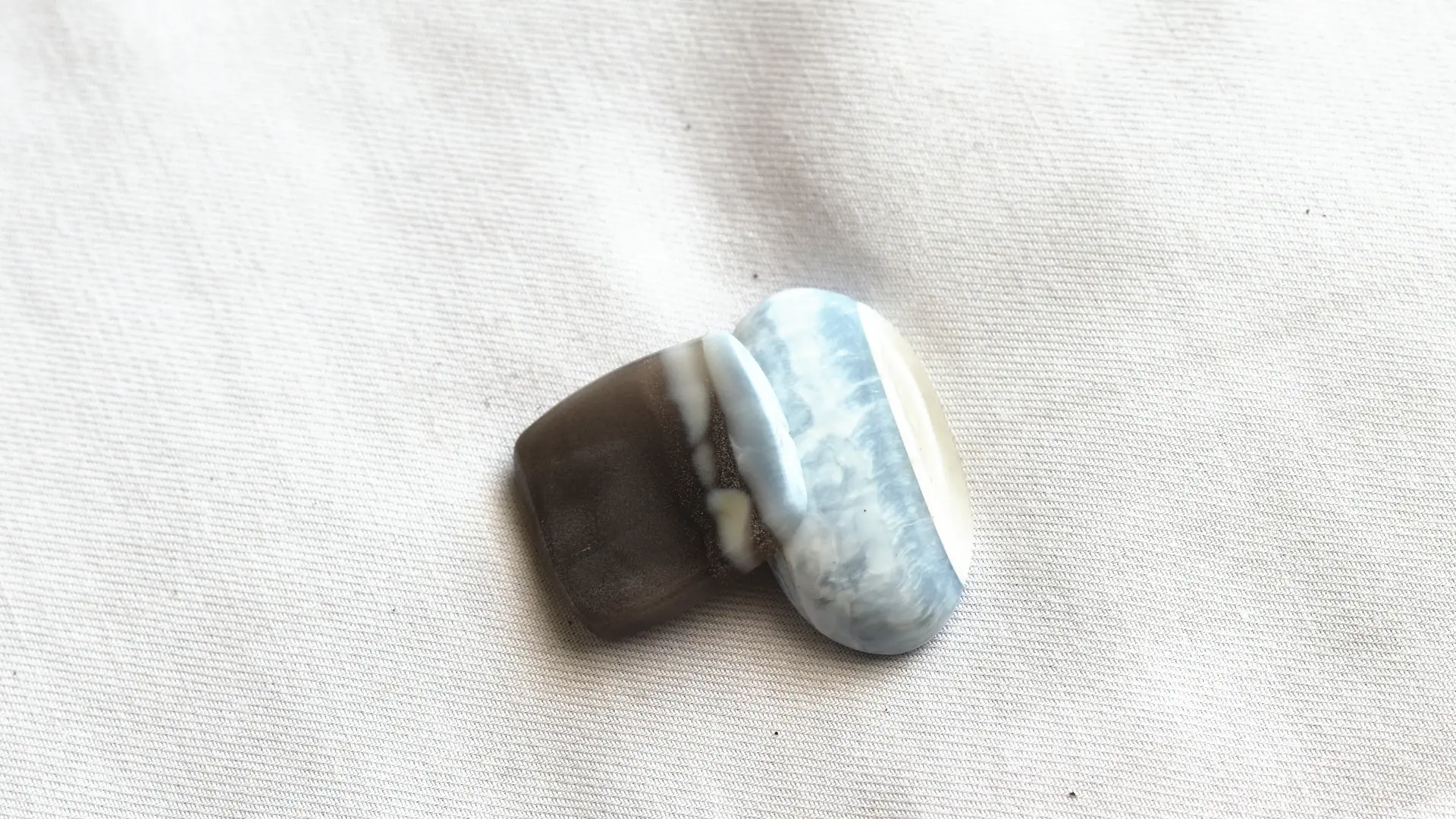
Blue opal from Oregon, without the rainbow flashes of precious opal. Instead, it has the color of a pale sky.
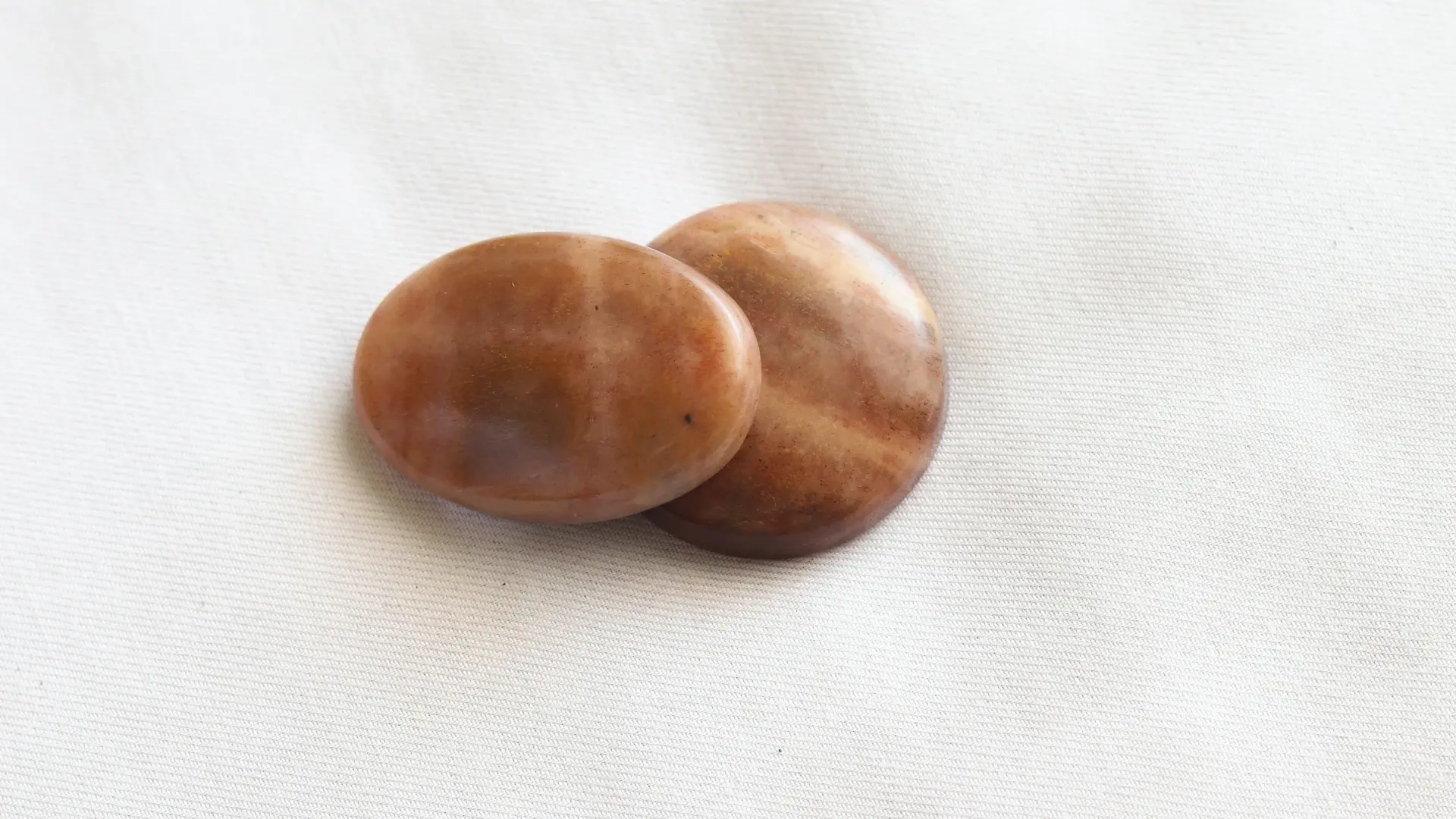
Moonstone in a warm peach shade, with a soft glow that appears when you turn it in the light.
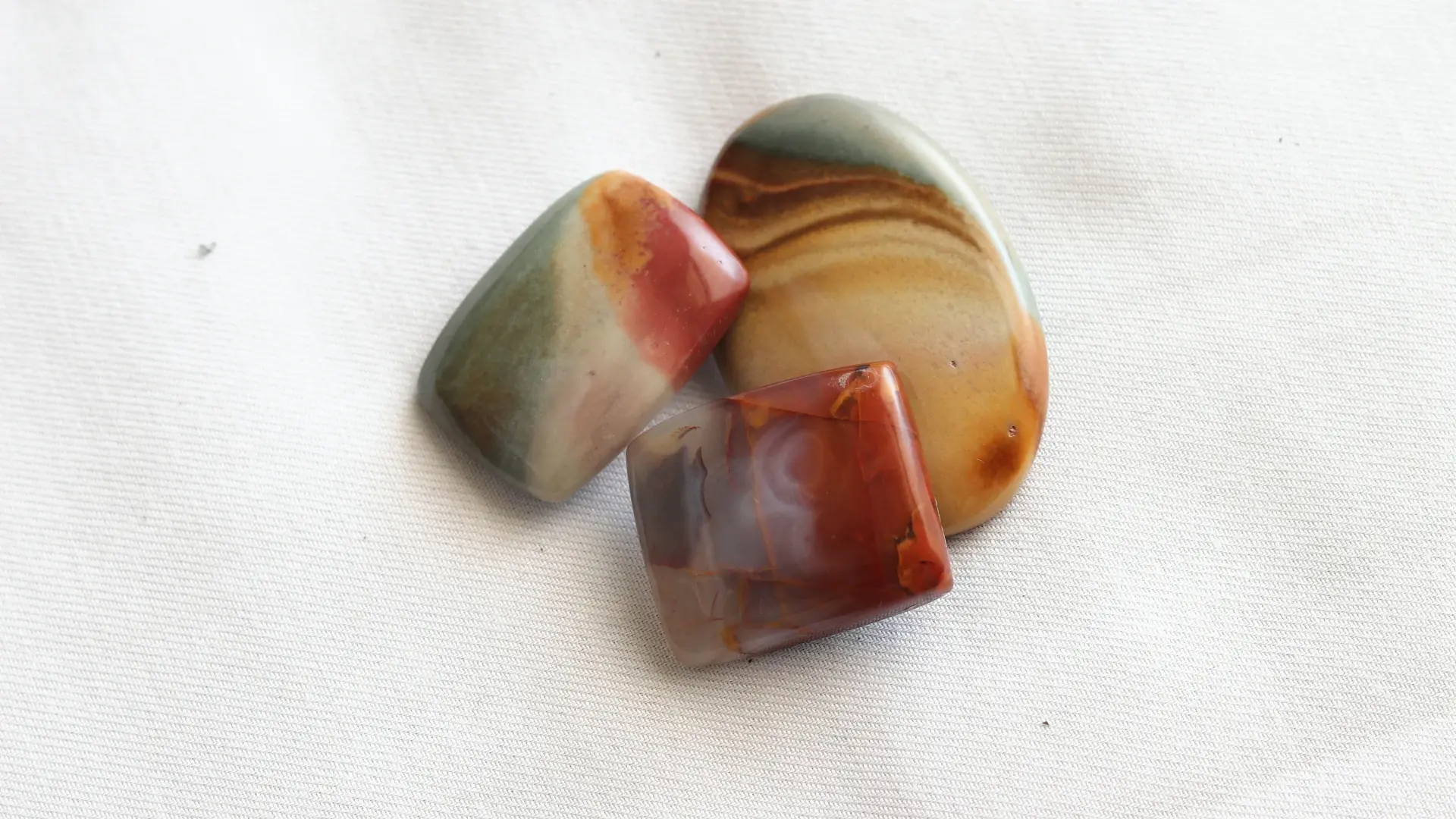
Jasper from Madagascar in bands of red, orange, yellow and greyish green, like a small desert landscape. Reportedly found in 2006, while people were looking for a different jasper.
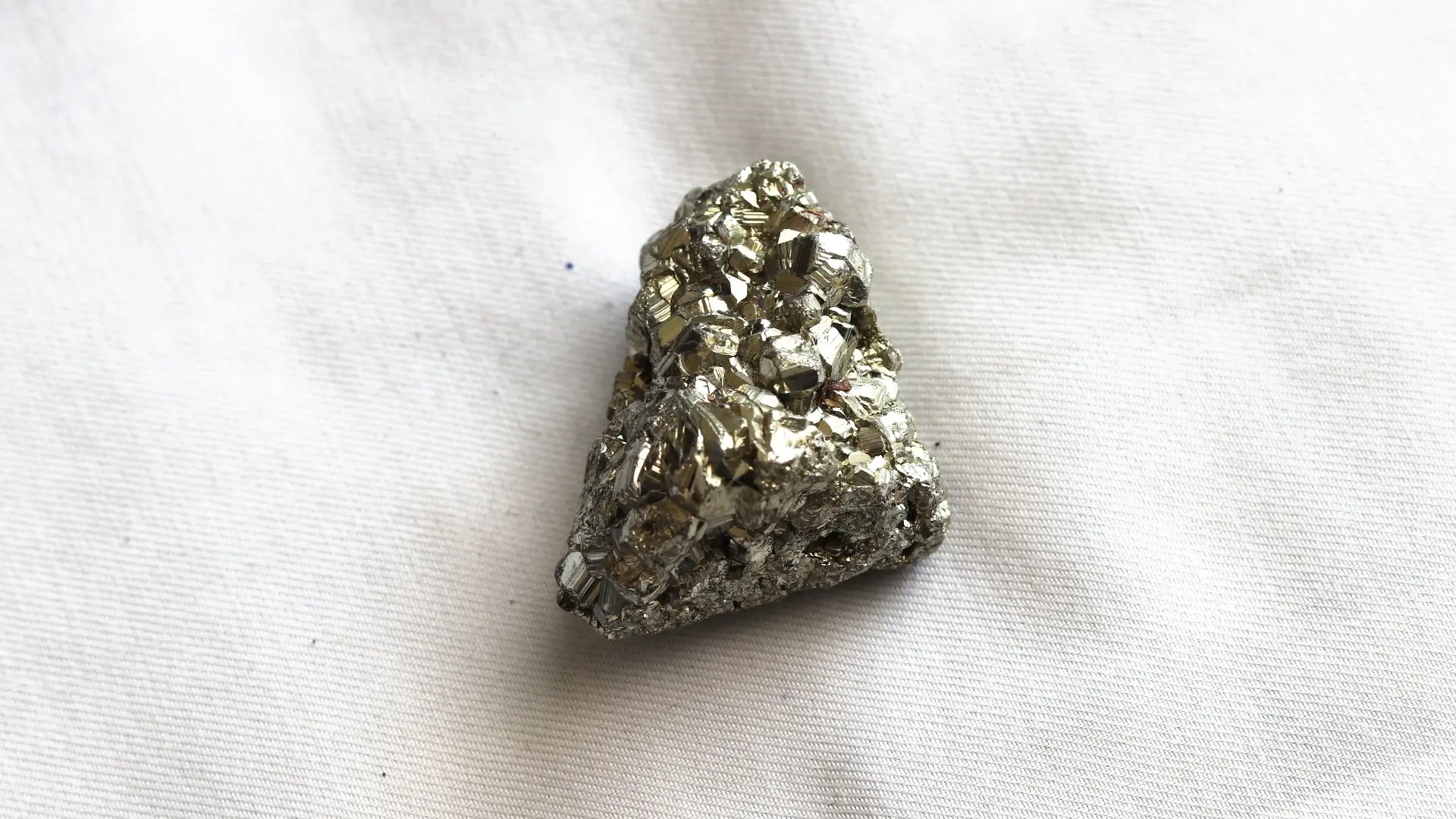
"Fool's gold": an iron and sulfur mineral that looks like gold, strikes sparks, and sometimes hides real gold inside.
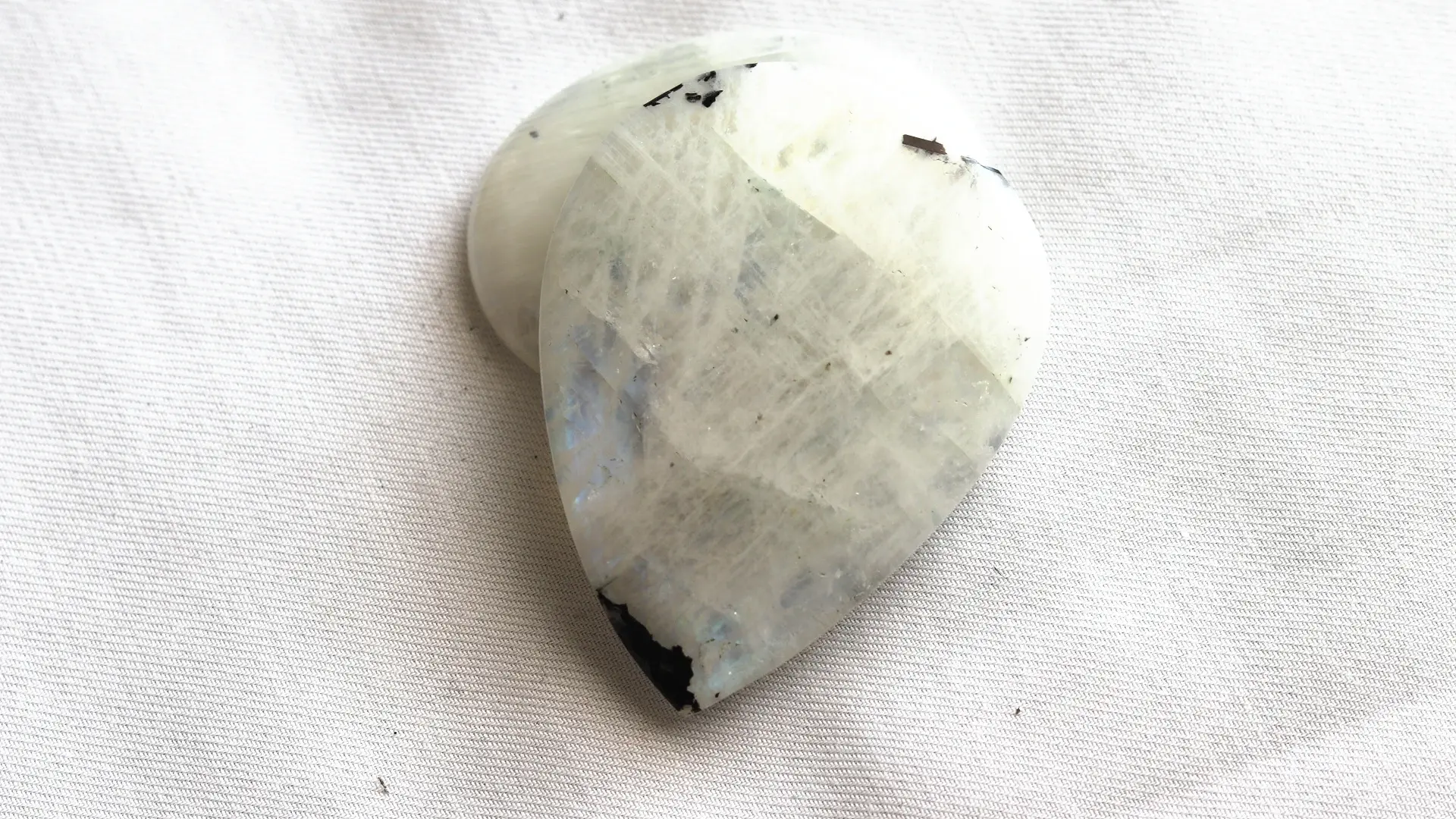
A white stone with a blue glow and black specks. Its name promises two things, and both are more complicated than they sound.