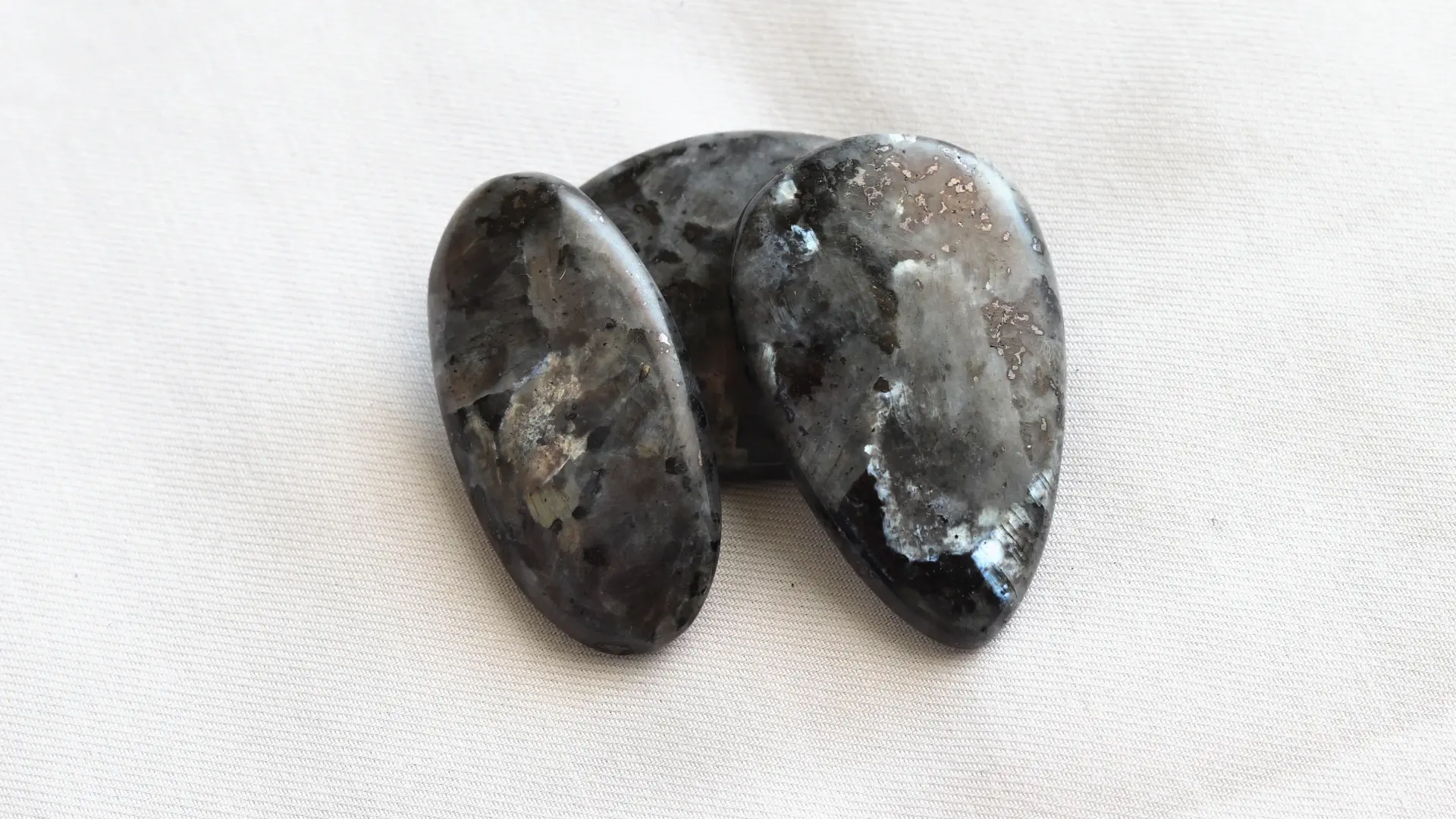
Larvikite
A dark igneous rock from Norway whose feldspar crystals flash silvery blue.
Larvikite is not a single mineral but a rock: an igneous rock, a variety of monzonite, named after the town of Larvik in southern Norway (some sources call it a syenite). It formed deep underground as magma cooled slowly, and it is made mostly of large feldspar crystals, roughly thumbnail-sized, with a smaller share of dark minerals.
What catches the eye is the silvery-blue flash. Inside the feldspar crystals are very thin, alternating layers of two kinds of feldspar. Light reflected from these layers interferes and produces the shimmer, known as the schiller effect or labradorescence. Tilt the stone in the light and it changes its mood.
The rock formed in the Permian period, about 292 to 298 million years ago, in the Oslo Rift, a region where the continent began to split apart. According to the International Union of Geological Sciences (IUGS), it is one of the few places in the world where magmatism deep beneath a continental rift can be studied. Outside Norway, larvikite is also found near Thunder Bay, Ontario, in Canada.
Most of the world's larvikite never reaches a crystal shop. It ends up on building facades. It is polished into tiles and kitchen countertops and sold under the trade name "Blue Pearl Granite", even though geologically it is not granite at all. Amsterdam's Schiphol Airport, for example, has walls clad in it. Next time you wait in the lobby of a fancy office building, take a look at the walls.
Larvikite is Norway's national rock. The IUGS recognized it as a Global Heritage Stone Resource, and it was one of the first rocks to receive that status.
Crystal traditions
In crystal tradition
Modern crystal websites describe larvikite as a grounding, protective stone that helps with adapting to change and with worry. Some call it a "worry stone".
The websites disagree on its chakras: The Crystal Council names the third eye, root and solar plexus chakras, while Sage Goddess names only the root chakra.
Sources: Larvikite Meanings and Crystal Properties, The Crystal Council; Larvikite Guide: Properties and Meaning, Sage Goddess
Scientific information
Properties
Rock type: plutonic igneous rock, a variety of monzonite.
Main minerals: plagioclase, alkali feldspar and amphibole.
Cause of the shimmer: light interference between thin layers of alkali feldspar and plagioclase inside the crystals (a perthite structure).
Age: Permian, about 292 to 298 million years.
Main area: the Oslo Rift, around the town of Larvik, Norway.
Sources: Larvikite, Wikipedia; The larvikite plutonic rocks of the Oslo Rift, IUGS – International Union of Geological Sciences
Associations
Different traditions associate this stone with different things, and they sometimes conflict. Each association is shown with its tradition and sources.
Zodiac sign
CancerCrystal tradition
Sources: Larvikite Meanings and Crystal Properties, The Crystal Council
Element
WaterCrystal tradition
Sources: Larvikite Meanings and Crystal Properties, The Crystal Council
Chakra
RootCrystal tradition
Sources: Larvikite Meanings and Crystal Properties, The Crystal Council; Larvikite Guide: Properties and Meaning, Sage Goddess
Chakra
Third EyeCrystal tradition
Sources: Larvikite Meanings and Crystal Properties, The Crystal Council
Chakra
Solar PlexusCrystal tradition
Sources: Larvikite Meanings and Crystal Properties, The Crystal Council
Sources
- Larvikite, WikipediaAccessed September 24, 2026
- לרוויקיט, ויקיפדיהAccessed September 24, 2026
- The larvikite plutonic rocks of the Oslo Rift, IUGS – International Union of Geological SciencesAccessed September 24, 2026
- Rocks of Norway, SandatlasAccessed September 24, 2026
- Larvikite Meanings and Crystal Properties, The Crystal CouncilAccessed September 24, 2026
- Larvikite Guide: Properties and Meaning, Sage GoddessAccessed September 24, 2026
More crystals
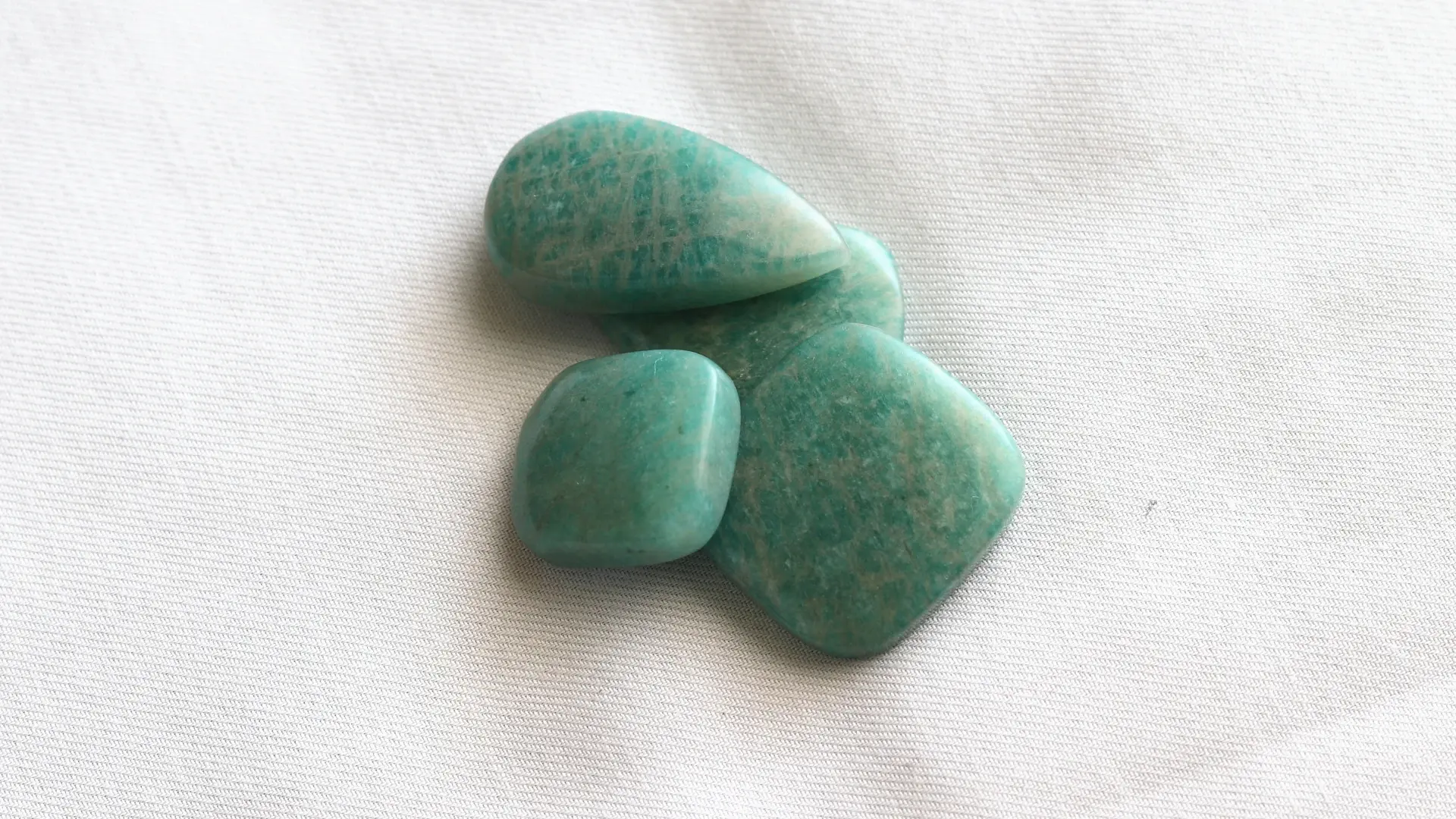
Amazonite
A turquoise-green variety of the feldspar microcline. Despite the name, it does not come from the Amazon.
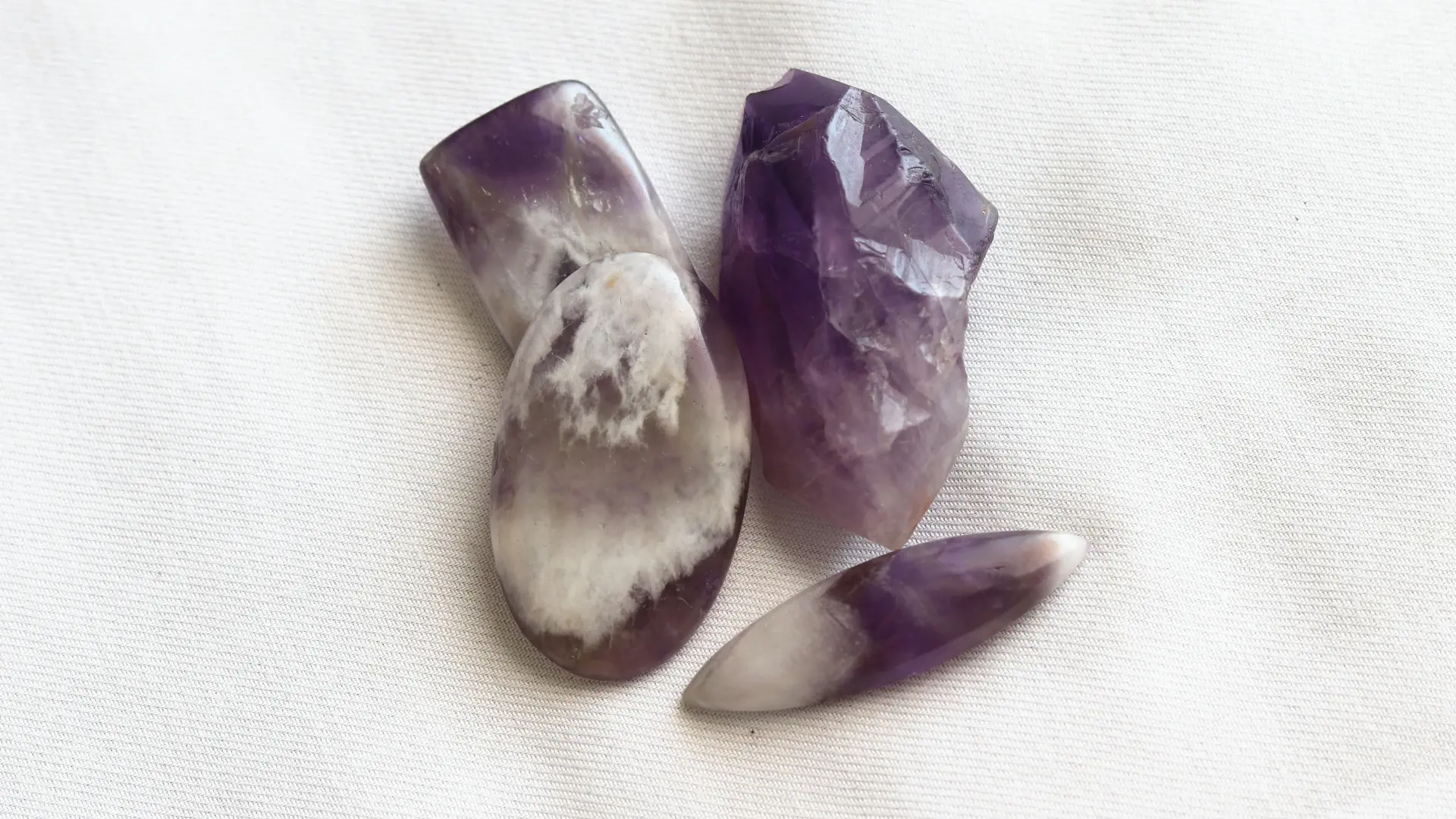
Amethyst
Purple quartz whose Greek name means "not drunk". By the common identification, one of the breastplate stones, and one of the best-loved stones in the world.
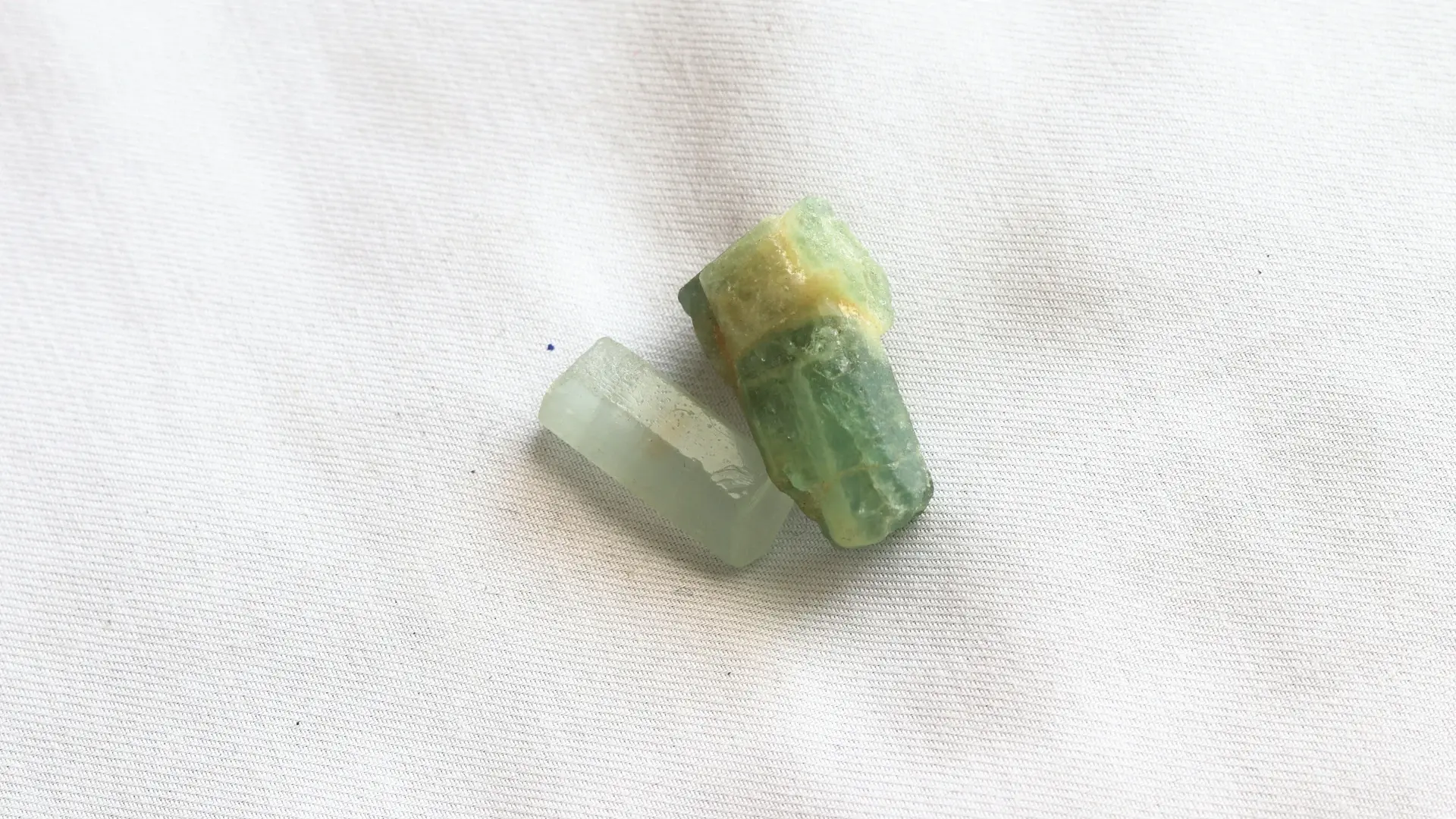
Aquamarine
The blue-green variety of beryl, a close relative of emerald. Its name means "seawater".
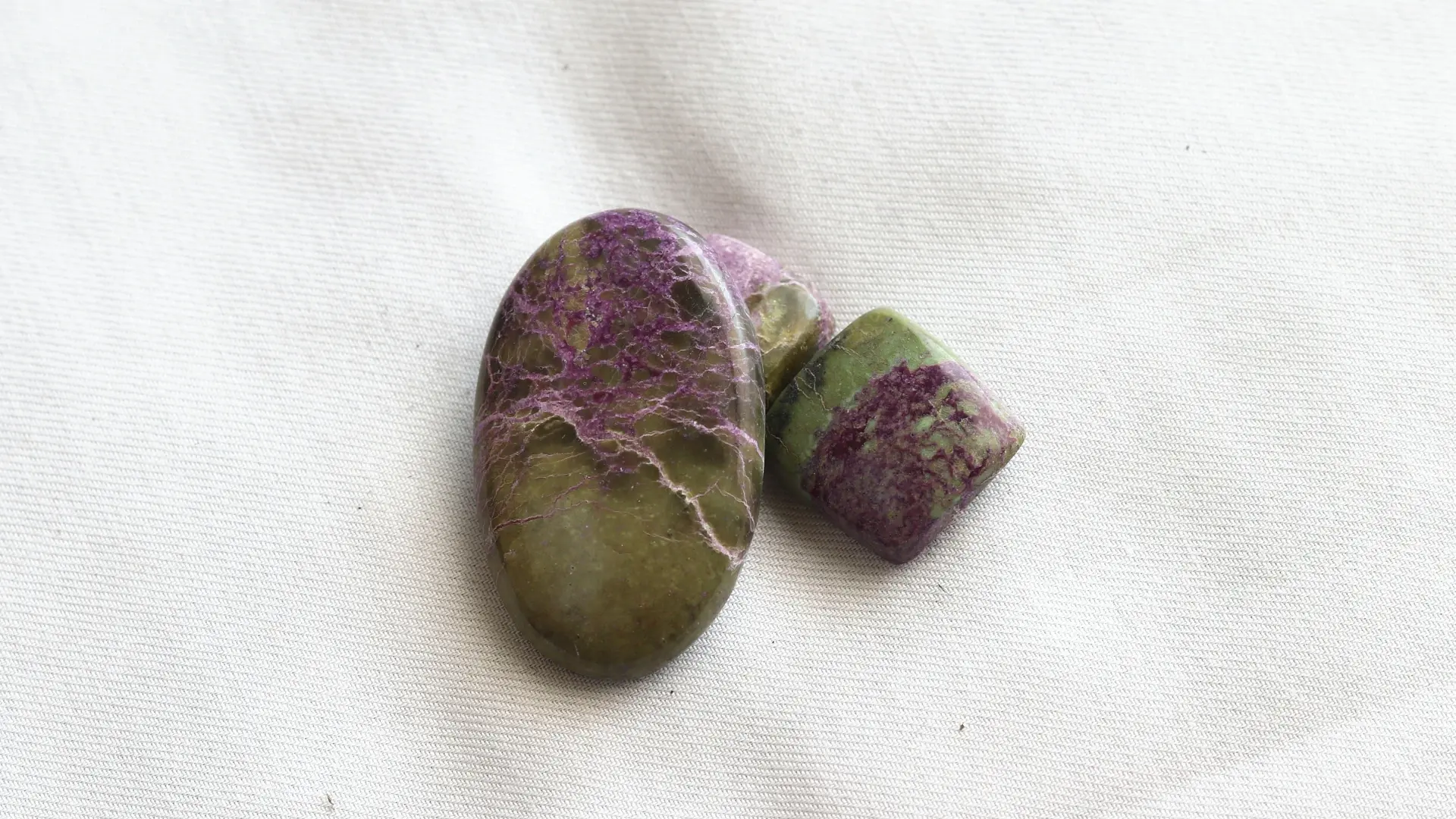
Atlantisite
A natural mix of green serpentine and purple stichtite, from a single hill in Tasmania.