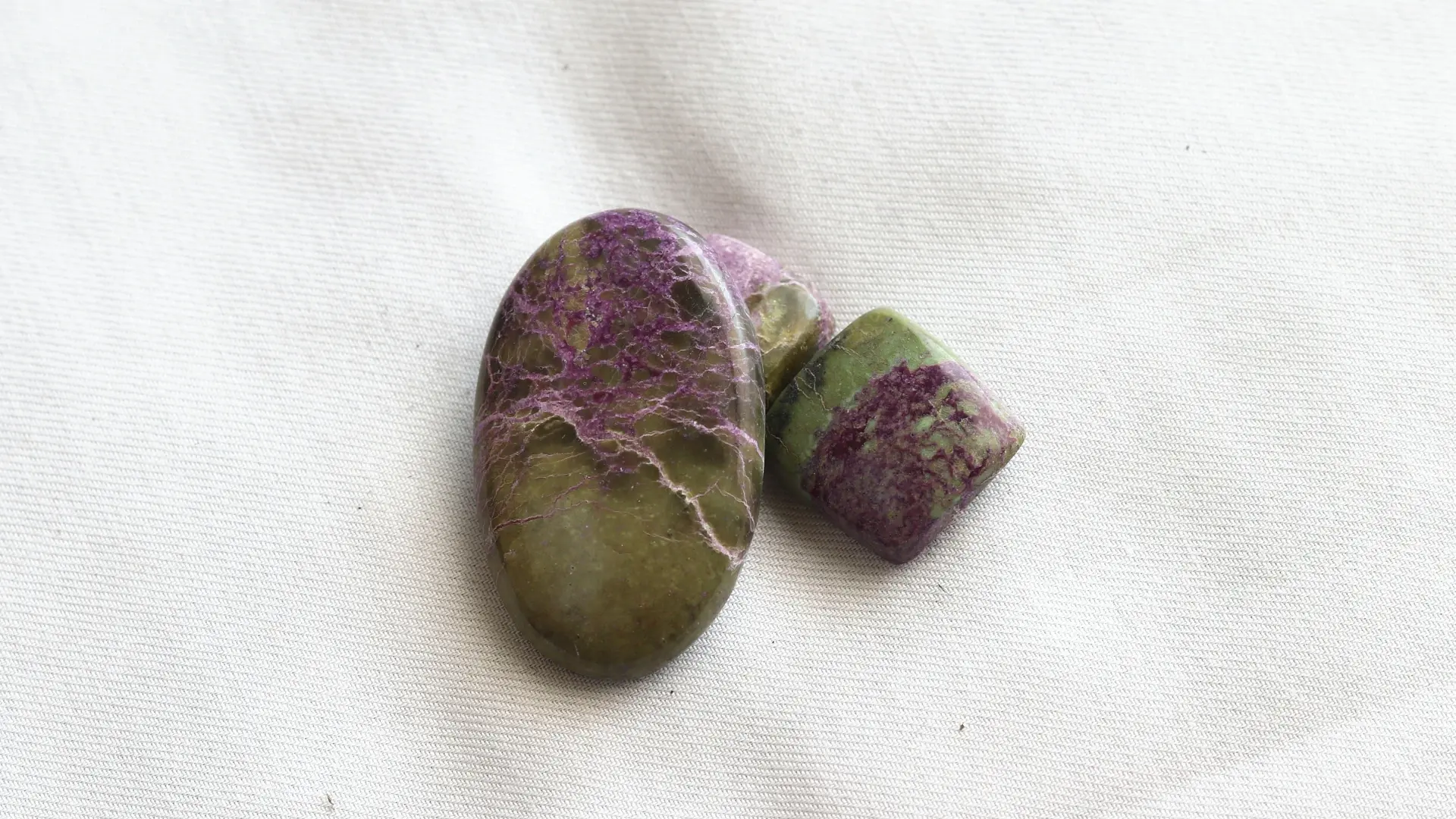
Atlantisite
A natural mix of green serpentine and purple stichtite, from a single hill in Tasmania.
Atlantisite is not a single mineral but a mix of two: green serpentine as the base, and lilac to purple stichtite, which runs through it in patches and veins. According to Crystal Vaults, it also contains a little chromite and magnetite.
Atlantisite is a trade name, not a scientific one. According to Crystal Vaults, it was coined by Gerald Pauley of an Australian company in Melbourne, because the stone reminded him of the legendary Atlantis. What Atlantis thinks of this is unknown.
Stichtite was discovered in 1910 on the west coast of Tasmania and named after Robert Carl Sticht, the manager of the local mine. It is a carbonate mineral containing chromium and magnesium, and it forms as an alteration product of chromite-bearing serpentine.
The main commercial source is Stichtite Hill, near the Dundas Extended Mine east of Zeehan in Tasmania. According to Crystal Vaults, atlantisite is found nowhere else.
The name serpentine comes from the Latin serpentinus, "snake-like", after its greenish color and smooth or scaly look. It forms when olivine-rich rocks are altered by water. Both minerals are fairly soft, and stichtite has a hardness of only 1.5 to 2, so keep the stone away from keys and harder stones.
Crystal traditions
In crystal tradition
Modern crystal websites describe atlantisite as a stone of compassion, peace, empathy and grounding. According to The Crystal Council, it combines "the earthly powers of Serpentine" with the loving energy of stichtite, and links the heart and crown chakras.
Both websites link it to all seven chakras.
Sources: Atlantisite Healing Properties, Meanings, and Uses, Crystal Vaults; Atlantisite Meanings and Crystal Properties, The Crystal Council
Scientific information
Properties
Stichtite: Mg₆Cr₂CO₃(OH)₁₆·4H₂O, a carbonate mineral. Mohs hardness: 1.5 to 2. Crystal system: trigonal. Luster: waxy to resinous.
Serpentine: a group of sheet silicate minerals, X₃Si₂O₅(OH)₄, where X is mostly magnesium or iron. Mohs hardness: 2.5 to 6, depending on the type.
Formation: stichtite forms as an alteration product of chromite-bearing serpentine. Serpentine forms when olivine-rich rocks are altered by water (serpentinization).
Sources: Stichtite, Wikipedia; Serpentine subgroup, Wikipedia
Associations
Different traditions associate this stone with different things, and they sometimes conflict. Each association is shown with its tradition and sources.
Zodiac sign
VirgoCrystal tradition
Sources: Atlantisite Meanings and Crystal Properties, The Crystal Council
Zodiac sign
LibraCrystal tradition
Sources: Atlantisite Meanings and Crystal Properties, The Crystal Council
Element
EarthCrystal tradition
Sources: Atlantisite Meanings and Crystal Properties, The Crystal Council
Chakra
RootCrystal tradition
Sources: Atlantisite Healing Properties, Meanings, and Uses, Crystal Vaults; Atlantisite Meanings and Crystal Properties, The Crystal Council
Chakra
SacralCrystal tradition
Sources: Atlantisite Healing Properties, Meanings, and Uses, Crystal Vaults; Atlantisite Meanings and Crystal Properties, The Crystal Council
Chakra
Solar PlexusCrystal tradition
Sources: Atlantisite Healing Properties, Meanings, and Uses, Crystal Vaults; Atlantisite Meanings and Crystal Properties, The Crystal Council
Chakra
HeartCrystal tradition
Sources: Atlantisite Healing Properties, Meanings, and Uses, Crystal Vaults; Atlantisite Meanings and Crystal Properties, The Crystal Council
Chakra
ThroatCrystal tradition
Sources: Atlantisite Healing Properties, Meanings, and Uses, Crystal Vaults; Atlantisite Meanings and Crystal Properties, The Crystal Council
Chakra
Third EyeCrystal tradition
Sources: Atlantisite Healing Properties, Meanings, and Uses, Crystal Vaults; Atlantisite Meanings and Crystal Properties, The Crystal Council
Chakra
CrownCrystal tradition
Sources: Atlantisite Healing Properties, Meanings, and Uses, Crystal Vaults; Atlantisite Meanings and Crystal Properties, The Crystal Council
Sources
- Stichtite, WikipediaAccessed September 24, 2026
- Serpentine subgroup, WikipediaAccessed September 24, 2026
- סרפנטין, ויקיפדיהAccessed September 24, 2026
- Atlantisite Healing Properties, Meanings, and Uses, Crystal VaultsAccessed September 24, 2026
- Atlantisite Meanings and Crystal Properties, The Crystal CouncilAccessed September 24, 2026
More crystals
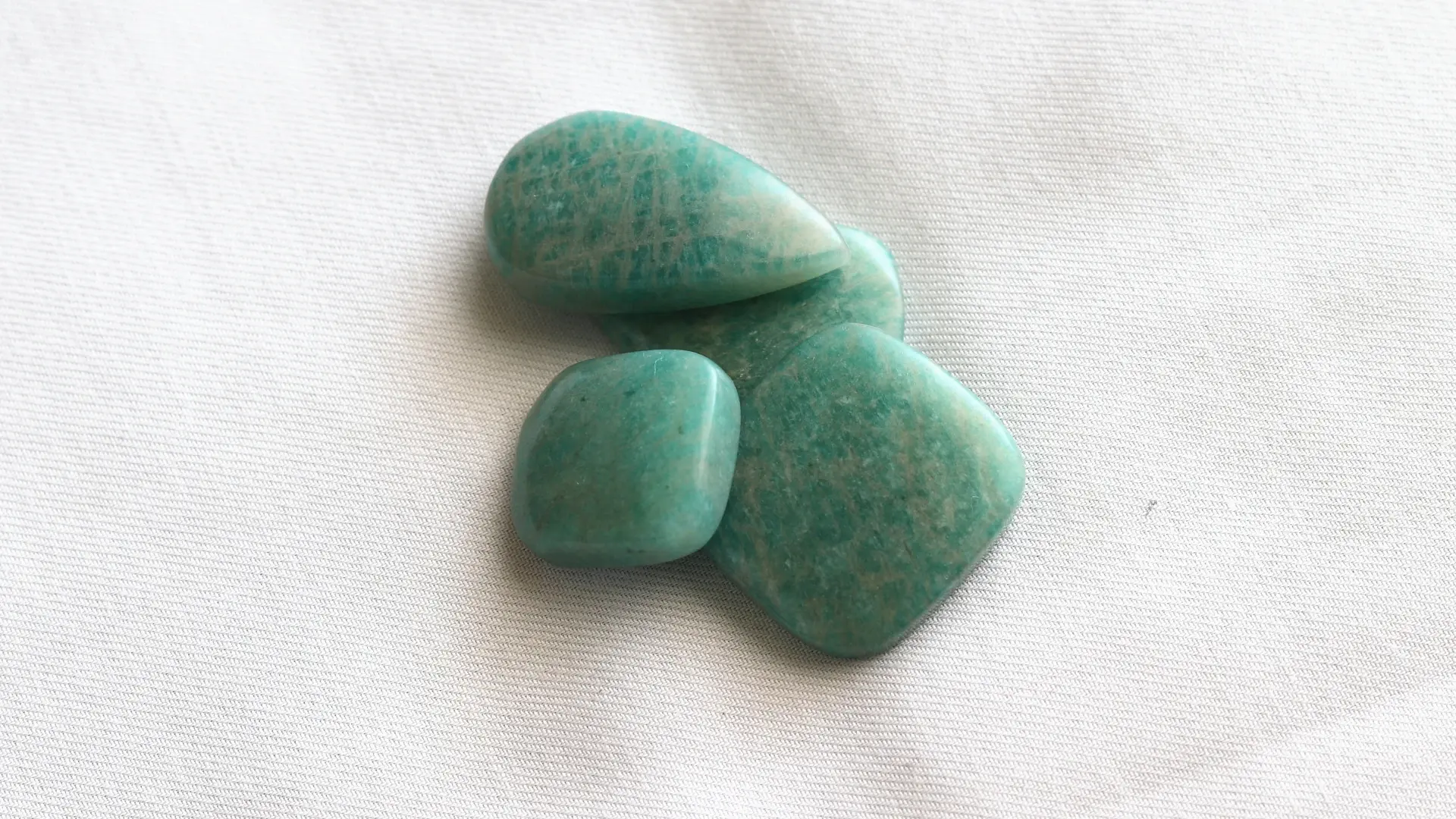
Amazonite
A turquoise-green variety of the feldspar microcline. Despite the name, it does not come from the Amazon.
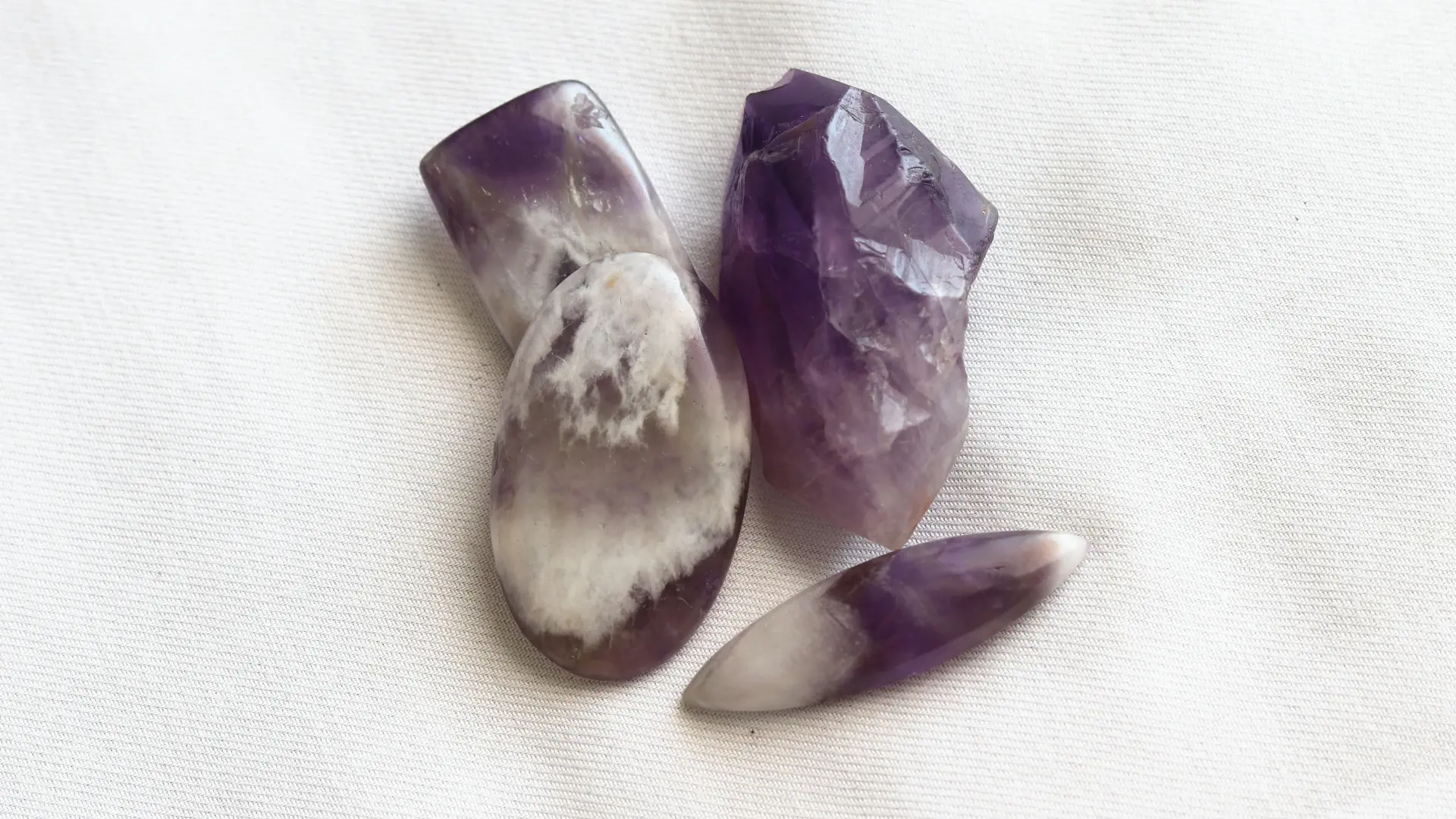
Amethyst
Purple quartz whose Greek name means "not drunk". By the common identification, one of the breastplate stones, and one of the best-loved stones in the world.
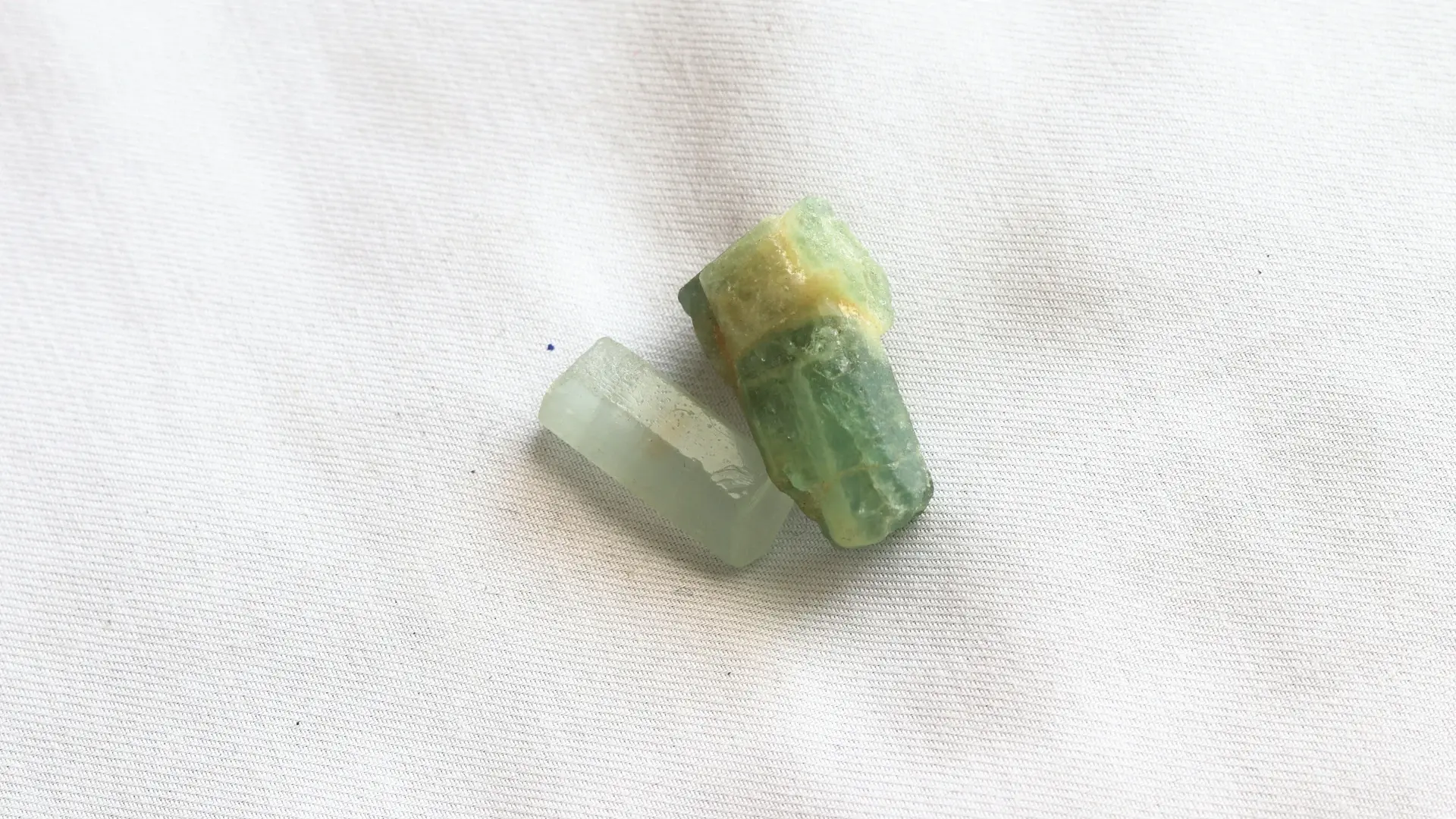
Aquamarine
The blue-green variety of beryl, a close relative of emerald. Its name means "seawater".
Banded Agate
Chalcedony in colored layers, formed inside rock cavities. How exactly the bands form is still an open question.