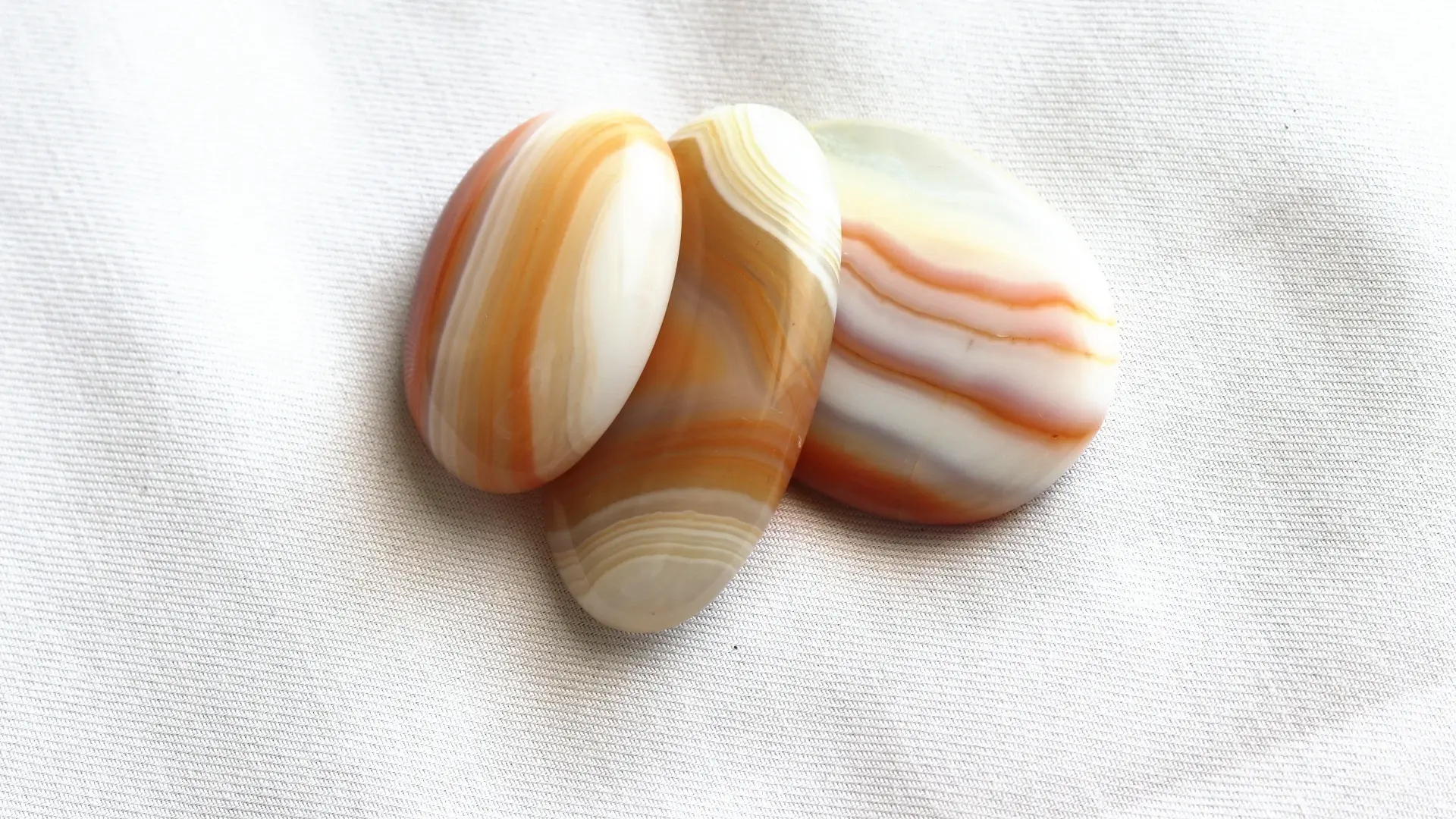
Banded Agate
Chalcedony in colored layers, formed inside rock cavities. How exactly the bands form is still an open question.
Agate is a banded variety of chalcedony, a form of silica (SiO₂) made of quartz crystals too small to see. In banded agate the layers form stripes or rings, in shades of white, cream, orange and brown.
Agate forms in cavities inside rock. Silica-rich water seeps into the cavity and deposits layer after layer, along the walls or from the floor up. Changes in the water's makeup over time create the bands, and various impurities give them their colors.
Even so, exactly what happens in there is still largely a mystery: no one has ever managed to reproduce agate banding in a lab. Some things only nature can do, with the patience of millions of years.
The name comes from the Achates River in Sicily, where agates were found in ancient times. The Greek philosopher Theophrastus wrote about them around 350 BCE, although the river was probably named after the stone rather than the other way around. The Sumerians, Egyptians and Romans used agate for jewelry and decorative objects.
Agate is slightly porous, which makes it easy to dye. Most of the brightly colored agates on the market have been dyed, a practice that developed in 19th-century Germany. Agate in natural colors has a more understated look.
Crystal traditions
In crystal tradition
Crystal Vaults calls agate "the earth rainbow", and modern crystal websites describe it as a stone of stability, balance and composure.
According to Healing Crystals, the chakra and zodiac sign linked to agate depend on its color.
Sources: Agate Healing Properties, Meanings, and Uses, Crystal Vaults; Agate: Meaning, Uses & Properties, Healing Crystals
Scientific information
Properties
Chemistry: silica (SiO₂), mostly microcrystalline quartz with some moganite.
Mohs hardness: 6.5 to 7.
Specific gravity: 2.60 to 2.64.
Formation: layers of silica deposited by groundwater in rock cavities.
Treatments: dyeing is very common.
Sources: Agate, Wikipedia; Agate Gemstones | Beads, Jewelry, Tumbled Stones, Geology.com
Jewish sources
Shevo in the High Priest's breastplate
DisputedSources or traditions disagree on this.
Shevo is the second stone in the third row of the High Priest's breastplate (Exodus 28:19; 39:12).
According to Wikipedia, the name shevo probably derives from the Akkadian šubû, meaning agate, and the Septuagint calls the stone achates, a banded agate. Still, matching the breastplate stones to stones known today is disputed.
The sources disagree on which tribe was engraved on the shevo: according to Bamidbar Rabbah (2:7) it was Gad, and according to Targum Jonathan (on Exodus 28:19) it was Asher. Bamidbar Rabbah describes Gad's flag as "neither white nor black, but a mix of black and white".
Sources: Exodus 28:17–20; Exodus 39:10–13; Priestly breastplate, Wikipedia; אגט, ויקיפדיה; Bamidbar Rabbah 2:7; Targum Jonathan on Exodus 28:19
Associations
Different traditions associate this stone with different things, and they sometimes conflict. Each association is shown with its tradition and sources.
Zodiac sign
GeminiCrystal tradition
Sources: Agate Healing Properties, Meanings, and Uses, Crystal Vaults
Tribe
GadRabbinic literature
DisputedSources or traditions disagree on this.
According to Bamidbar Rabbah, the shevo is Gad's stone. Targum Jonathan assigns it to Asher, and identifying the shevo with agate is uncertain.
Sources: Bamidbar Rabbah 2:7
Tribe
AsherRabbinic literature
DisputedSources or traditions disagree on this.
According to Targum Jonathan, the shevo is Asher's stone. Bamidbar Rabbah assigns it to Gad, and identifying the shevo with agate is uncertain.
Sources: Targum Jonathan on Exodus 28:19
Sources
- Agate, WikipediaAccessed September 24, 2026
- אגט, ויקיפדיהAccessed September 24, 2026
- Agate Gemstones | Beads, Jewelry, Tumbled Stones, Geology.comAccessed September 24, 2026
- Priestly breastplate, WikipediaAccessed September 24, 2026
- Exodus 28:17–20
- Exodus 39:10–13
- Agate Healing Properties, Meanings, and Uses, Crystal VaultsAccessed September 24, 2026
- Agate: Meaning, Uses & Properties, Healing CrystalsAccessed September 24, 2026
- Bamidbar Rabbah 2:7
- Targum Jonathan on Exodus 28:19
More crystals
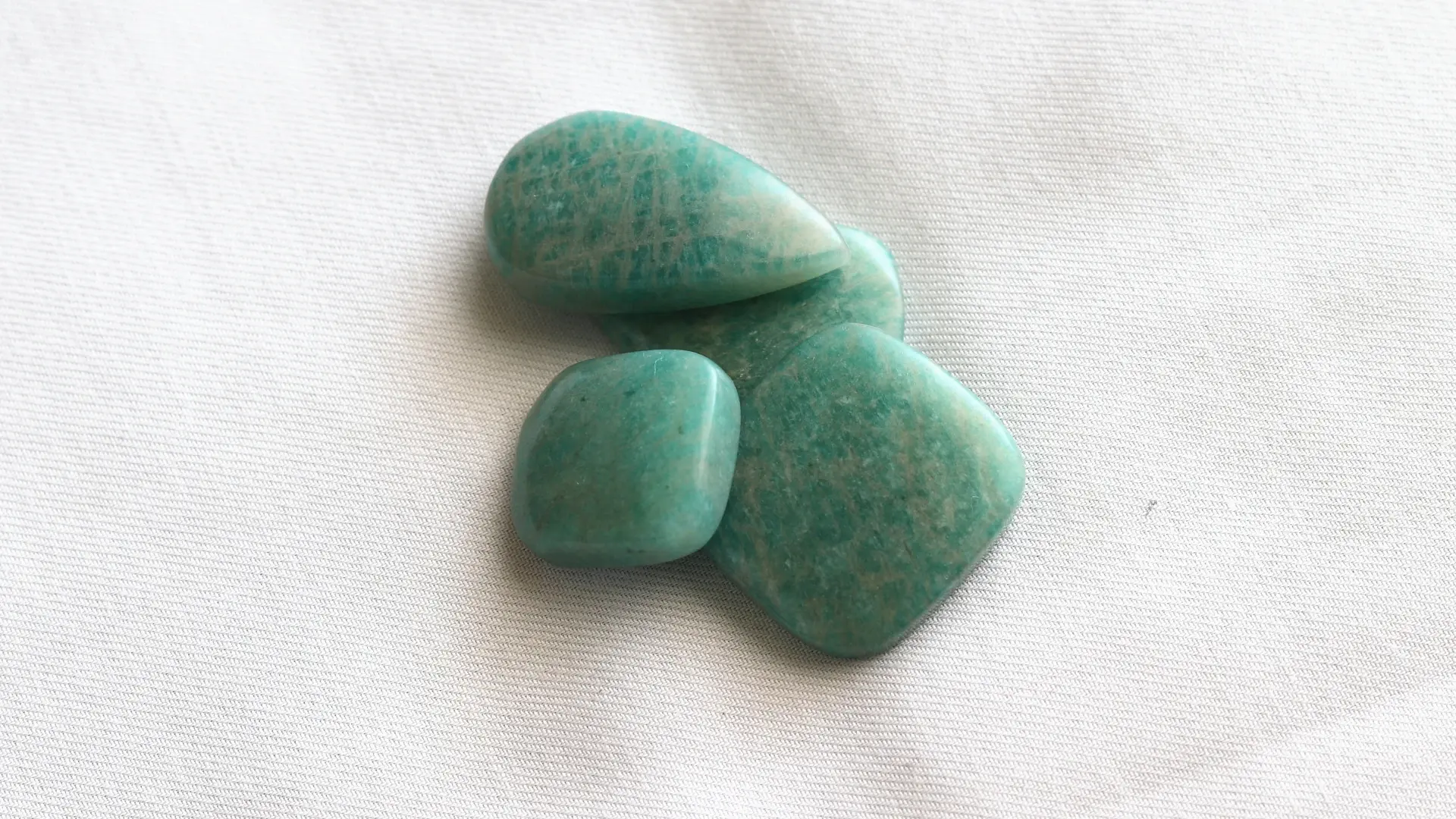
Amazonite
A turquoise-green variety of the feldspar microcline. Despite the name, it does not come from the Amazon.
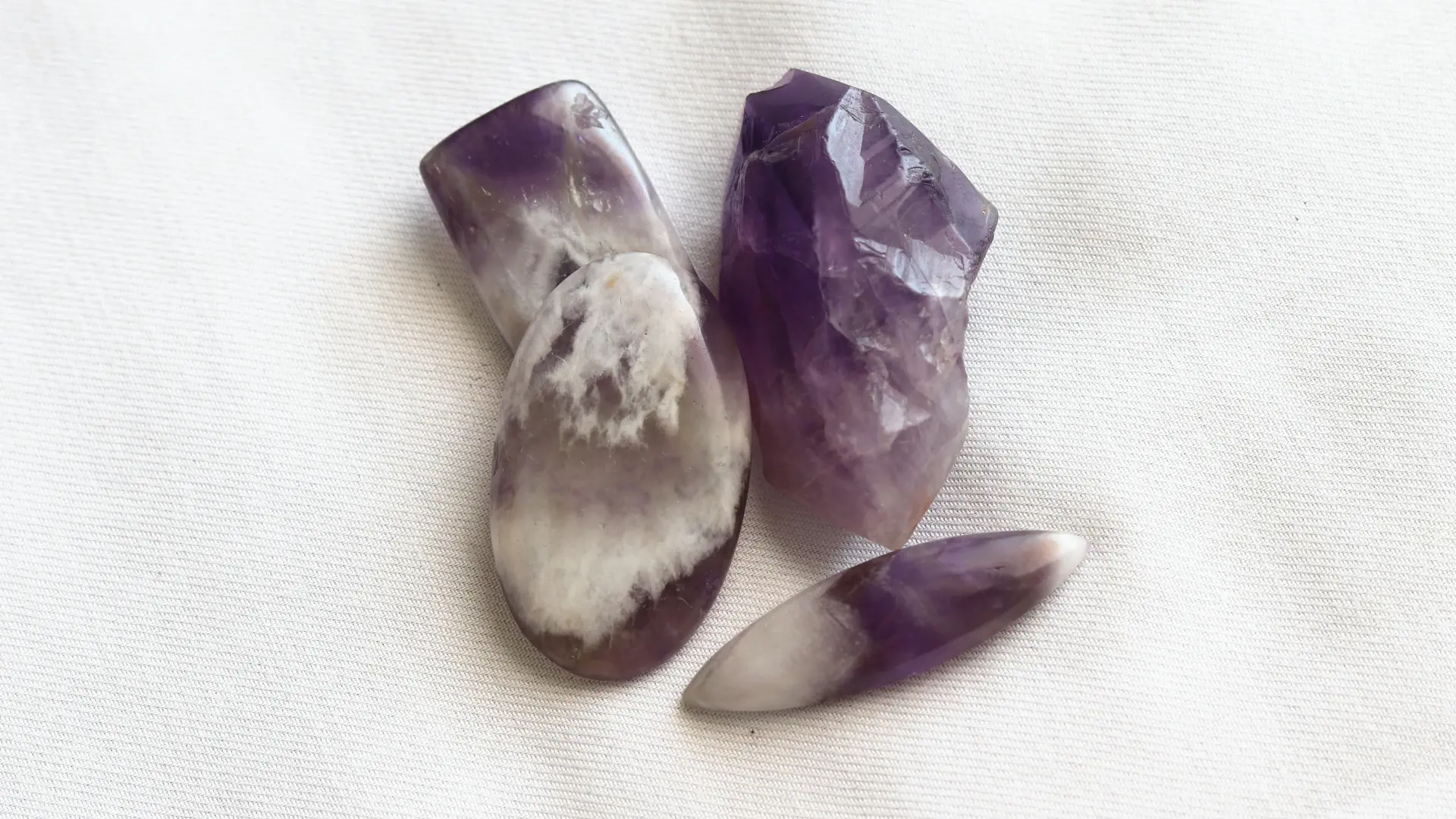
Amethyst
Purple quartz whose Greek name means "not drunk". By the common identification, one of the breastplate stones, and one of the best-loved stones in the world.
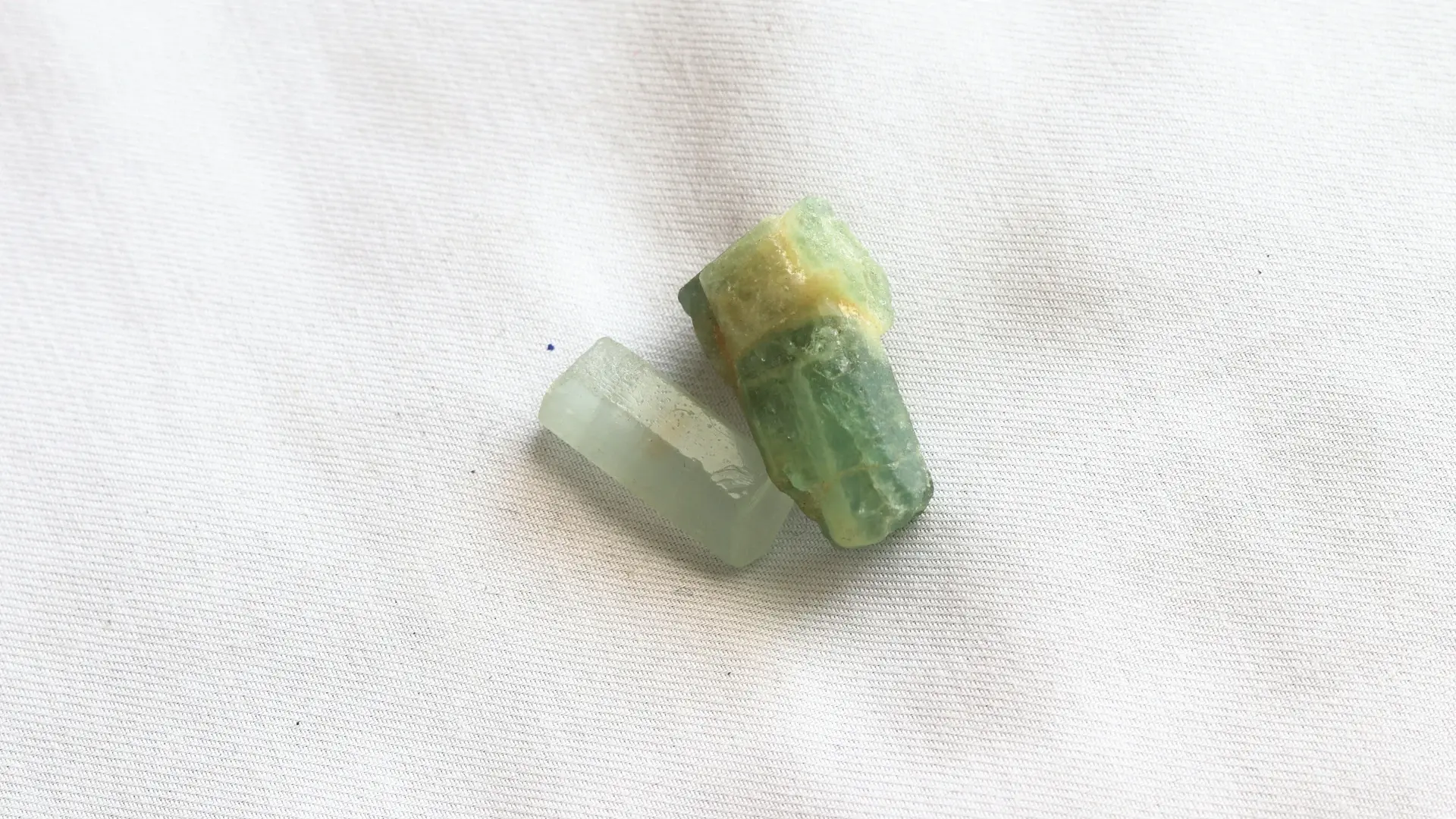
Aquamarine
The blue-green variety of beryl, a close relative of emerald. Its name means "seawater".
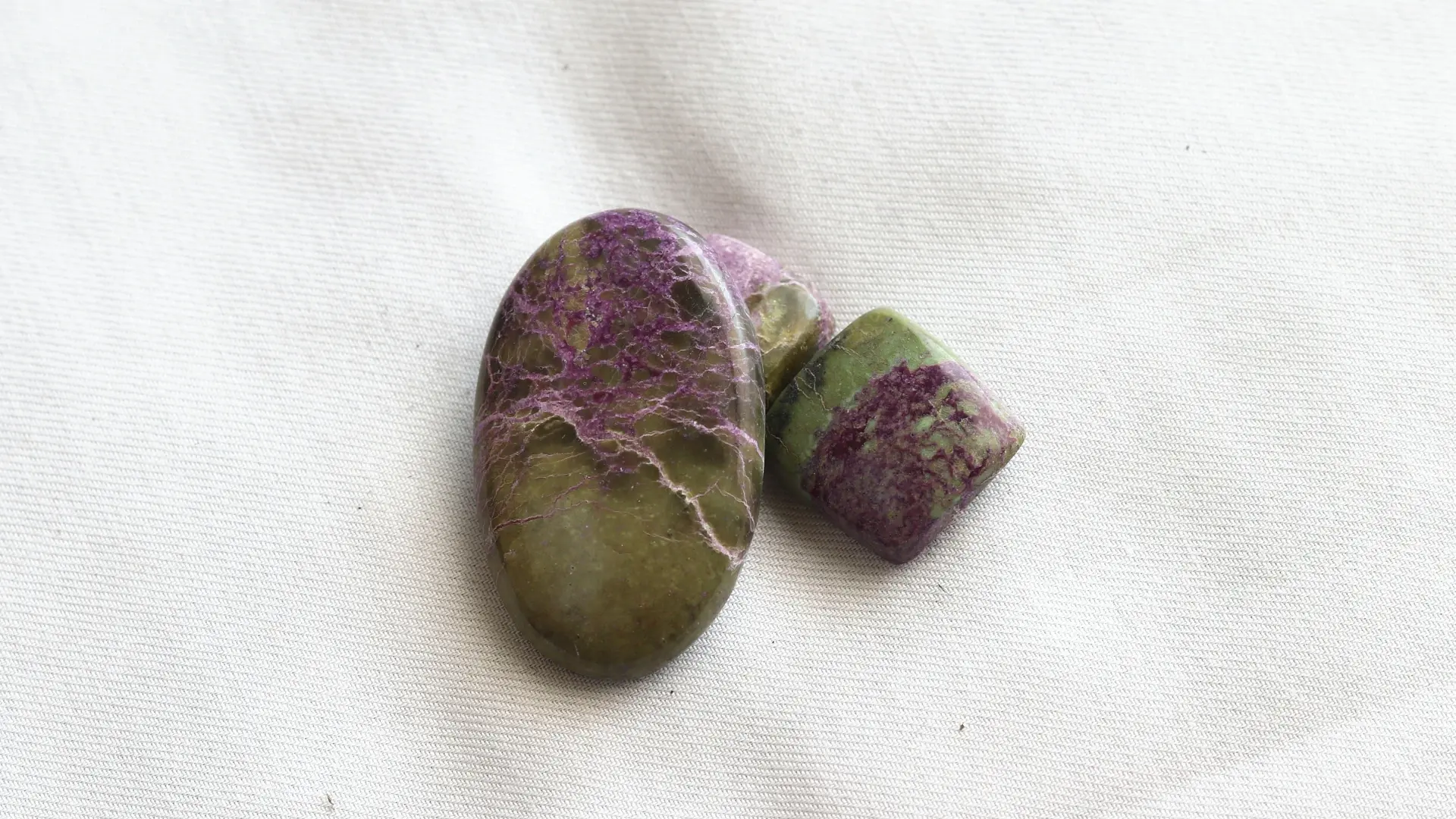
Atlantisite
A natural mix of green serpentine and purple stichtite, from a single hill in Tasmania.