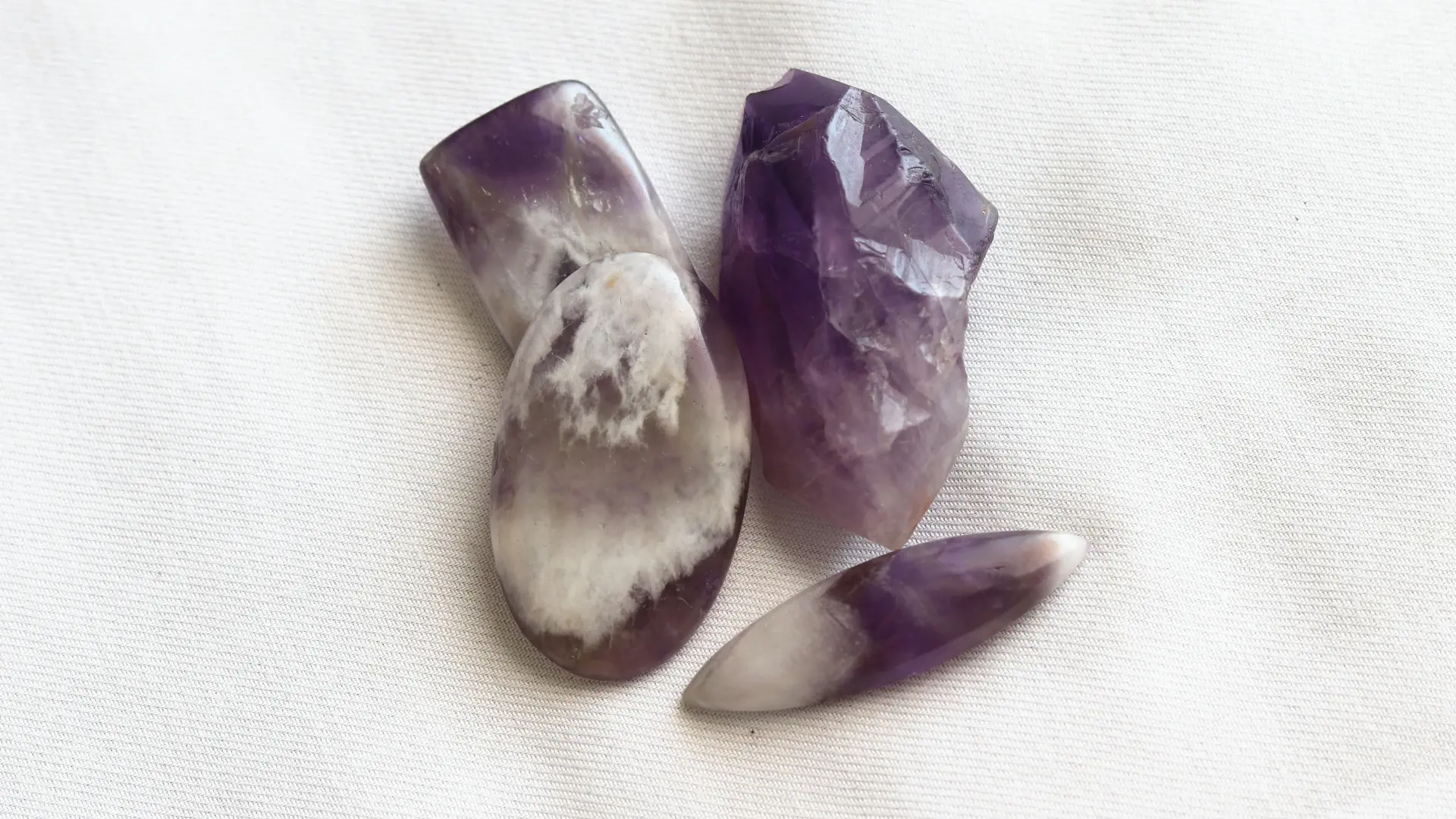
Amethyst
Purple quartz whose Greek name means "not drunk". By the common identification, one of the breastplate stones, and one of the best-loved stones in the world.
Amethyst is purple quartz: the same mineral as ordinary clear rock crystal, with a small addition of iron. Natural radiation from the surrounding rock turns that iron into a purple color. The shades range from pale lilac to deep purple, and according to GIA it is the most valued variety of quartz.
Some of the stones in the photo show bands of purple and white. According to Geology.com, this is called color zoning: each band marks a different stage in the crystal's growth, under slightly different conditions. When the bands form a V-shaped pattern, the stone is sometimes called "chevron amethyst".
The name comes from the Greek amethystos, "not drunk". The Greeks believed the stone protected against drunkenness, and even carved drinking cups from it. A wine cup made of amethyst sounds like an elegant solution, but you would not want to rely on it.
Until the 19th century amethyst was as expensive as ruby and emerald. Then huge deposits were found in Brazil, and the price dropped. According to GIA, Brazil has amethyst geodes, hollow rocks lined with crystals, so big you can stand in them. Today it is beautiful enough for crown jewels and affordable enough for class rings.
Two more things worth knowing: amethyst can fade if it is exposed to strong light for a long time, and when it is heated it turns yellow. That is how most of the citrine on the market is made, but that is a story for another page.
Crystal traditions
In crystal tradition
Crystal Vaults links amethyst to the third eye and crown chakras and describes it as a stone of spirituality, meditation and creativity that also "bears the logic of temperance and sobriety". According to the site, it is the zodiac stone of Pisces.
The site also tells a legend: Bacchus, the god of wine, angry over an insult, decreed that the first person he met would be devoured by his tigers. That turned out to be a maiden named Amethyst, on her way to the shrine of Diana. The goddess saved her by turning her into clear white crystal, and Bacchus, regretting his cruelty, poured grape juice over the stone, giving it its purple color. According to Wikipedia, this legend was invented by the French poet Rémy Belleau in the 16th century. In other words, it is much younger than the stone.
Sources: Amethyst Healing Properties, Meanings, and Uses, Crystal Vaults; Amethyst, Wikipedia
Scientific information
Properties
Chemistry: silica, SiO₂. A purple variety of quartz.
Mohs hardness: 7. No cleavage; it breaks with a conchoidal fracture.
Specific gravity: 2.66.
Crystal system: trigonal.
Color cause: iron in the crystal, turned purple by natural radiation. The color can fade in strong light, and turns yellow or brown when heated.
Sources: Brazil, Uruguay, Bolivia, Zambia (about 1,000 tons a year), Canada and others.
Sources: Amethyst, GIA; Amethyst: The most popular purple gem, February birthstone, Geology.com; Amethyst, Wikipedia; אחלמה, ויקיפדיה
Jewish sources
Achlamah in the breastplate
DisputedSources or traditions disagree on this.
Achlamah is the third stone in the third row of the High Priest's breastplate (Exodus 28:19; 39:12). The Greek Septuagint translated it amethystos, which is where the common identification with the purple stone comes from. But it is not the only identification: according to Wikipedia, the Hebrew name may come from an Egyptian word for red jasper, and the JPS English translation renders achlamah as crystal.
Targum Onkelos translates achlamah as "ein egla", a calf's eye. Rabbeinu Bahya explains that it is the stone called in his language "cristal", and that its virtue is to strengthen the heart "so it will not grow faint when going to war". He derives its name from a root meaning strength, as in "restore me to health and revive me" (Isaiah 38:16).
There is no agreement on the tribe either. According to Rabbeinu Bahya, Gad's name was engraved on the achlamah. According to Bamidbar Rabbah (2:7), it was Naphtali's stone, and his banner was the color of "clear wine whose redness is not deep". A wine-colored banner for a stone the Greeks thought protected against wine. According to Targum Jonathan (on Exodus 28:19), the third row bore the names of Gad, Asher and Issachar, so the achlamah, the third stone in the row, matches Issachar.
The crystal website Crystal Vaults assigns amethyst to the tribe of Dan. We did not find this in the sources we checked.
Sources: Exodus 28:19; Exodus 39:12; Priestly breastplate, Wikipedia; Targum Onkelos on Exodus 28:19; Rabbeinu Bahya on Exodus 28:15; Bamidbar Rabbah 2:7; Targum Jonathan on Exodus 28:19; Amethyst Healing Properties, Meanings, and Uses, Crystal Vaults
Modern interpretations
Modern customs
Amethyst is the birthstone for February and the gem for the 6th and 17th wedding anniversaries.
According to Wikipedia, Anglican bishops wear an episcopal ring often set with an amethyst, an allusion to the Apostles being described as "not drunk" at Pentecost (Acts 2:15).
Sources: Amethyst, GIA; Amethyst, Wikipedia
Associations
Different traditions associate this stone with different things, and they sometimes conflict. Each association is shown with its tradition and sources.
Zodiac sign
PiscesCrystal tradition
Sources: Amethyst Healing Properties, Meanings, and Uses, Crystal Vaults
Tribe
GadRabbinic literature
DisputedSources or traditions disagree on this.
According to Rabbeinu Bahya, Gad's name was on the achlamah. Rabbeinu Bahya himself identifies the achlamah as crystal, not amethyst.
Sources: Rabbeinu Bahya on Exodus 28:15
Tribe
NaphtaliRabbinic literature
DisputedSources or traditions disagree on this.
According to Bamidbar Rabbah, the achlamah was Naphtali's stone. Identifying the achlamah with amethyst is uncertain.
Sources: Bamidbar Rabbah 2:7
Tribe
IssacharRabbinic literature
DisputedSources or traditions disagree on this.
By the order of the names in the third row in Targum Jonathan. Identifying the achlamah with amethyst is uncertain.
Sources: Targum Jonathan on Exodus 28:19
Chakra
Third EyeCrystal tradition
Sources: Amethyst Healing Properties, Meanings, and Uses, Crystal Vaults
Chakra
CrownCrystal tradition
Sources: Amethyst Healing Properties, Meanings, and Uses, Crystal Vaults
Sources
- Amethyst, GIAAccessed September 24, 2026
- Amethyst: The most popular purple gem, February birthstone, Geology.comAccessed September 24, 2026
- Amethyst, WikipediaAccessed September 24, 2026
- אחלמה, ויקיפדיהAccessed September 24, 2026
- Priestly breastplate, WikipediaAccessed September 24, 2026
- Amethyst Healing Properties, Meanings, and Uses, Crystal VaultsAccessed September 24, 2026
- Exodus 28:19
- Exodus 39:12
- Targum Onkelos on Exodus 28:19
- Rabbeinu Bahya on Exodus 28:15
- Bamidbar Rabbah 2:7
- Targum Jonathan on Exodus 28:19
More crystals
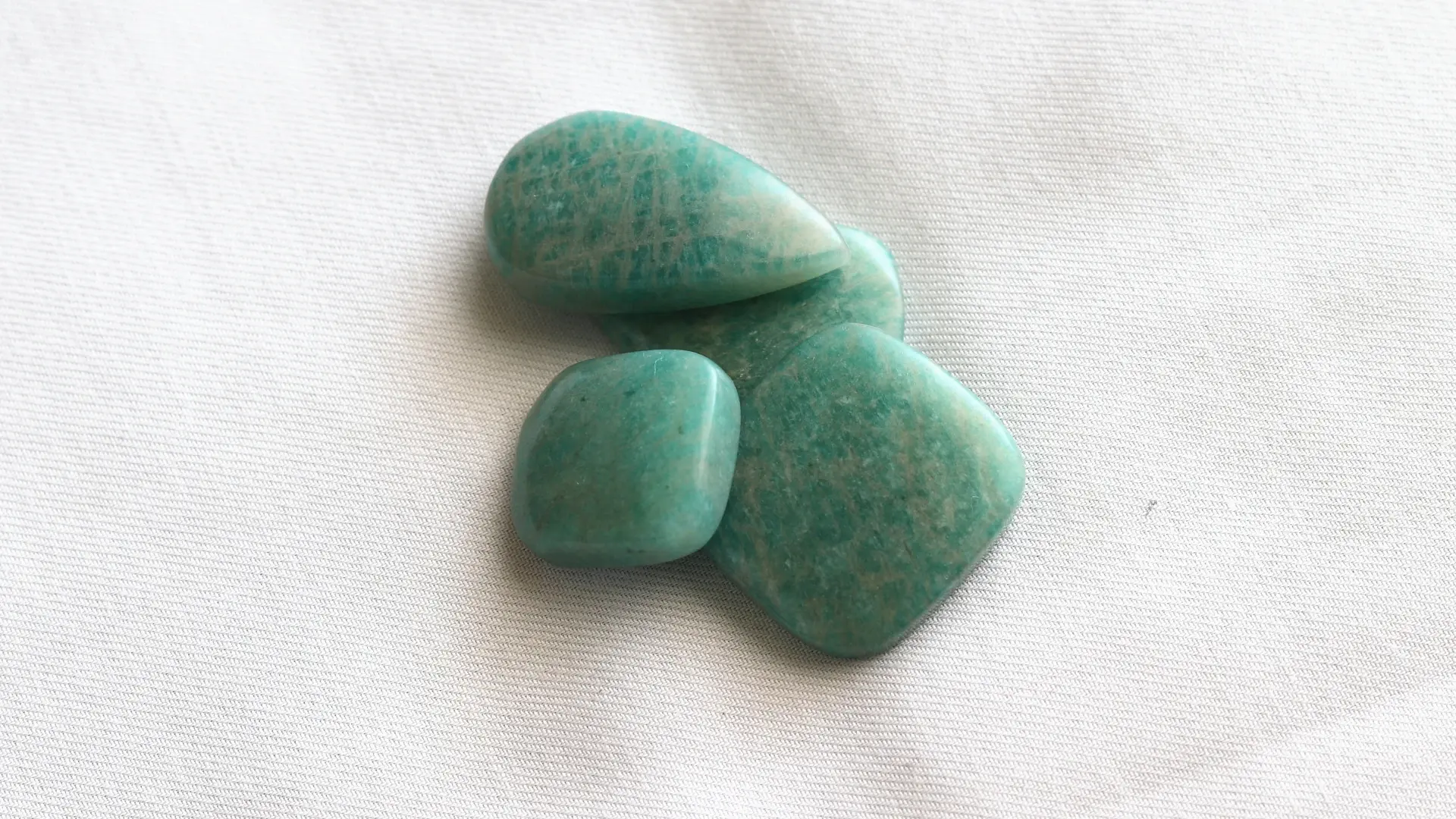
Amazonite
A turquoise-green variety of the feldspar microcline. Despite the name, it does not come from the Amazon.
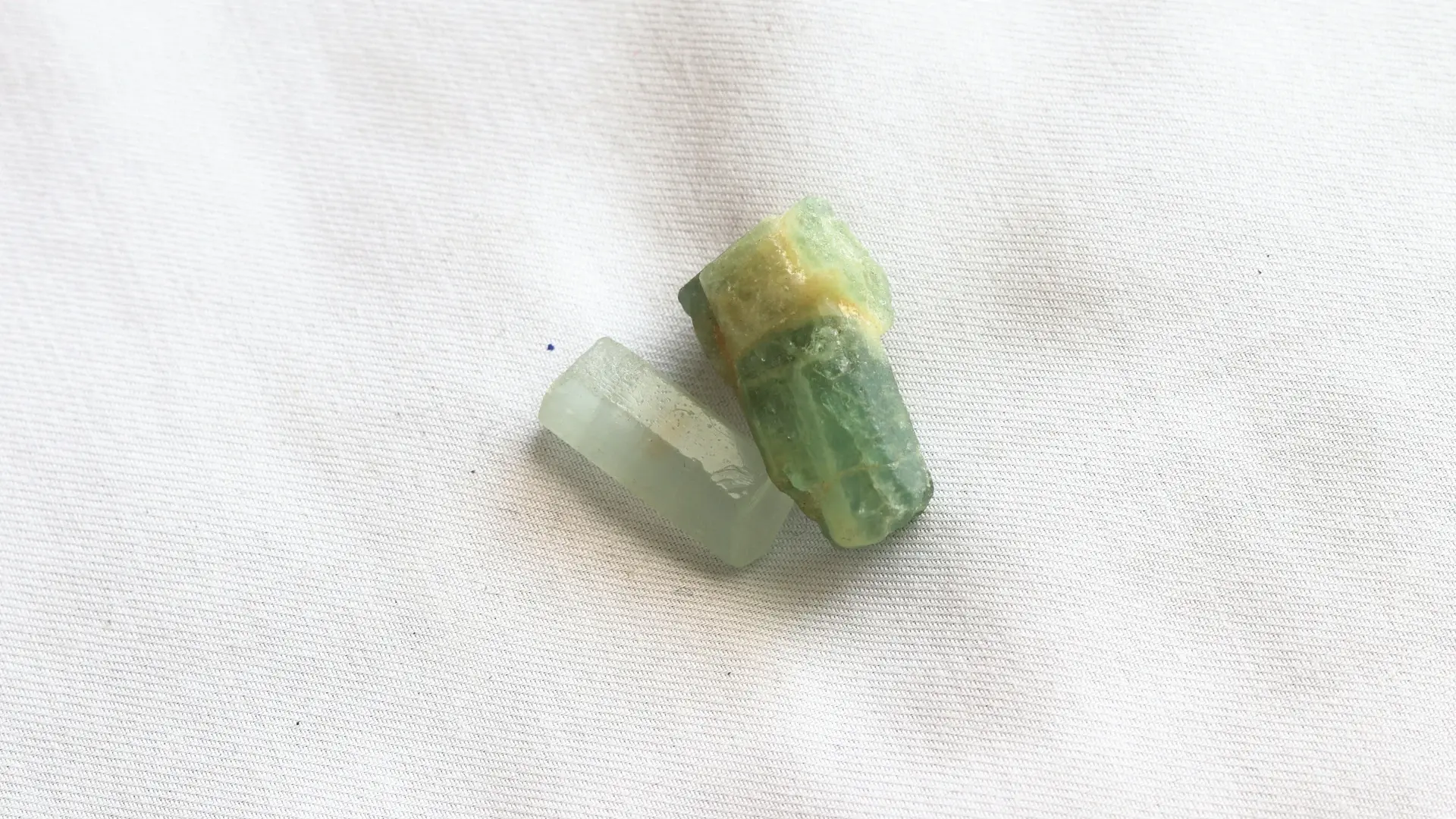
Aquamarine
The blue-green variety of beryl, a close relative of emerald. Its name means "seawater".
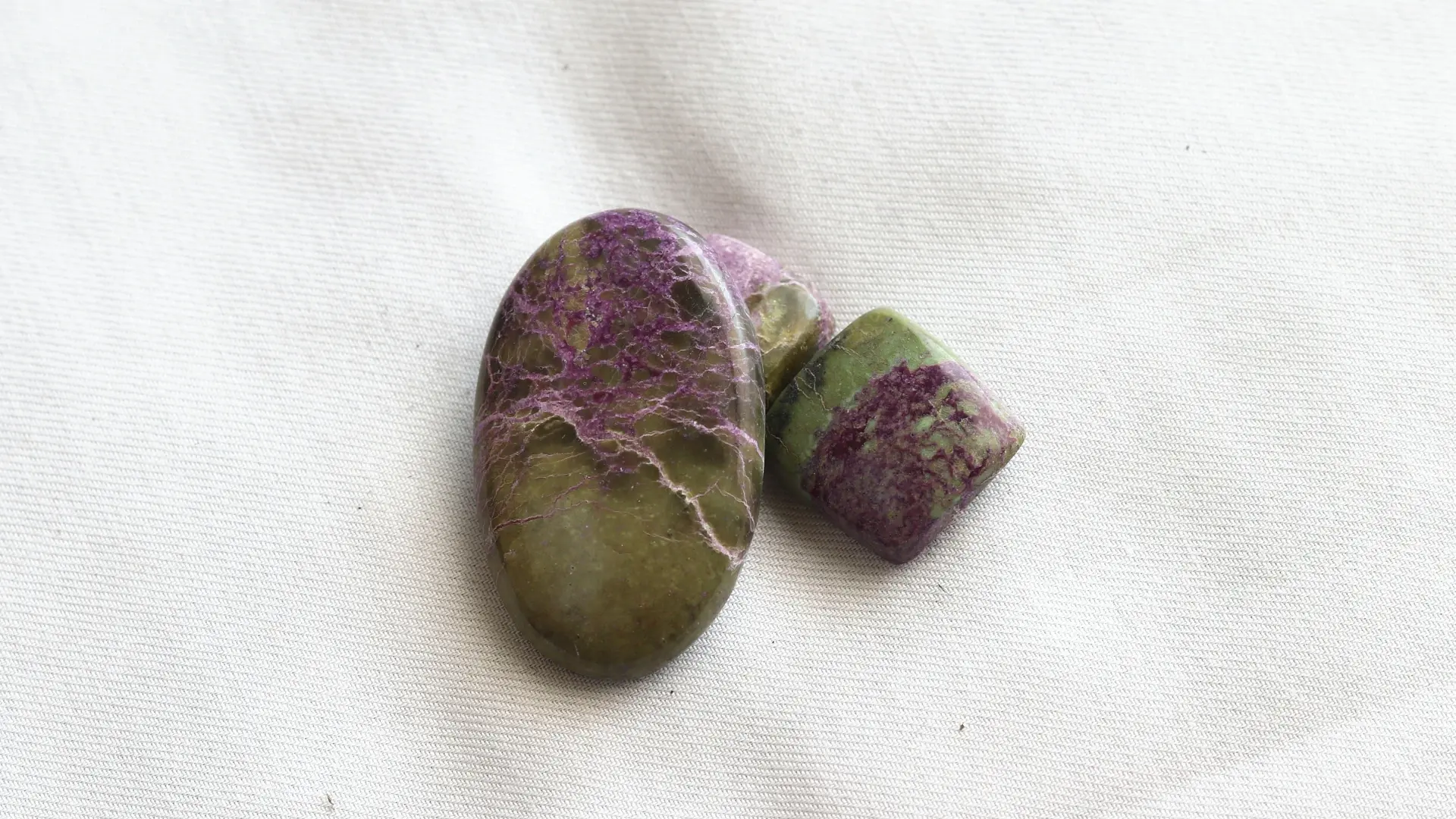
Atlantisite
A natural mix of green serpentine and purple stichtite, from a single hill in Tasmania.
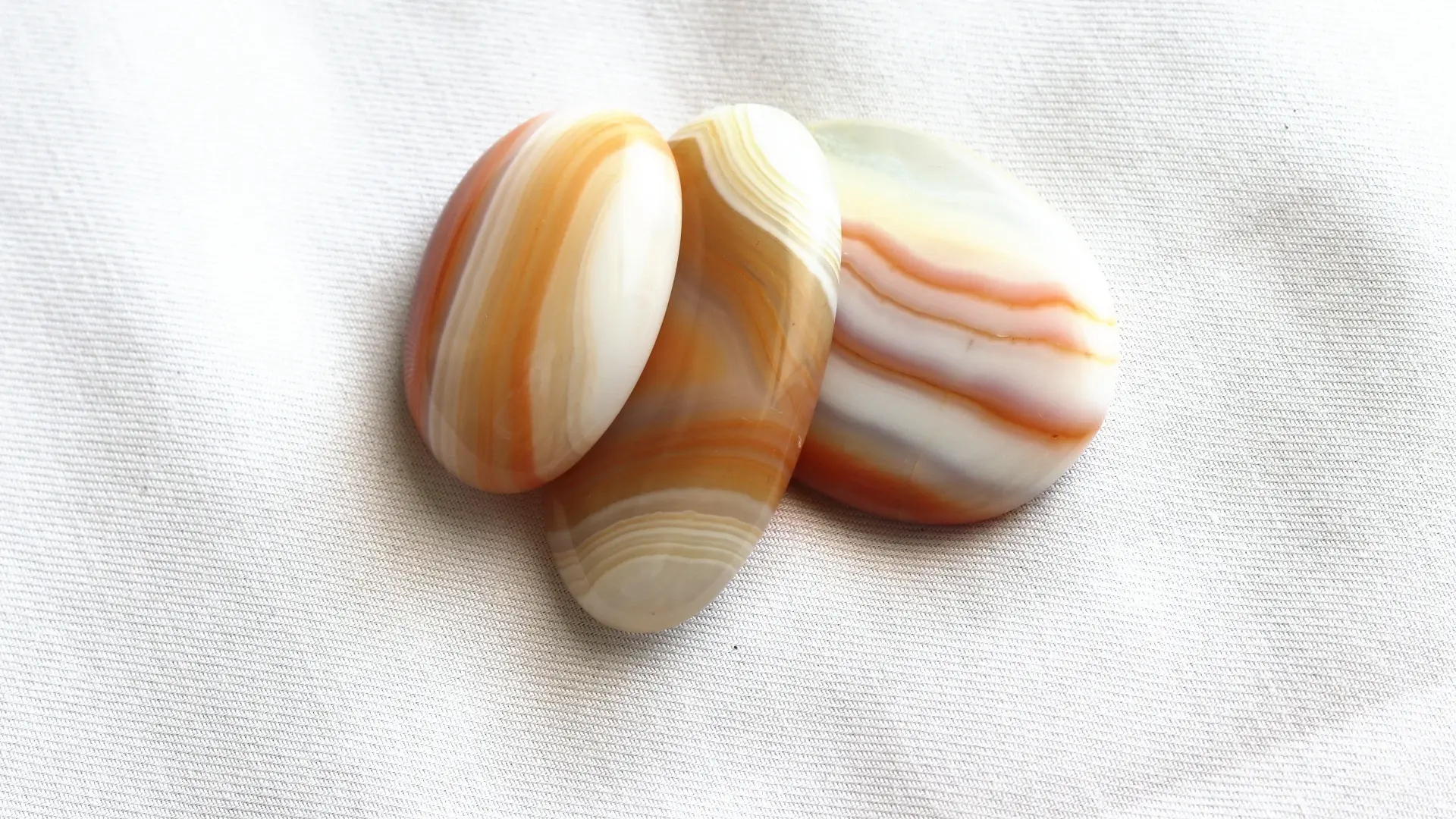
Banded Agate
Chalcedony in colored layers, formed inside rock cavities. How exactly the bands form is still an open question.