
- Science
- Traditions
- Jewish sources
- Kabbalah
One stone, many ways of seeing it
Science, traditions, Jewish sources and Kabbalah. Every claim is labeled by its kind and its source.
One light, four colors
Four ways to see a stone
Each kind of information has its own clearly named section, so they never mix.
Science
Composition, structure and hardness: what can be measured and tested.
Traditions
What crystal traditions attribute to the stone, presented as tradition, not as fact.
Jewish sources
Stones in the Bible, rabbinic literature and the commentators, with an exact reference for every source.
Kabbalah
Kabbalistic interpretations, each with its book and author.
Crystals on the site
Browse all crystals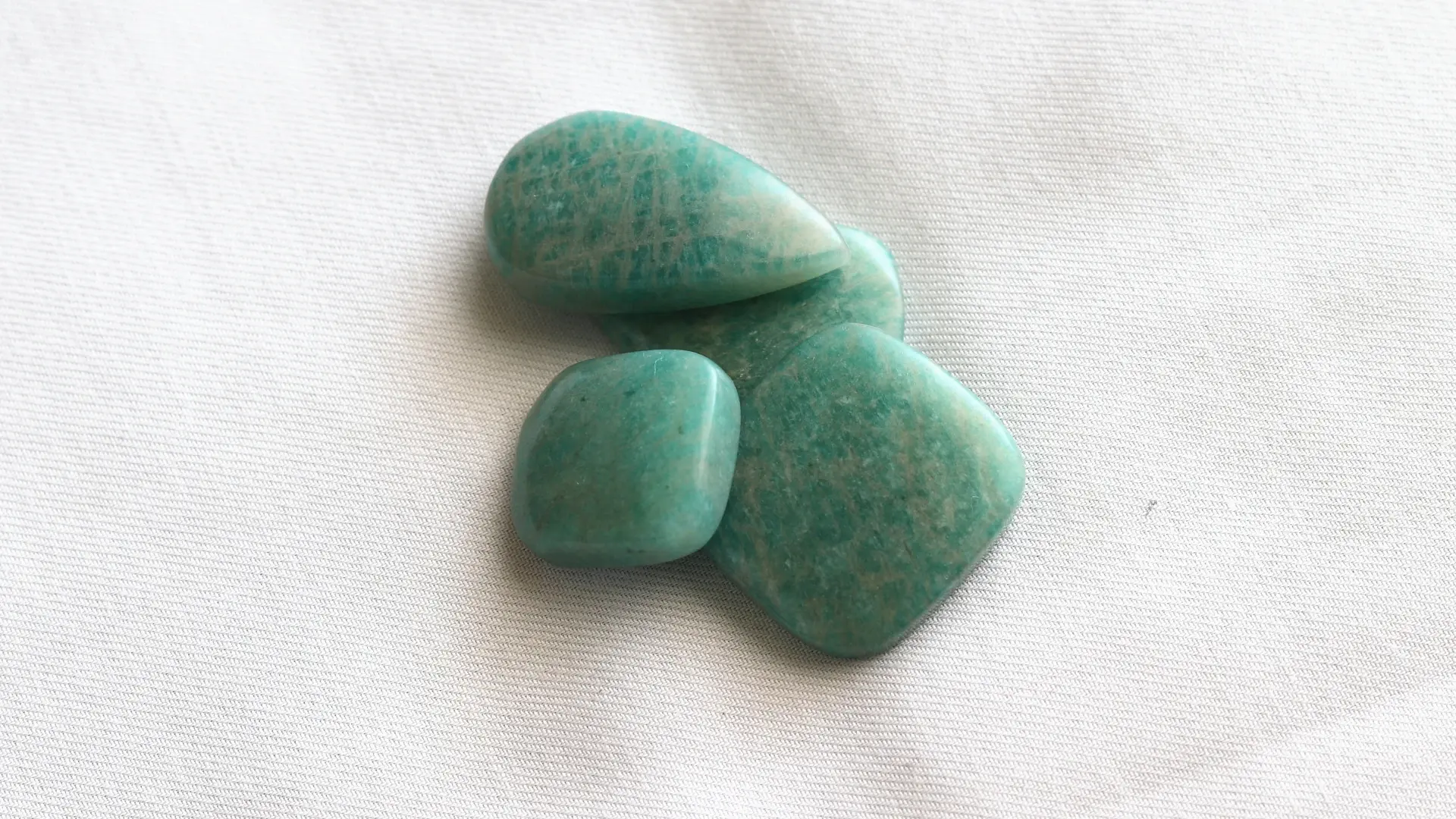
Amazonite
A turquoise-green variety of the feldspar microcline. Despite the name, it does not come from the Amazon.
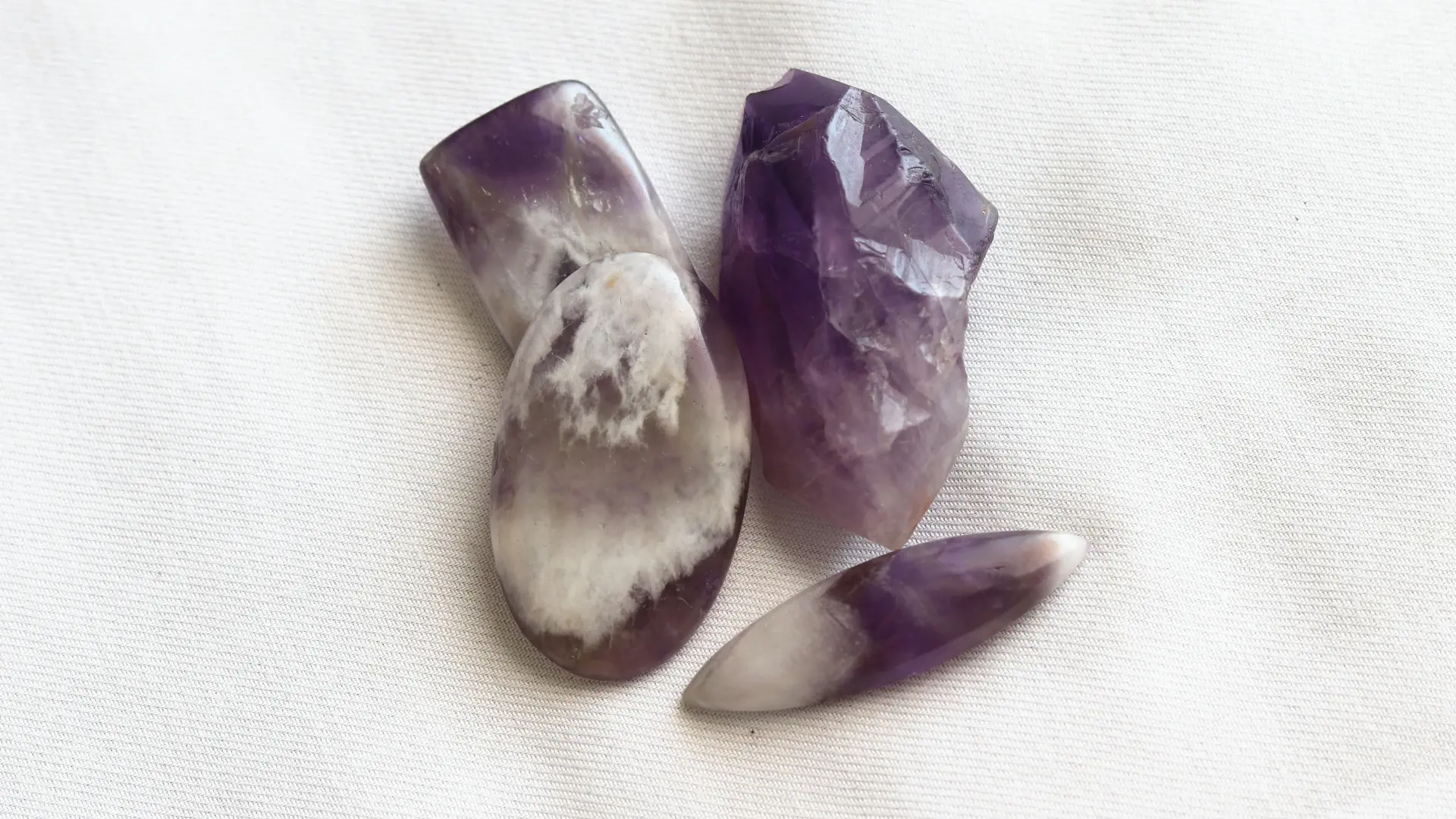
Amethyst
Purple quartz whose Greek name means "not drunk". By the common identification, one of the breastplate stones, and one of the best-loved stones in the world.
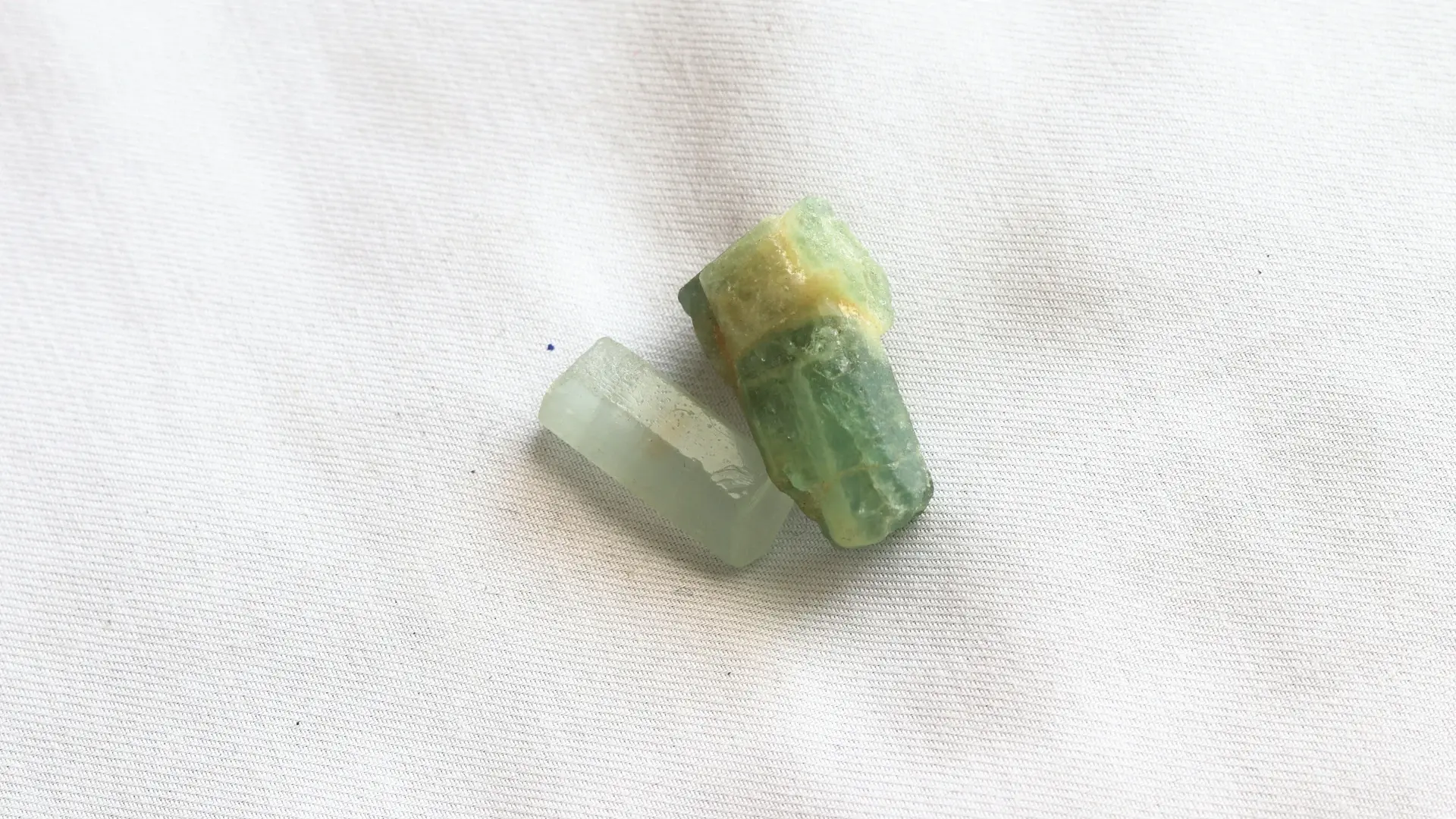
Aquamarine
The blue-green variety of beryl, a close relative of emerald. Its name means "seawater".
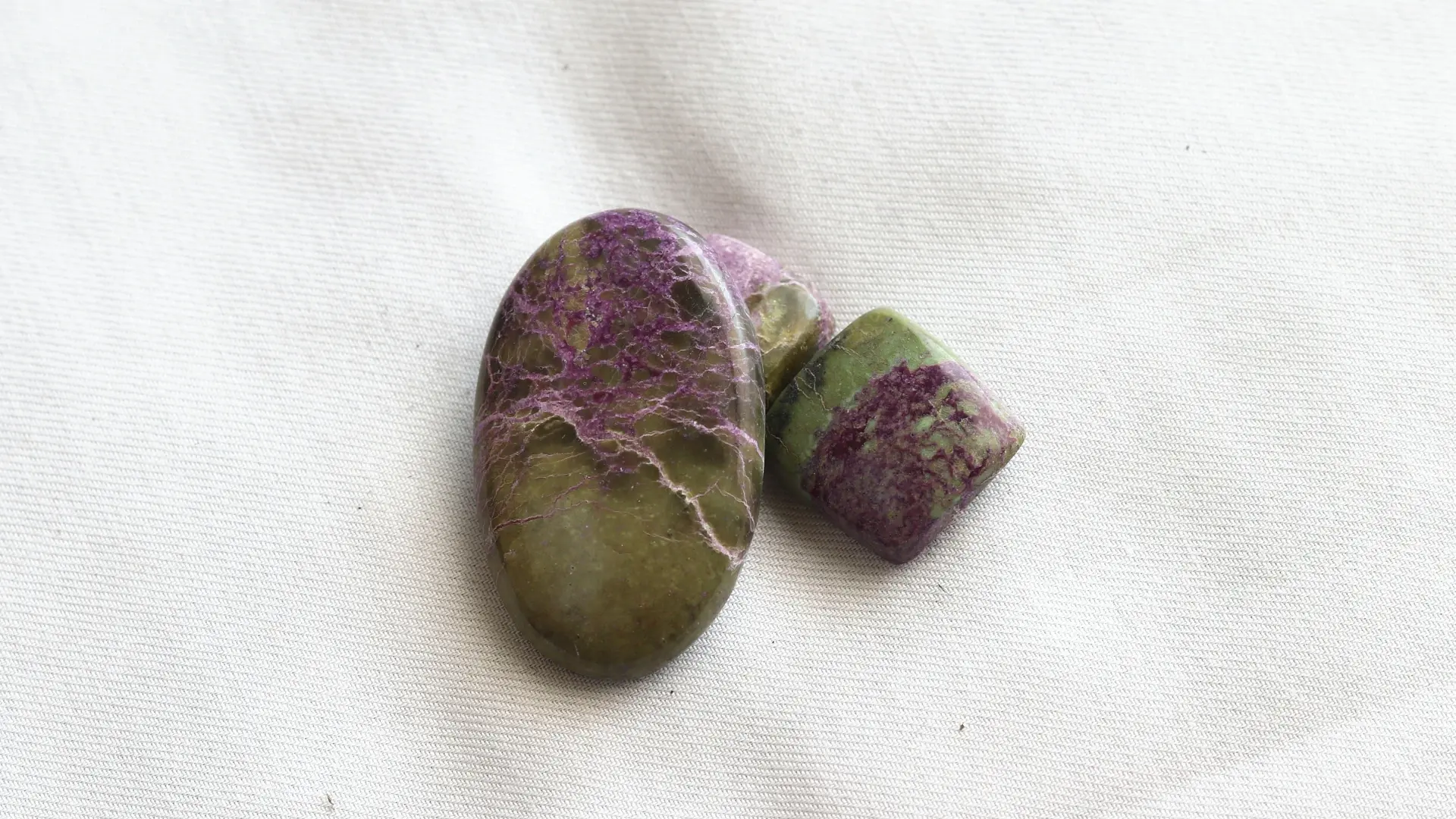
Atlantisite
A natural mix of green serpentine and purple stichtite, from a single hill in Tasmania.
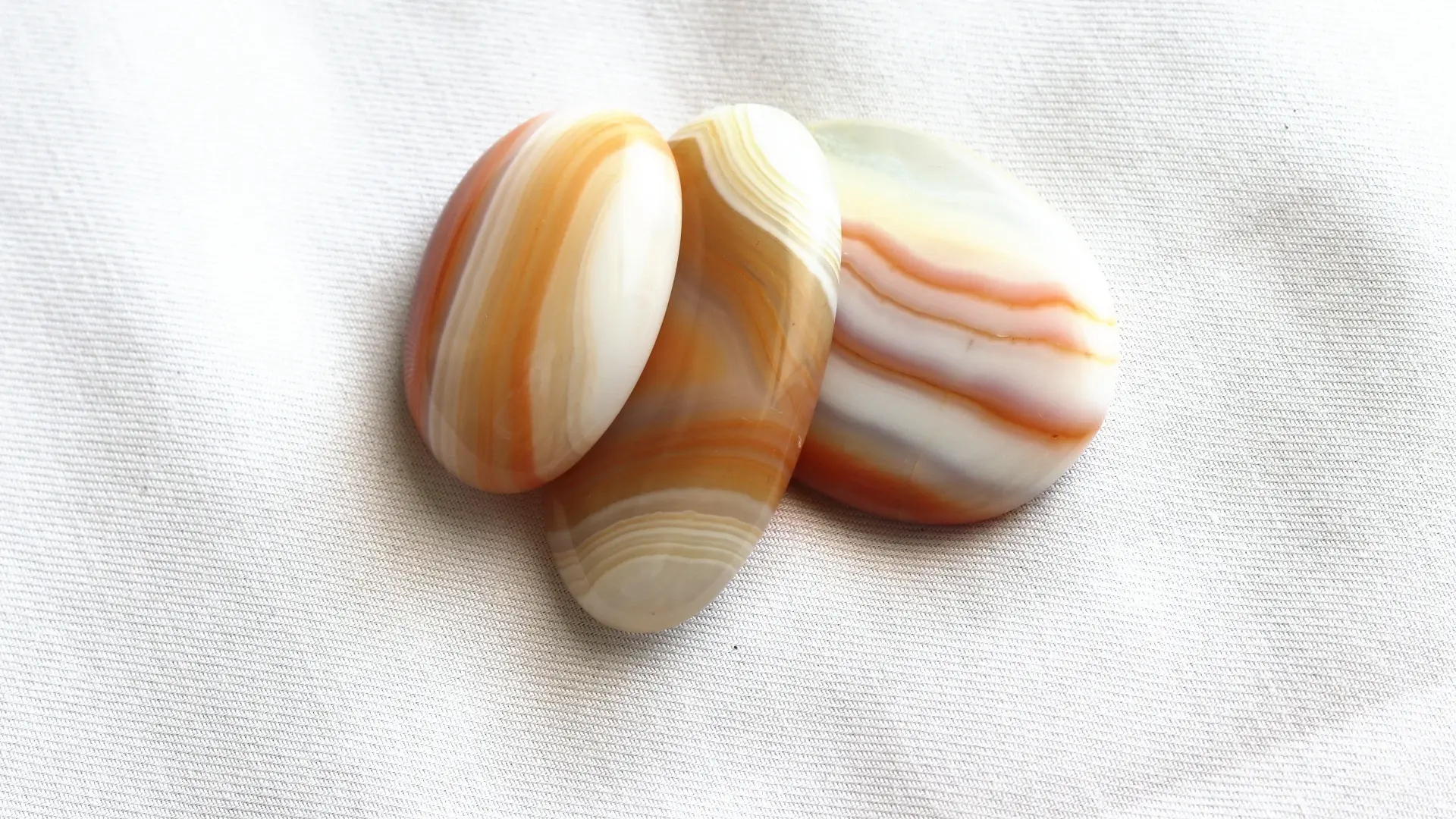
Banded Agate
Chalcedony in colored layers, formed inside rock cavities. How exactly the bands form is still an open question.
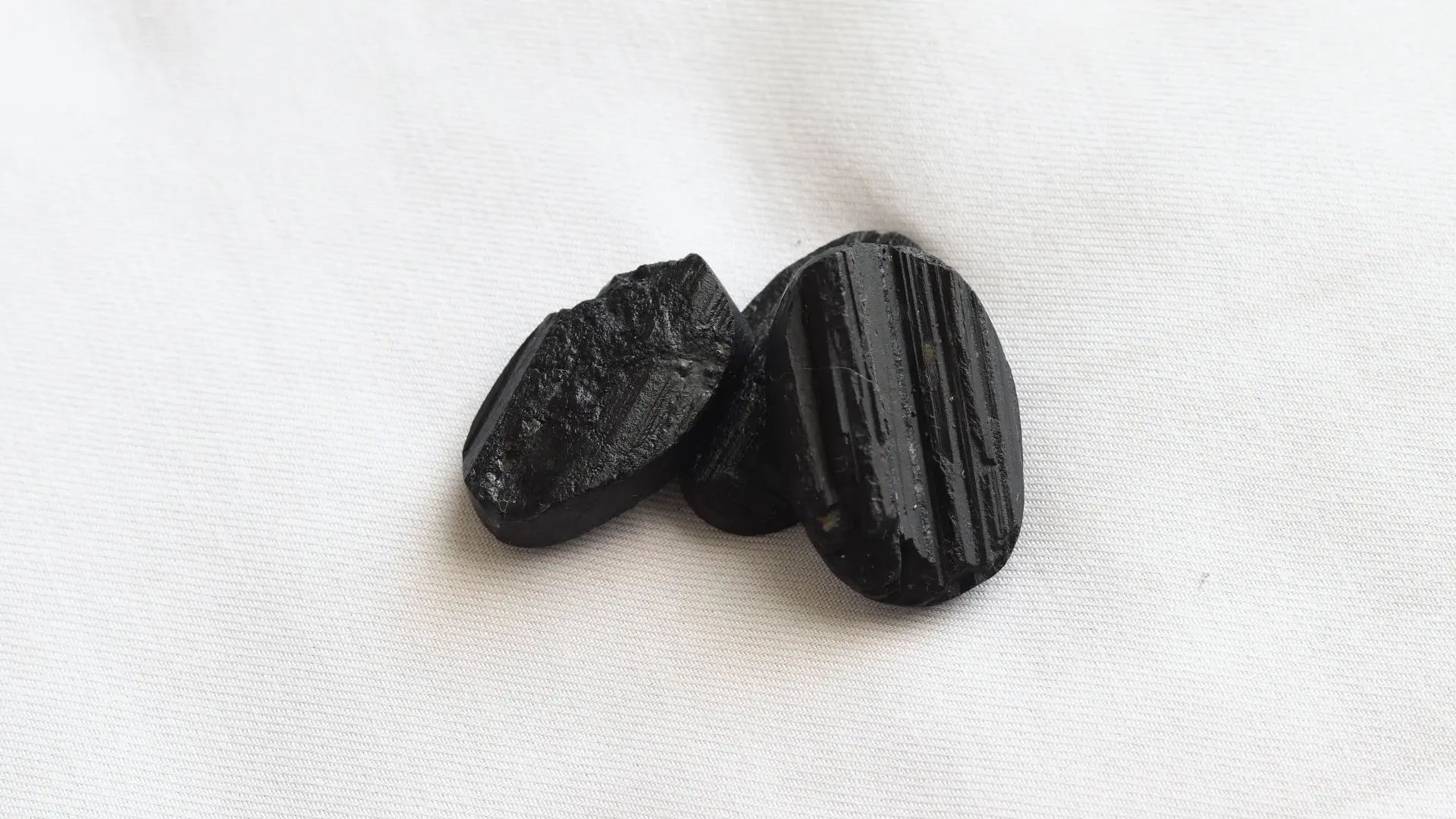
Black Tourmaline
Schorl, the most common tourmaline in nature: black, opaque and grooved along its length. Its name comes from a German village that has since changed its own name.
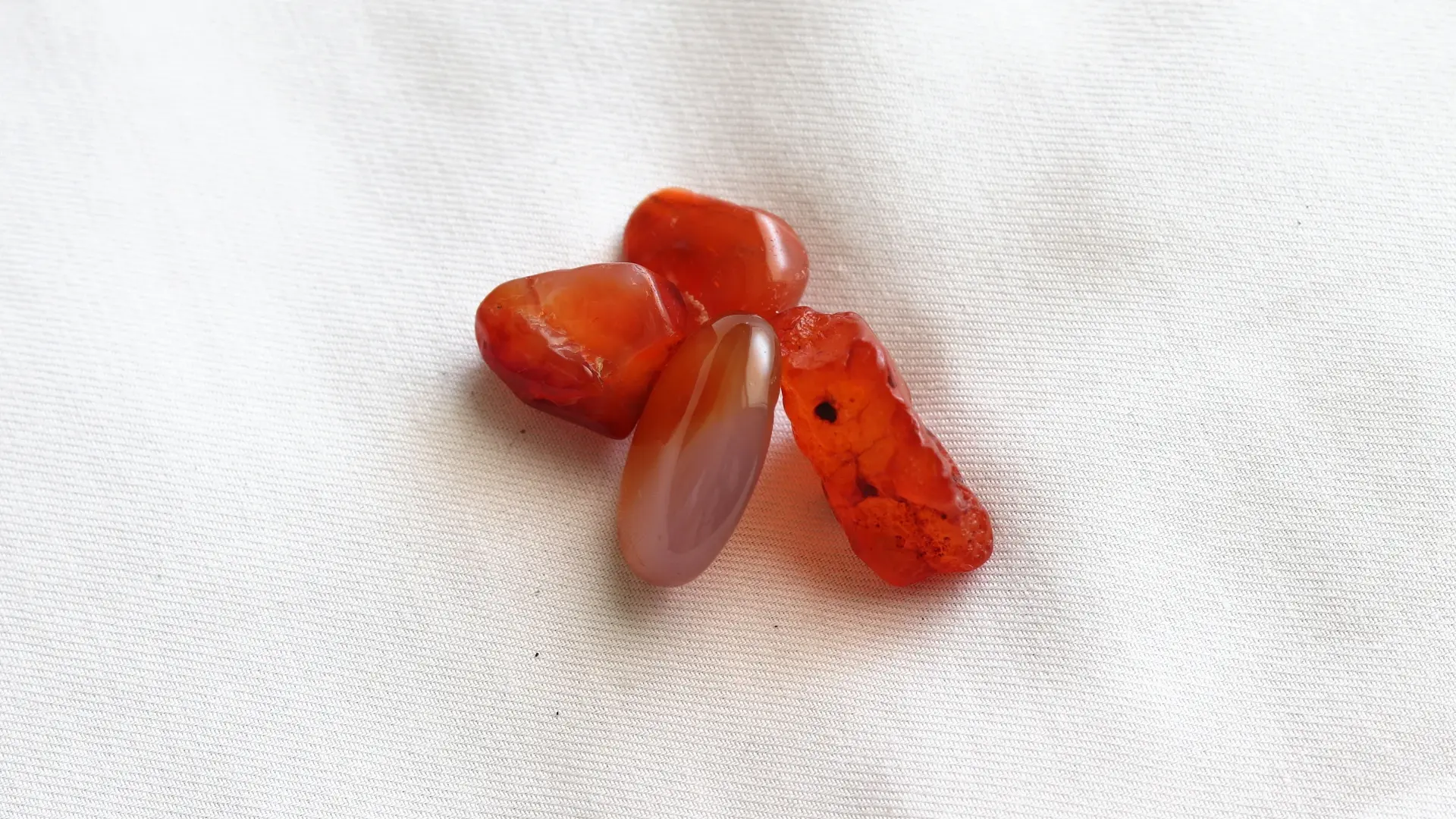
Carnelian
Orange-red chalcedony colored by iron oxides. The Romans loved it for seals, because hot wax doesn't stick to it.
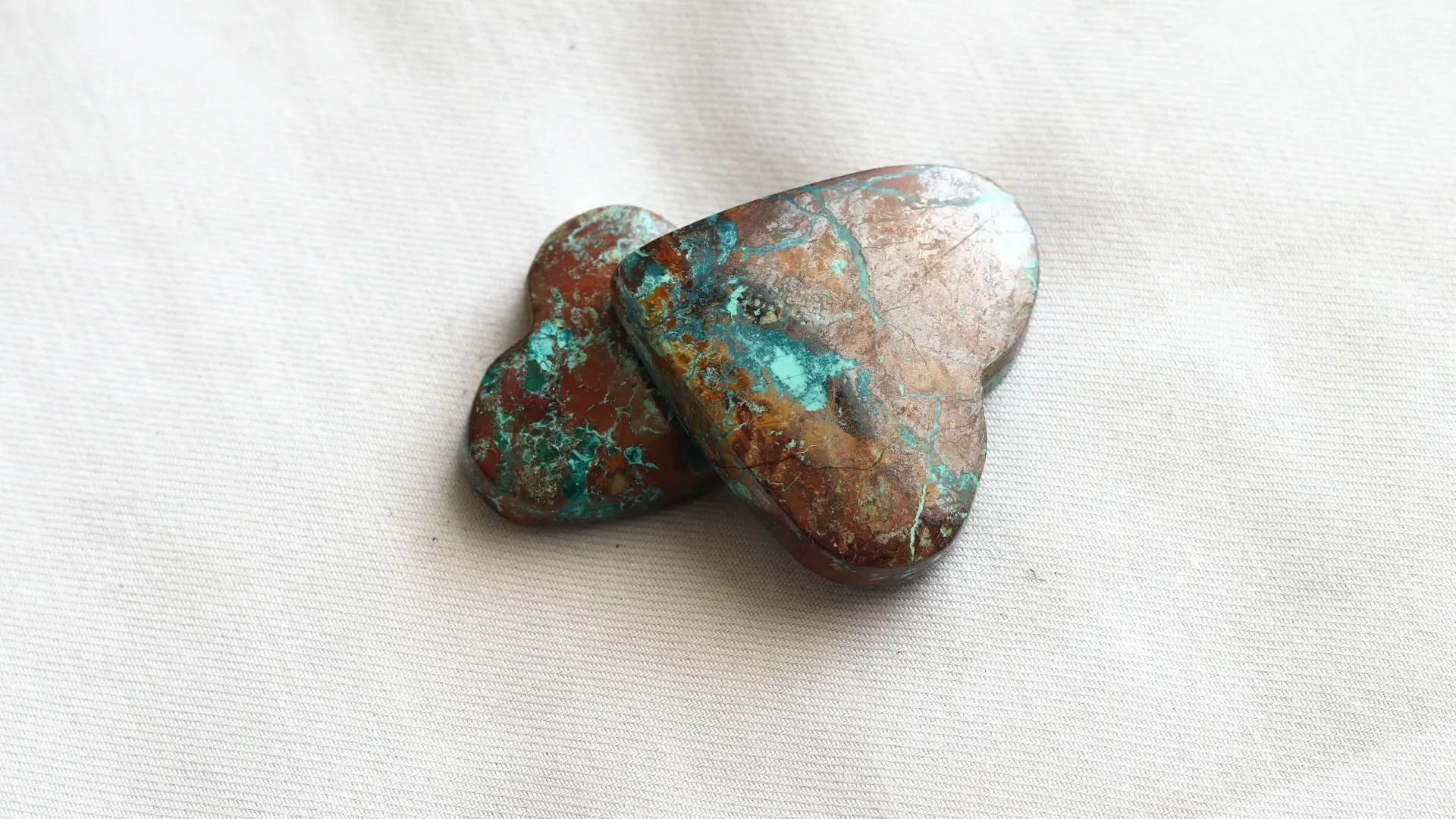
Chrysocolla in Cuprite
Two copper minerals in one stone: blue-green chrysocolla and red cuprite. A desert sunset, only polished.
Browse by association
Different traditions associate crystals with zodiac signs, elements and chakras. Each association is shown with its tradition and sources.