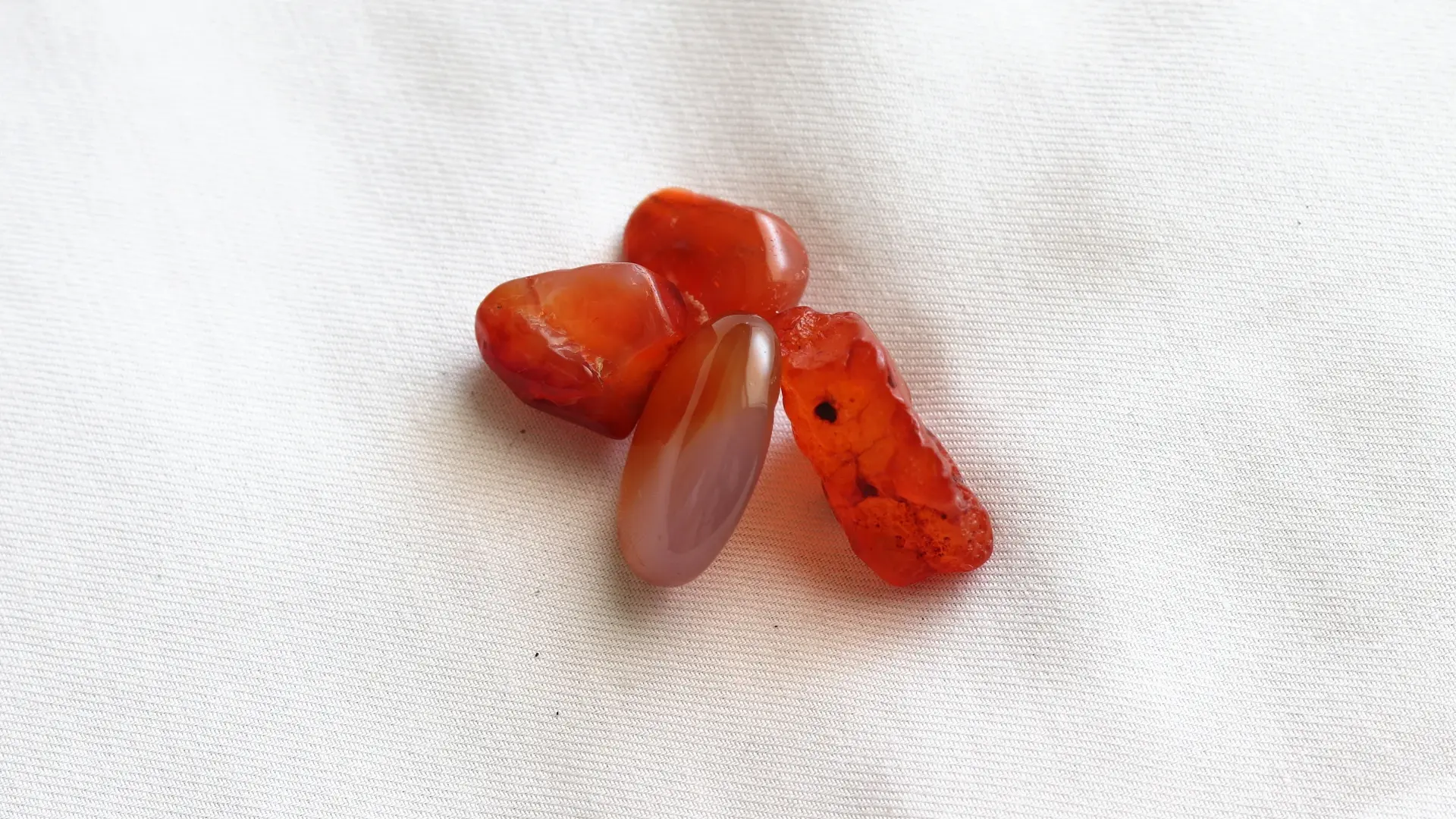
Carnelian
Orange-red chalcedony colored by iron oxides. The Romans loved it for seals, because hot wax doesn't stick to it.
Carnelian is a variety of chalcedony, silica made of tiny crystals, colored orange, red or reddish brown by iron oxides. Its darker, harder cousin is called sard.
It is one of the oldest stones in jewelry making. The Indus Valley Civilization made etched carnelian beads as early as the 3rd millennium BCE, and the Egyptians, Assyrians and Greeks valued it highly. The Romans liked to carve it into seals for signet rings, because hot wax does not stick to carnelian. A stone with serious office skills.
The name comes from the Medieval Latin corneolus, after the cornel cherry, whose translucent red looks similar. The spelling carnelian is a 16th-century corruption of the older cornelian.
Worth knowing: much of what is sold as carnelian is actually ordinary agate that has been heated or stained. Heating turns the iron impurities in the stone a bright orange-red. That doesn't make the stone fake, but it does make it less natural than it looks.
Known sources include Peru and Sri Lanka, with other deposits in Indonesia, Brazil, India, Iran, Siberia and Germany. With a hardness of about 7 on the Mohs scale, it takes a good polish and is used for beads, tumbled stones and carvings.
Crystal traditions
In crystal tradition
Modern crystal websites describe carnelian as a stone of motivation, courage, vitality, creativity and passion.
They link it to the lower chakras, mainly the sacral and root chakras, and to the fire element.
Sources: Carnelian Healing Properties, Meanings, and Uses, Crystal Vaults; Carnelian Meanings and Crystal Properties, The Crystal Council
Scientific information
Properties
Chemistry: silica (SiO₂). A variety of chalcedony.
Color cause: iron oxides.
Mohs hardness: 6.5 to 7.
Luster: waxy to resinous. Fracture: conchoidal and uneven.
Treatments: much of the material on the market is heated or stained agate.
Sources: Carnelian, Wikipedia; Carnelian Gemstones | Beads, Jewelry, Tumbled Stones, Geology.com
Jewish sources
Odem in the High Priest's breastplate
DisputedSources or traditions disagree on this.
Odem is the first stone in the first row of the High Priest's breastplate (Exodus 28:17; 39:10).
According to Wikipedia, the name comes from the Hebrew root for "red", and it probably refers to carnelian or sard. The Septuagint calls it sardios. Matching the breastplate stones to stones known today is disputed, but the sources agree that this stone was red.
According to Bamidbar Rabbah (2:7) and Targum Jonathan (on Exodus 28:17), the odem was engraved with the name of the tribe of Reuben. Bamidbar Rabbah adds that Reuben's flag was red, the color of its stone.
In modern Hebrew, odem is also the word for ruby, but according to Wikipedia, rubies were unknown in biblical times.
Sources: Exodus 28:17–20; Exodus 39:10–13; Priestly breastplate, Wikipedia; Bamidbar Rabbah 2:7; Targum Jonathan on Exodus 28:17
Associations
Different traditions associate this stone with different things, and they sometimes conflict. Each association is shown with its tradition and sources.
Zodiac sign
VirgoCrystal tradition
Sources: Carnelian Healing Properties, Meanings, and Uses, Crystal Vaults; Carnelian Meanings and Crystal Properties, The Crystal Council
Zodiac sign
TaurusCrystal tradition
Sources: Carnelian Meanings and Crystal Properties, The Crystal Council
Zodiac sign
CancerCrystal tradition
Sources: Carnelian Meanings and Crystal Properties, The Crystal Council
Zodiac sign
LeoCrystal tradition
Sources: Carnelian Meanings and Crystal Properties, The Crystal Council
Element
FireCrystal tradition
Sources: Carnelian Healing Properties, Meanings, and Uses, Crystal Vaults; Carnelian Meanings and Crystal Properties, The Crystal Council
Tribe
ReubenRabbinic literature
DisputedSources or traditions disagree on this.
Reuben's stone is the odem. Identifying the odem with carnelian is uncertain.
Sources: Bamidbar Rabbah 2:7; Targum Jonathan on Exodus 28:17
Chakra
SacralCrystal tradition
Sources: Carnelian Healing Properties, Meanings, and Uses, Crystal Vaults; Carnelian Meanings and Crystal Properties, The Crystal Council
Chakra
RootCrystal tradition
Sources: Carnelian Healing Properties, Meanings, and Uses, Crystal Vaults; Carnelian Meanings and Crystal Properties, The Crystal Council
Chakra
Solar PlexusCrystal tradition
Sources: Carnelian Meanings and Crystal Properties, The Crystal Council
Sources
- Carnelian, WikipediaAccessed September 24, 2026
- קרנליאן, ויקיפדיהAccessed September 24, 2026
- Carnelian Gemstones | Beads, Jewelry, Tumbled Stones, Geology.comAccessed September 24, 2026
- Priestly breastplate, WikipediaAccessed September 24, 2026
- Exodus 28:17–20
- Exodus 39:10–13
- Carnelian Healing Properties, Meanings, and Uses, Crystal VaultsAccessed September 24, 2026
- Carnelian Meanings and Crystal Properties, The Crystal CouncilAccessed September 24, 2026
- Bamidbar Rabbah 2:7
- Targum Jonathan on Exodus 28:17
More crystals
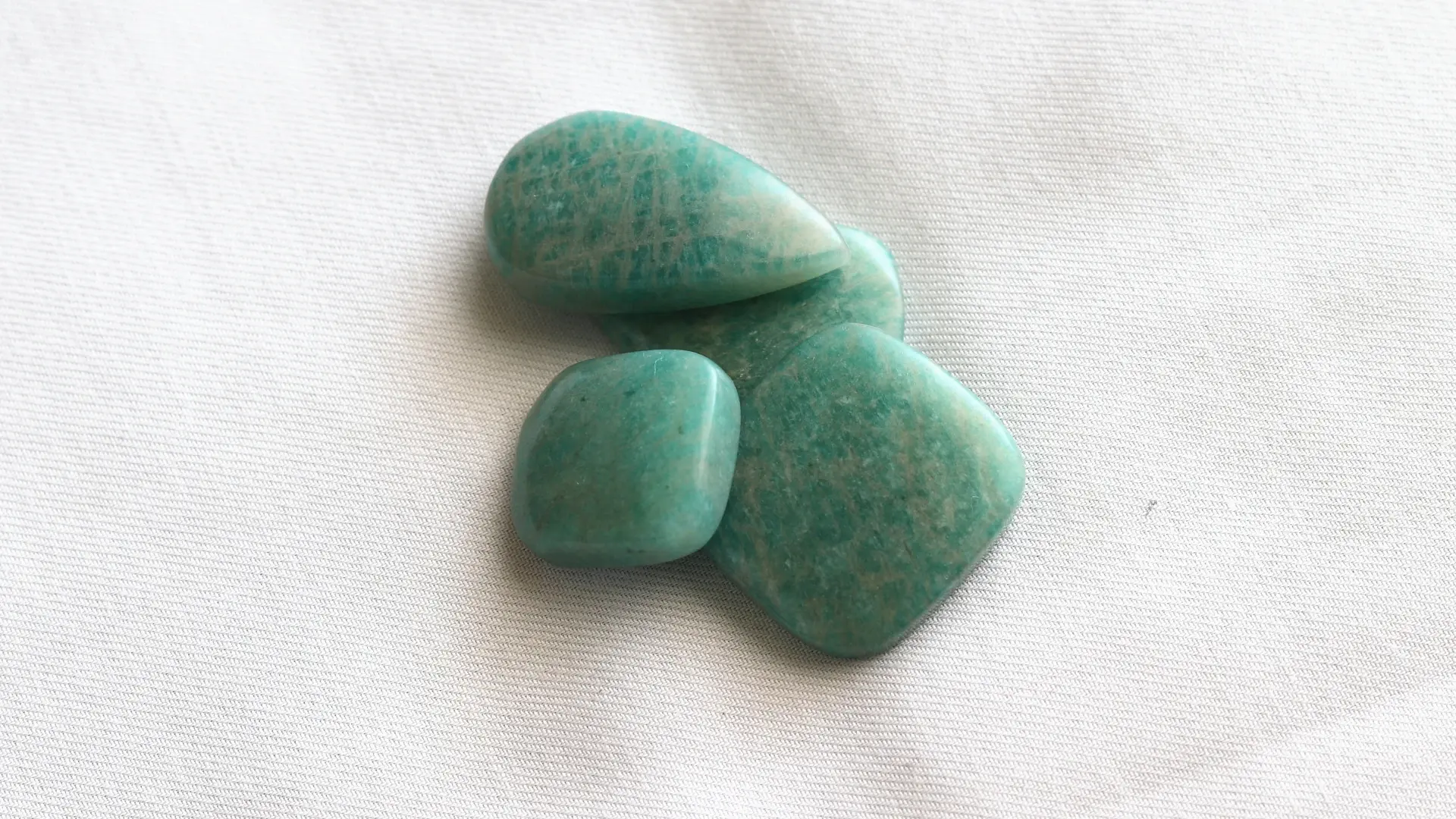
Amazonite
A turquoise-green variety of the feldspar microcline. Despite the name, it does not come from the Amazon.
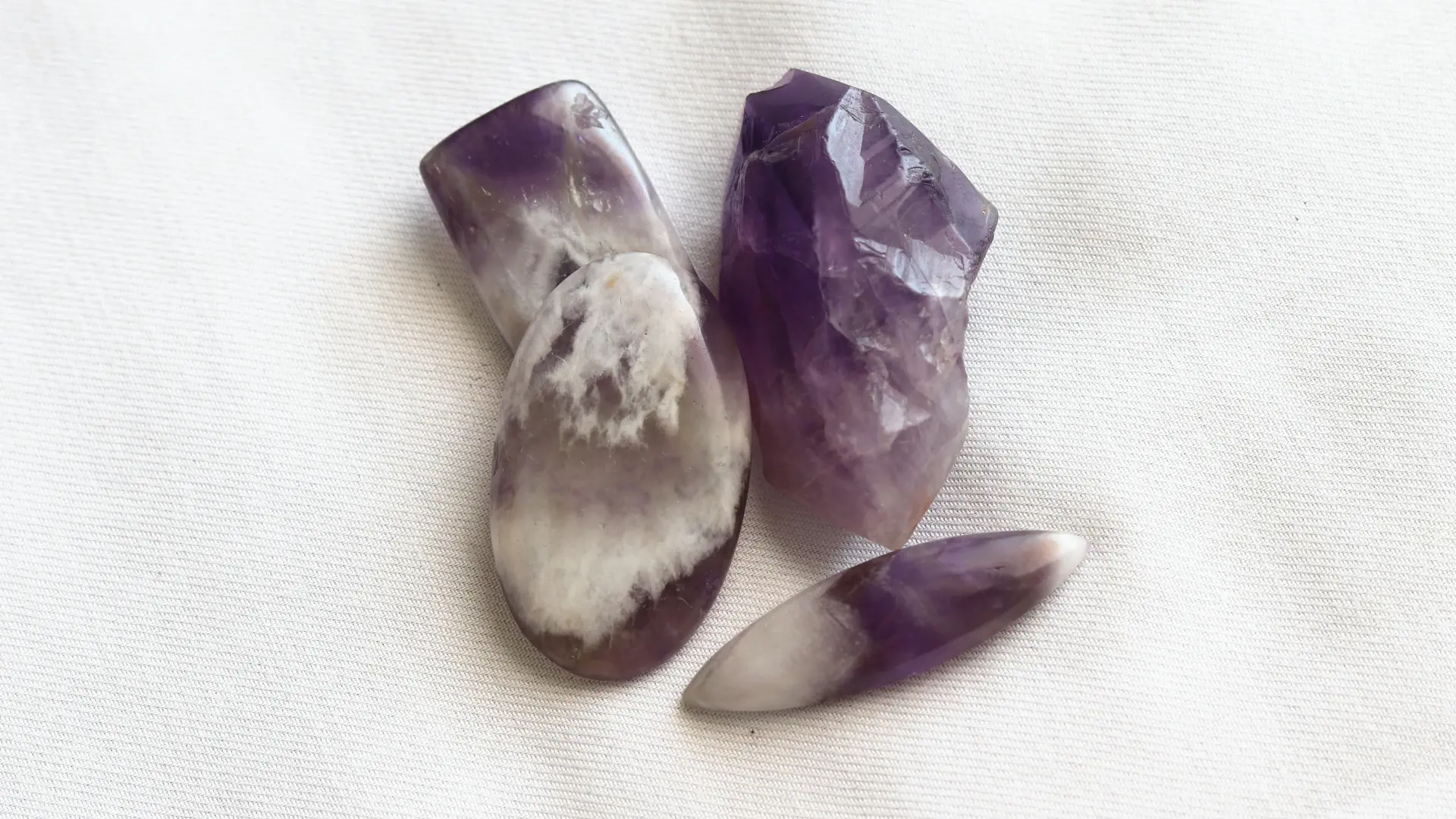
Amethyst
Purple quartz whose Greek name means "not drunk". By the common identification, one of the breastplate stones, and one of the best-loved stones in the world.
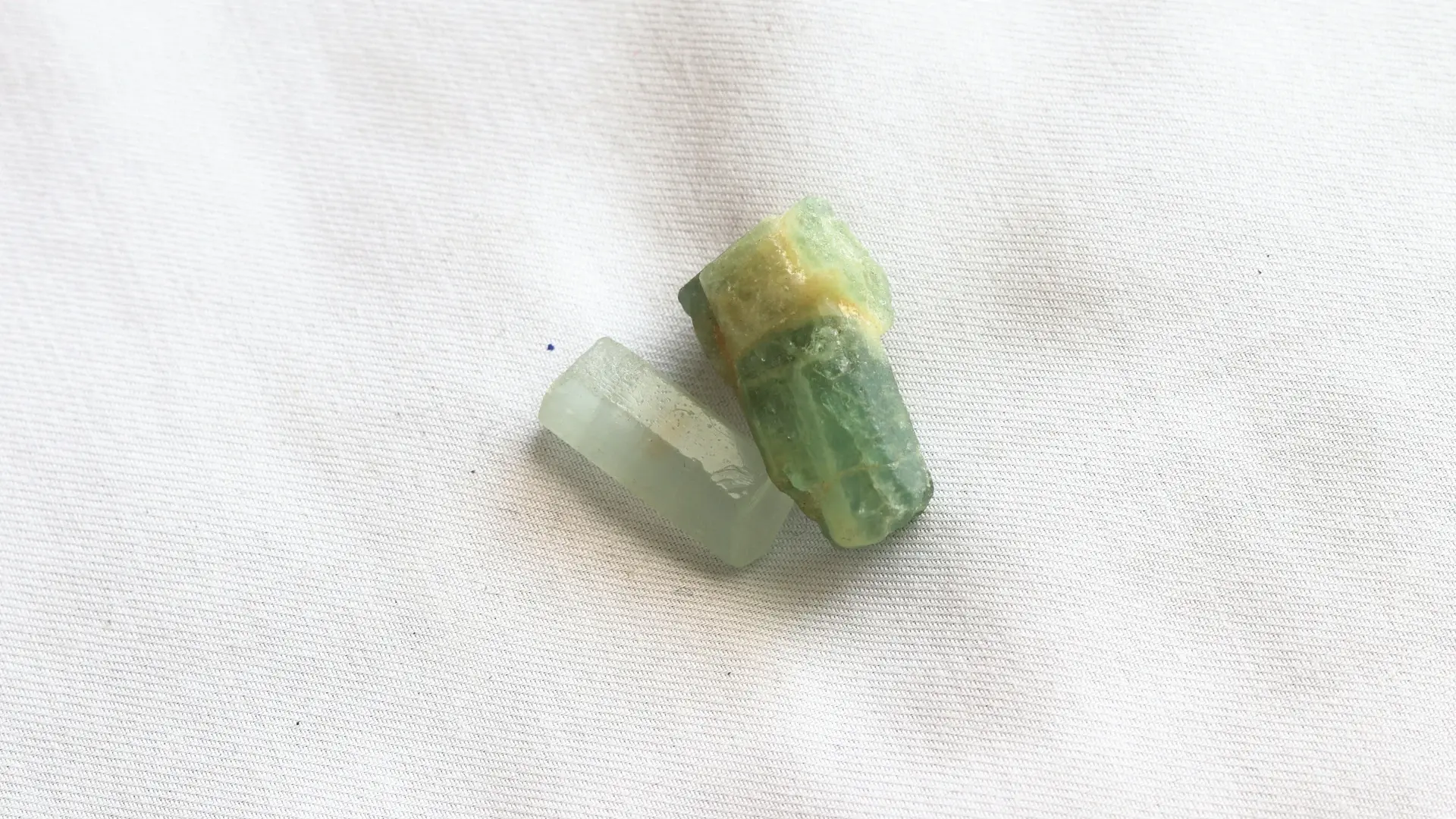
Aquamarine
The blue-green variety of beryl, a close relative of emerald. Its name means "seawater".
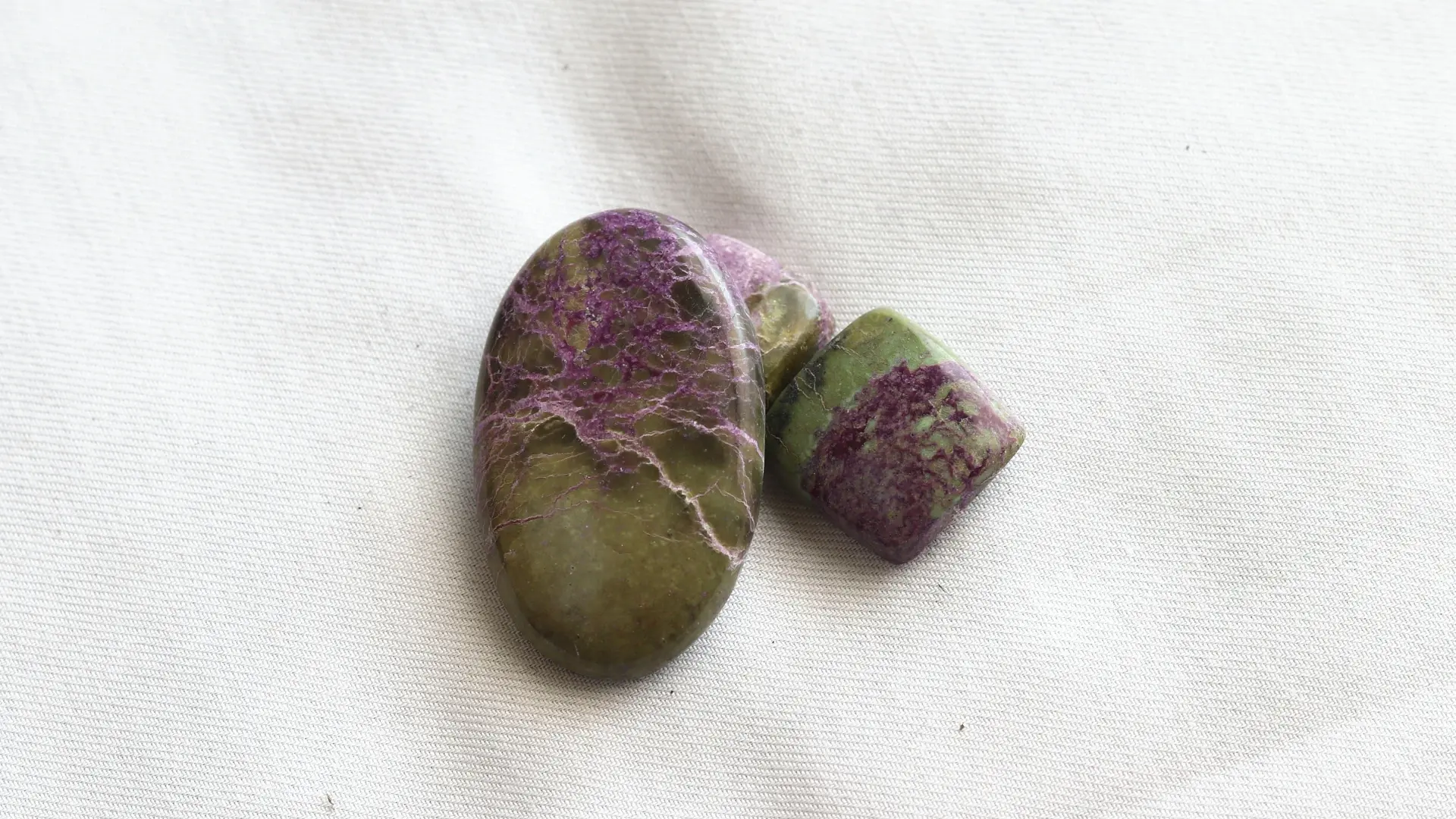
Atlantisite
A natural mix of green serpentine and purple stichtite, from a single hill in Tasmania.