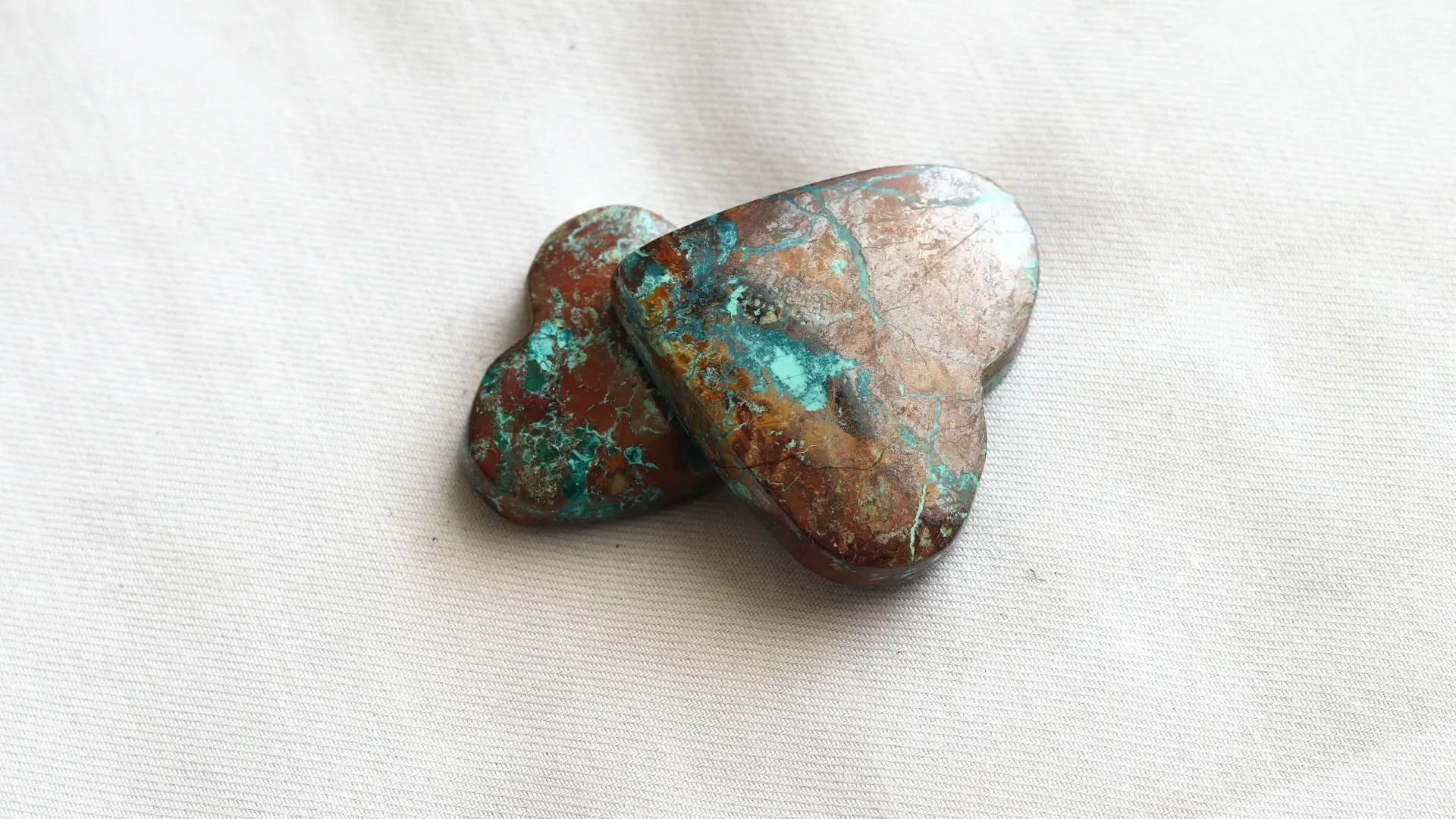
Chrysocolla in Cuprite
Two copper minerals in one stone: blue-green chrysocolla and red cuprite. A desert sunset, only polished.
This stone is really two stones that grew together. The blue-green parts are chrysocolla, and the red-brown parts are cuprite. Both minerals contain copper, and both form in the same place: the zone where copper deposits meet oxygen and water and start to change.
Chrysocolla is fairly soft, 2.5 to 3.5 on the Mohs scale, and on its own it is too fragile for jewelry. When silica soaks into it, it hardens a lot, reaching up to 7 in that form. Cuprite is a simple copper oxide, and almost 90 percent of its weight is copper. Next time someone tells you a stone is worthless, remind them it is practically a coin.
The name chrysocolla comes from Greek: chrysos, gold, and kolla, glue. Theophrastus used it as early as 315 BC, because it was the name of a material used to solder gold. Cuprite comes from the Latin cuprum, copper. It is sometimes called "ruby copper" because of its color.
Material with this combination is sold as Sonora Sunset. According to the stone dealer Barlow's Gems, it came from the Milpillas mine in Sonora, Mexico. The deposit was discovered in 1978, mining began in 2006, and the mine closed in 2019, so this material is getting harder to find.
Israel has chrysocolla too: according to Hebrew Wikipedia, it is found in the Timna Valley. It is also one of the minerals that make up Eilat stone, which is considered the national stone of Israel.
Crystal traditions
In crystal tradition
Crystal Vaults calls chrysocolla a "Stone of Communication" and links it to the throat and heart chakras, to Sagittarius and to water energy.
The site also notes that the Roman author Pliny used the name chrysocolla for a completely different material: borax found in mineral springs. So even in ancient times, the name moved between several materials.
Sources: Chrysocolla Healing Properties, Meanings, and Uses, Crystal Vaults
Scientific information
Properties
Chrysocolla: a hydrated copper silicate, Cu₂₋ₓAlₓ(H₂Si₂O₅)(OH)₄·nH₂O. Mohs hardness 2.5 to 3.5 (up to 7 when silicified). Specific gravity 1.9 to 2.4. Vitreous to dull luster.
Cuprite: copper oxide, Cu₂O. Mohs hardness 3.5 to 4. Specific gravity 6.14. Dark red to almost black.
Formation: both are secondary minerals, formed in the oxidation zone of copper deposits.
Sources: Chrysocolla, Wikipedia; Cuprite, Wikipedia; כריזוקולה, ויקיפדיה
Associations
Different traditions associate this stone with different things, and they sometimes conflict. Each association is shown with its tradition and sources.
Zodiac sign
SagittariusCrystal tradition
Sources: Chrysocolla Healing Properties, Meanings, and Uses, Crystal Vaults
Element
WaterCrystal tradition
Sources: Chrysocolla Healing Properties, Meanings, and Uses, Crystal Vaults
Chakra
ThroatCrystal tradition
Sources: Chrysocolla Healing Properties, Meanings, and Uses, Crystal Vaults
Chakra
HeartCrystal tradition
Sources: Chrysocolla Healing Properties, Meanings, and Uses, Crystal Vaults
Sources
- Chrysocolla, WikipediaAccessed September 24, 2026
- Cuprite, WikipediaAccessed September 24, 2026
- כריזוקולה, ויקיפדיהAccessed September 24, 2026
- Eilat stone, WikipediaAccessed September 24, 2026
- Sonora Sunset - Chrysocolla Cuprite - Sonora Sunrise, Barlow's GemsAccessed September 24, 2026
- Chrysocolla Healing Properties, Meanings, and Uses, Crystal VaultsAccessed September 24, 2026
More crystals
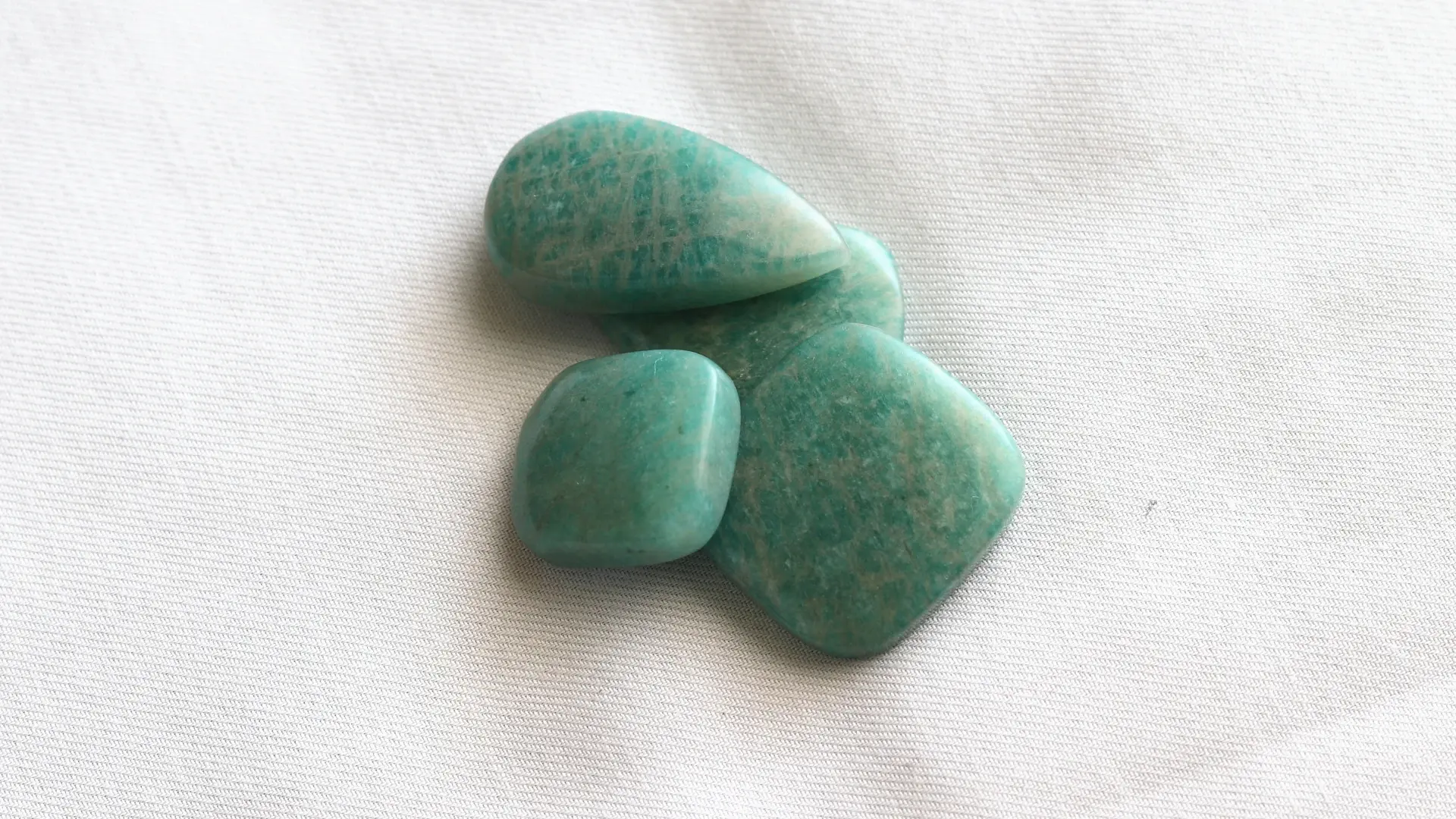
Amazonite
A turquoise-green variety of the feldspar microcline. Despite the name, it does not come from the Amazon.
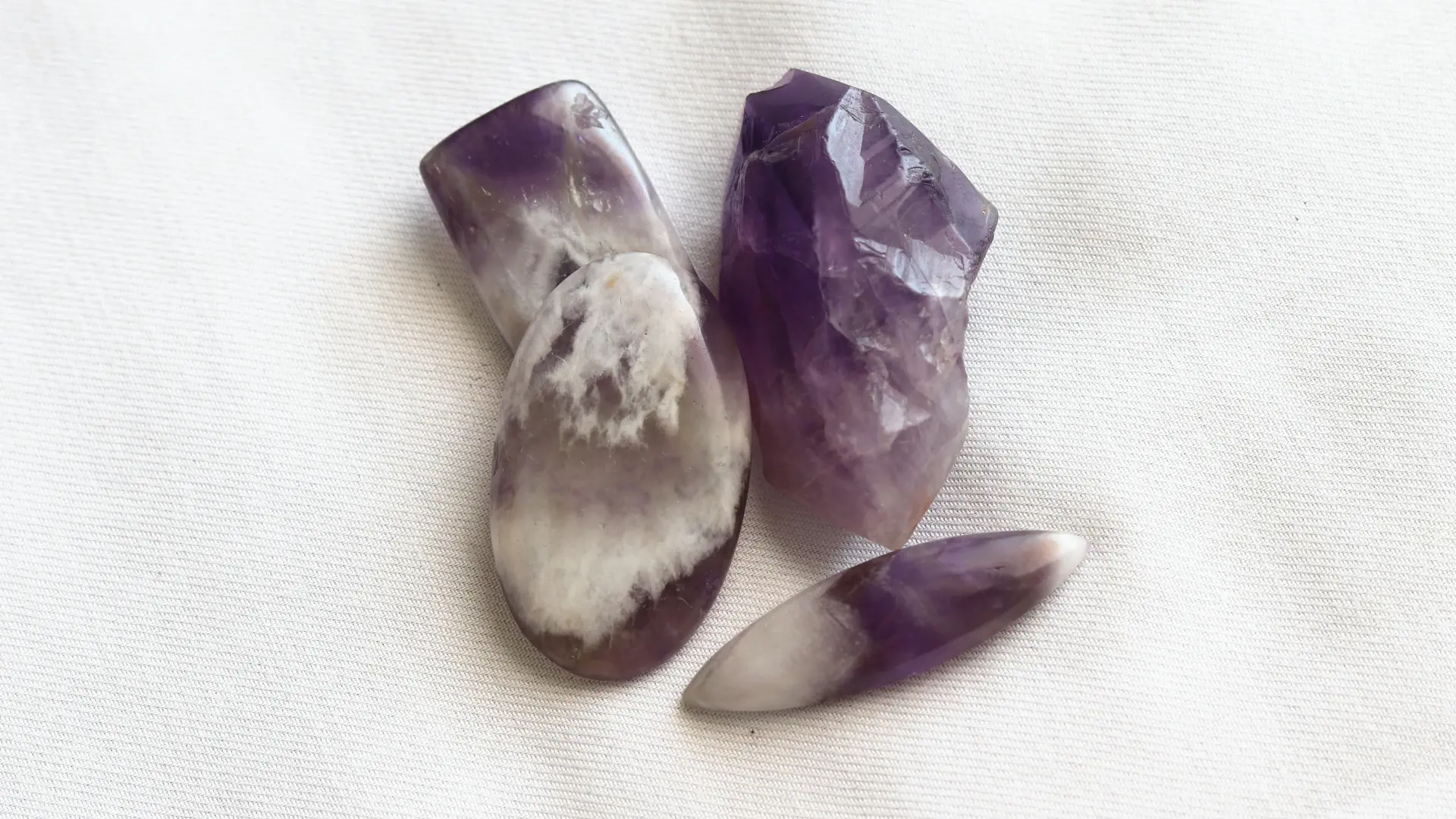
Amethyst
Purple quartz whose Greek name means "not drunk". By the common identification, one of the breastplate stones, and one of the best-loved stones in the world.
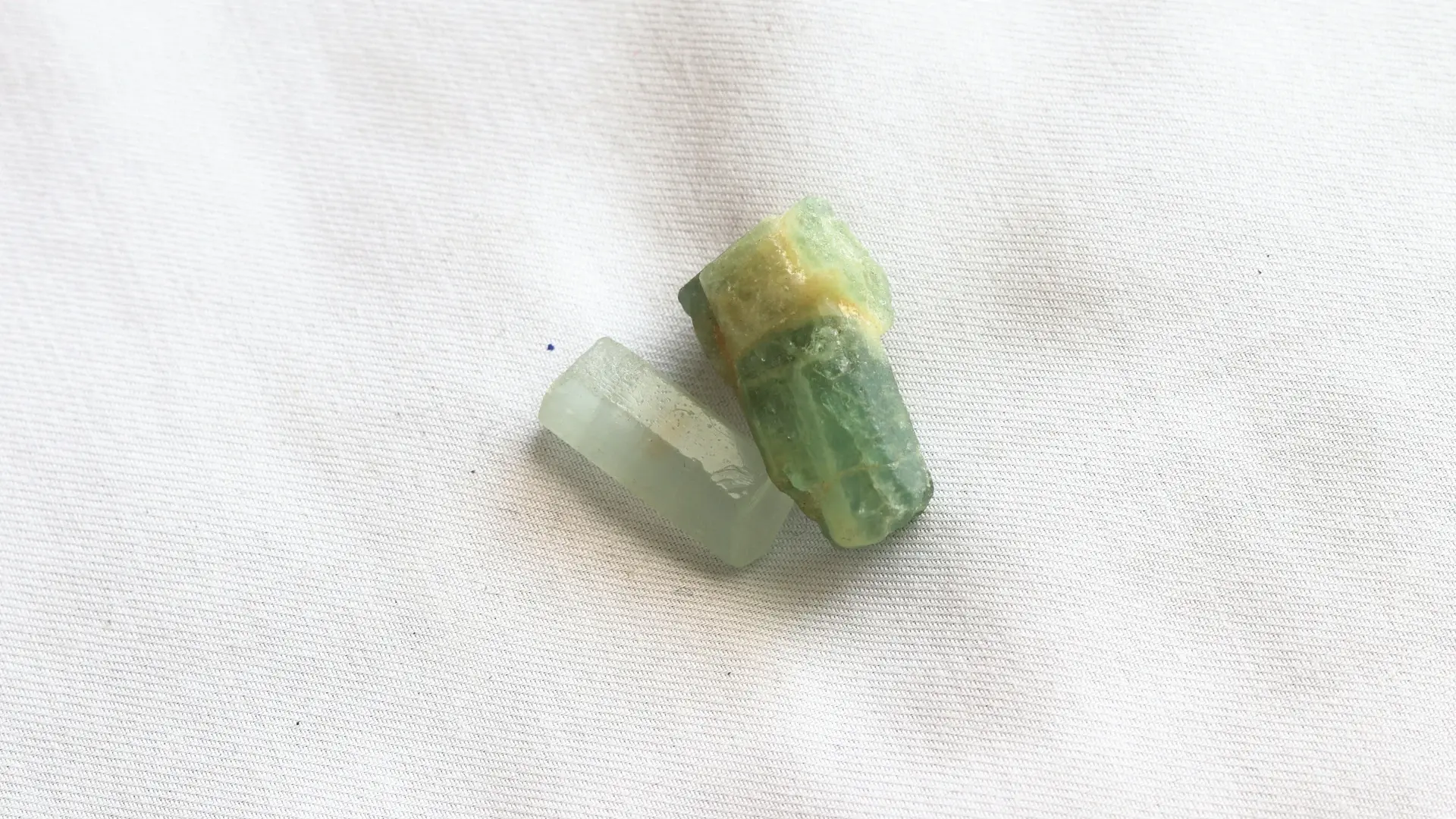
Aquamarine
The blue-green variety of beryl, a close relative of emerald. Its name means "seawater".
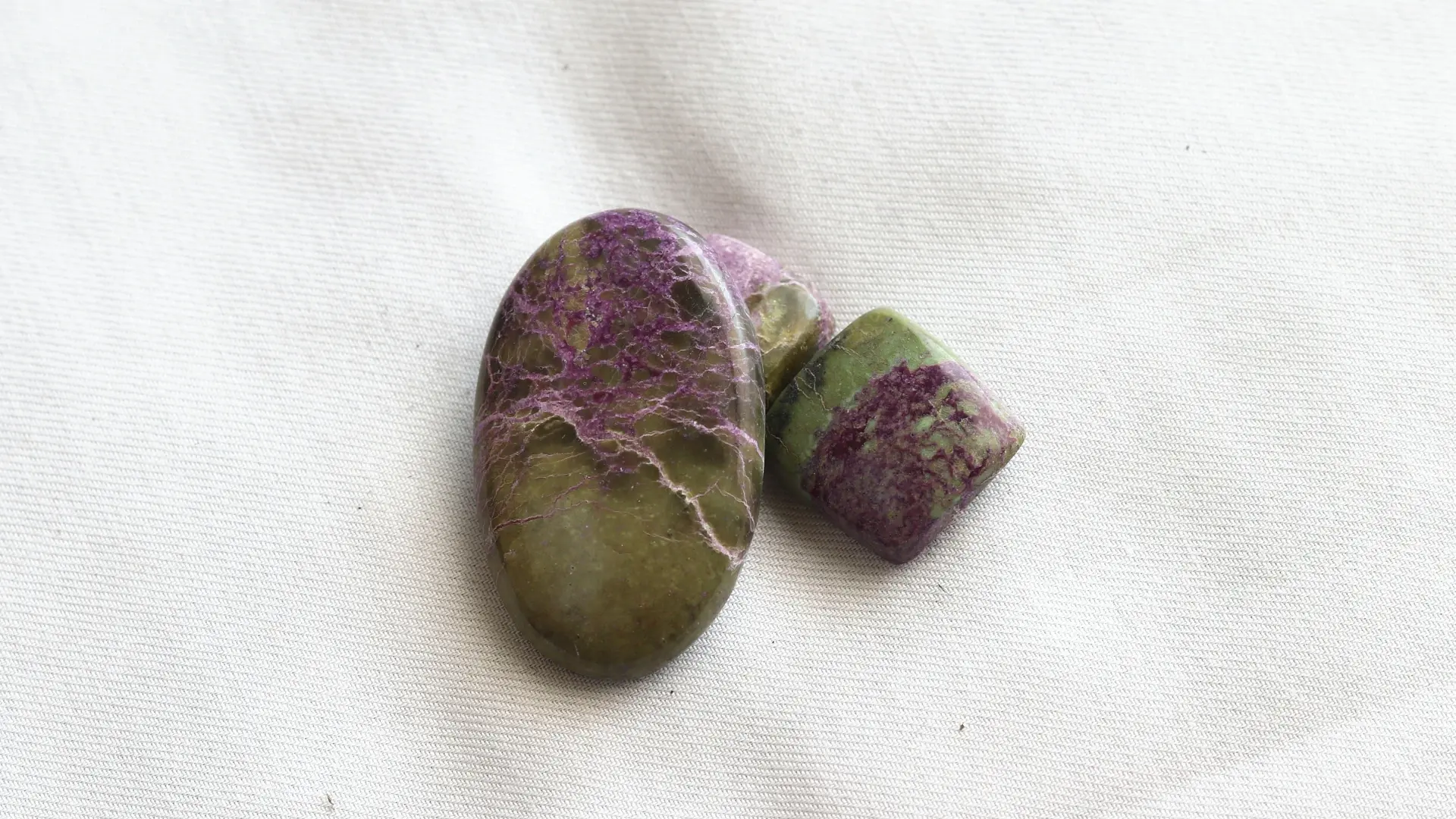
Atlantisite
A natural mix of green serpentine and purple stichtite, from a single hill in Tasmania.