Black Tourmaline
Schorl, the most common tourmaline in nature: black, opaque and grooved along its length. Its name comes from a German village that has since changed its own name.
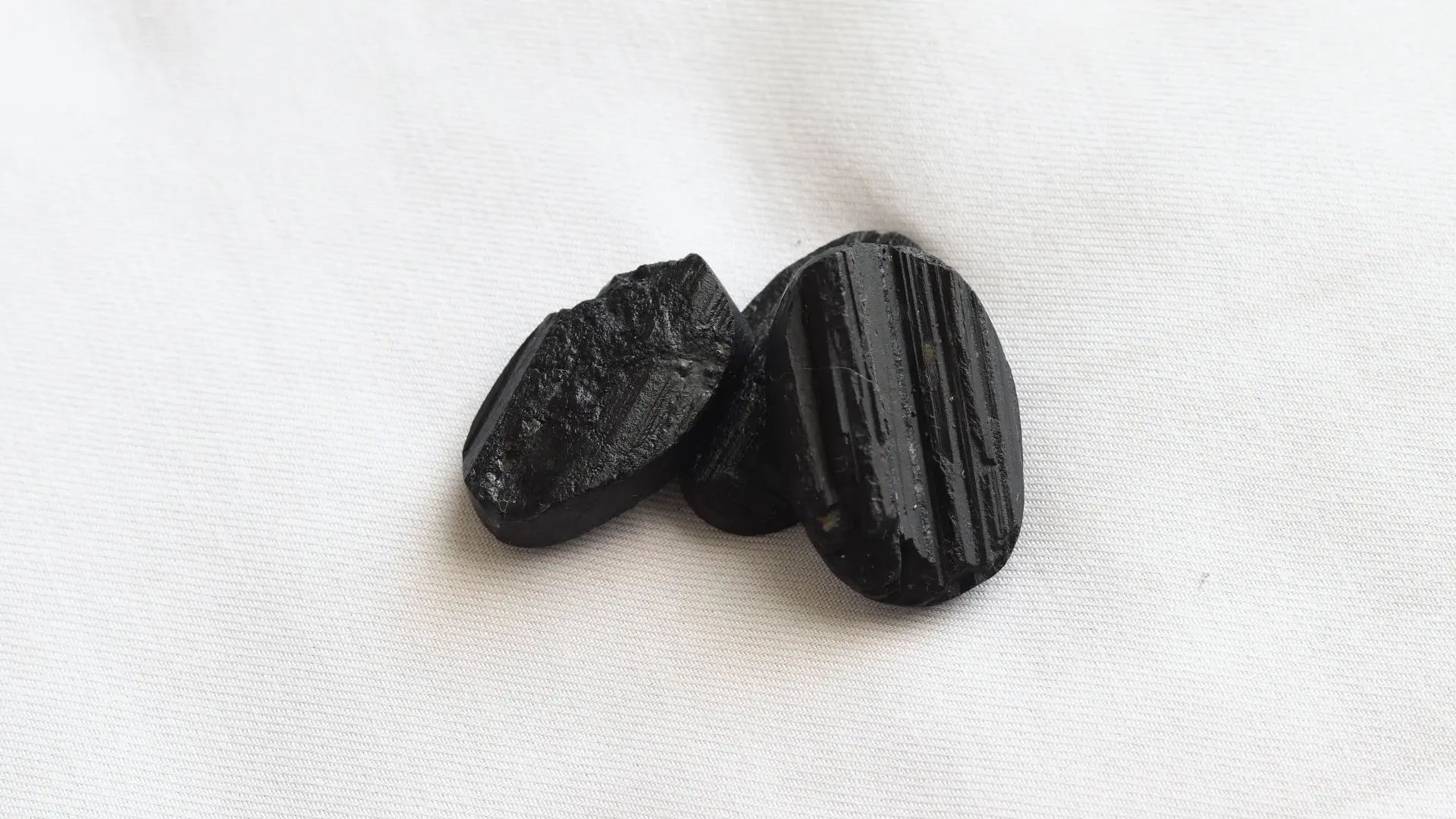
The photo shows three black, raw, unpolished pieces. Their faces have deep grooves running along the crystal, like corduroy made of stone. This is black tourmaline, known to mineralogists as schorl. According to Wikipedia, schorl is the most common kind of tourmaline, and it may account for 95% or more of all tourmaline in nature. For its colorful siblings, see the multi-colour tourmaline page.
The grooves are its trademark. According to Minerals.net, schorl crystals are usually long and deeply striated along their length, and many of them have a rounded triangular cross-section. And according to Minerals.net, schorl is always black, and unlike other tourmalines, it is never transparent, not even slightly. So if you can see through it, it is not schorl.
The name has a story too. According to Wikipedia, the name "schorl" was in use before the year 1400, because a village in Saxony, Germany, was then called "Schorl". Near the village was a tin mine, where black tourmaline was found along with the tin. Today the village is called Zschorlau. It gave its name to the stone, and then changed its own.
It has an electric side as well. According to Minerals.net, schorl is strongly pyroelectric, meaning it becomes charged when heated, and it is also piezoelectric, becoming charged when squeezed. According to Crystal Vaults, Dutch traders in the 18th century knew about this, and used tourmaline to pull ash out of their pipes. They called it Aschentrekker, the "ash puller". An 18th-century vacuum cleaner.
According to Geology.com, black tourmaline occurs as a minor mineral in many rocks, such as granite, pegmatite and gneiss, usually in small amounts. And according to Minerals.net, especially fine crystals come from Pakistan, Namibia, Madagascar and Brazil. Collectors love it, and it is sometimes cut as a black gemstone too, although according to Minerals.net that is not common.
Crystal traditions
In crystal tradition
According to Crystal Vaults, ancient magicians relied on black tourmaline to protect them from earth demons as they cast their spells. Today too, according to the site, it is considered one of the leading talismans of protection, a kind of shield that deflects negative energies. According to the site, it is associated with the root chakra, and it is a zodiac stone of Libra. The same page also lists Pisces in its table of contents, so the Libra link is marked as uncertain.
Sources: Black Tourmaline Healing Properties, Meanings, and Uses, Crystal Vaults
Scientific information
Properties
Mineral: schorl, of the tourmaline group. A boron silicate.
Chemical formula: NaFe²⁺₃Al₆(BO₃)₃Si₆O₁₈(OH)₄.
Crystal system: trigonal.
Mohs hardness: 7 to 7.5.
Specific gravity: 3.1 to 3.2.
Luster: vitreous. Always black and opaque.
Cleavage: indistinct.
Crystal form: long prisms with deep lengthwise striations, often with a rounded triangular cross-section.
Electrical properties: strongly pyroelectric, and piezoelectric.
Environment: mainly granite pegmatites, and in small amounts in igneous and metamorphic rocks.
Sources: Schorl tourmaline: The mineral Schorl information and pictures, Minerals.net; Tourmaline: Earth's most colorful mineral and gemstone, Geology.com; Tourmaline, Wikipedia
Associations
Different traditions associate this stone with different things, and they sometimes conflict. Each association is shown with its tradition and sources.
Zodiac sign
LibraCrystal tradition
UncertainThere is not enough evidence to decide.
The source names Libra in its text, but its table of contents lists Pisces.
Sources: Black Tourmaline Healing Properties, Meanings, and Uses, Crystal Vaults
Chakra
RootCrystal tradition
Sources: Black Tourmaline Healing Properties, Meanings, and Uses, Crystal Vaults
Sources
- Schorl tourmaline: The mineral Schorl information and pictures, Minerals.netAccessed September 24, 2026
- Tourmaline: Earth's most colorful mineral and gemstone, Geology.comAccessed September 24, 2026
- Tourmaline, WikipediaAccessed September 24, 2026
- Black Tourmaline Healing Properties, Meanings, and Uses, Crystal VaultsAccessed September 24, 2026
More crystals
Amazonite
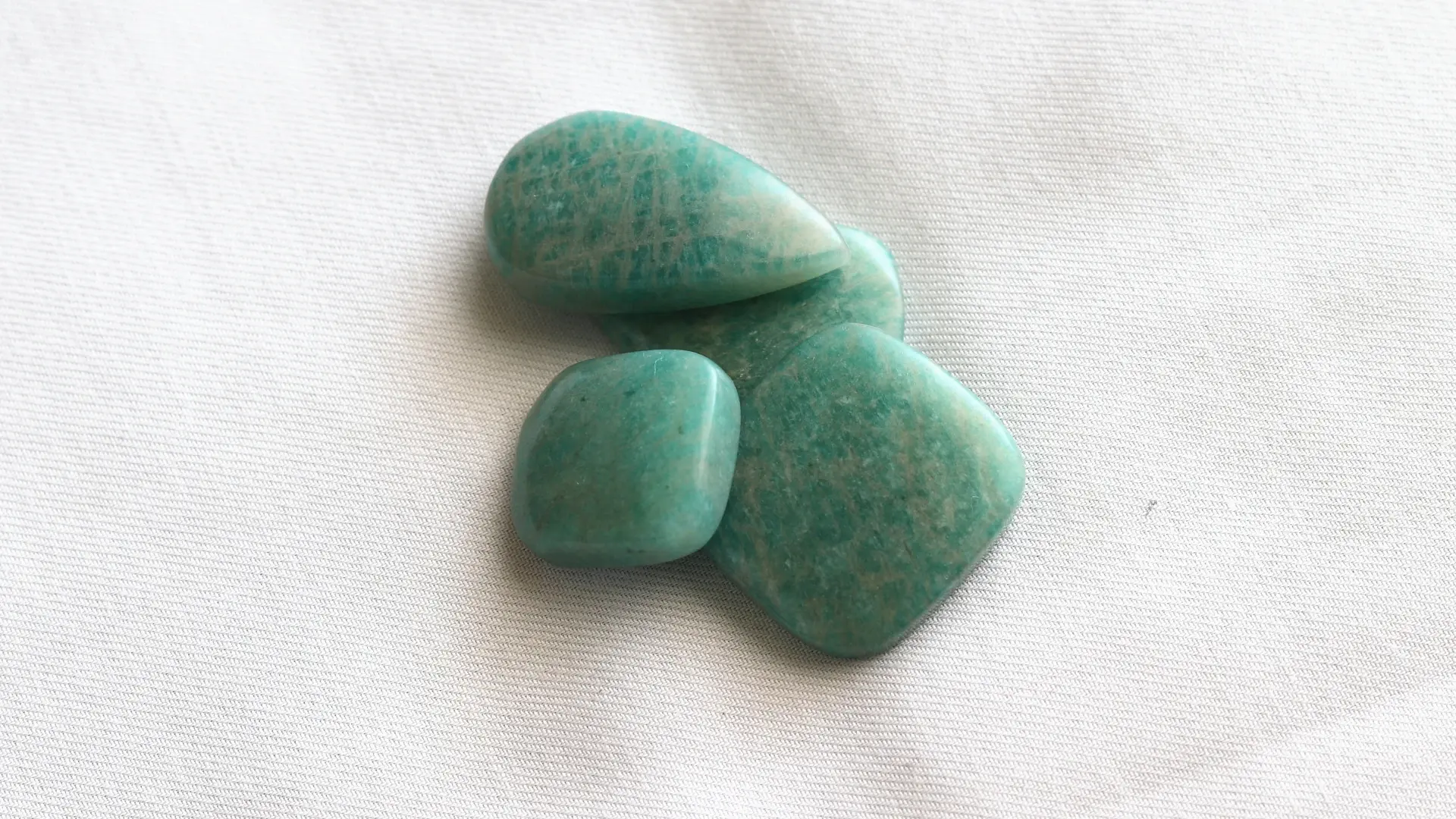
A turquoise-green variety of the feldspar microcline. Despite the name, it does not come from the Amazon.
Amethyst
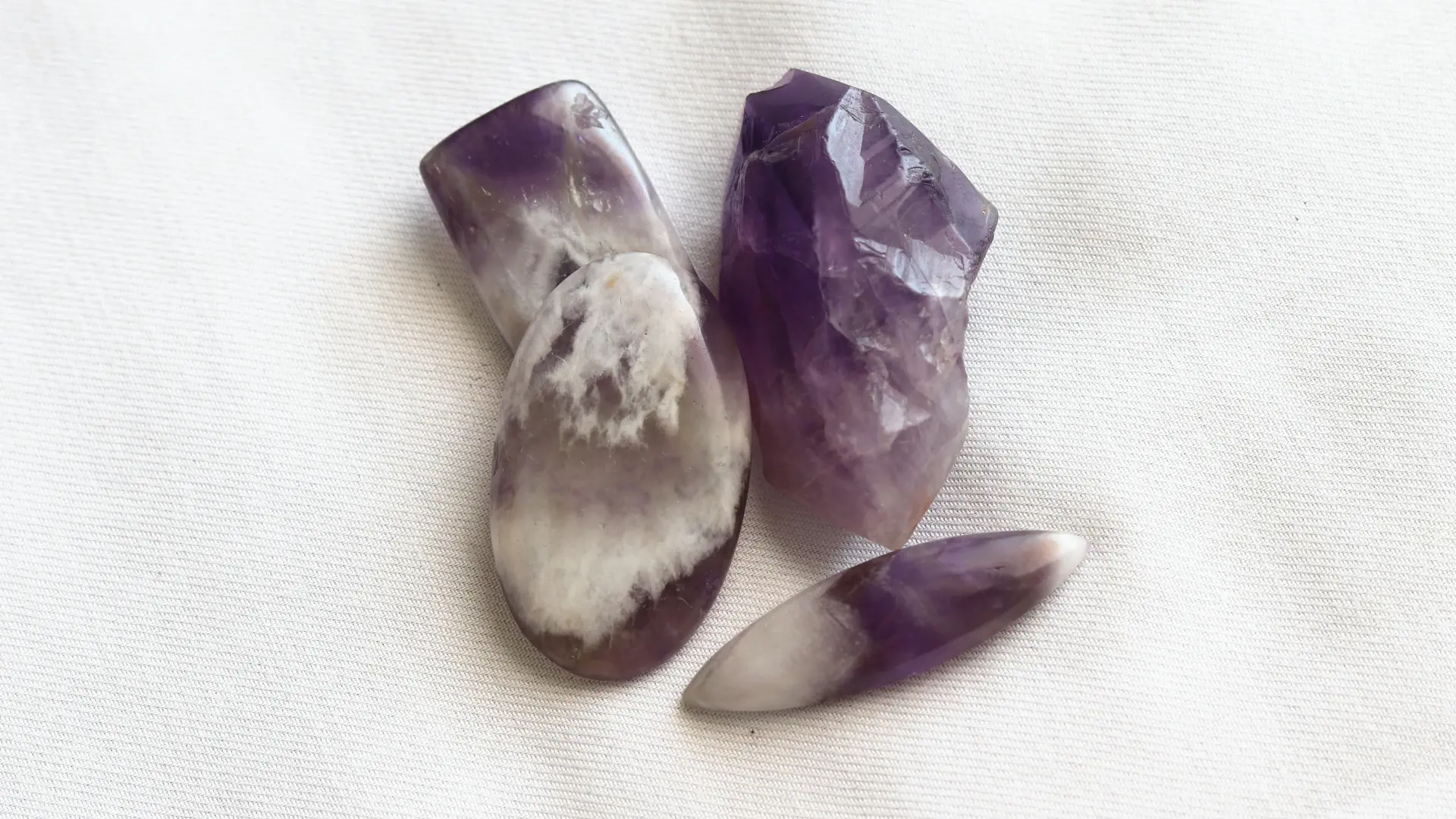
Purple quartz whose Greek name means "not drunk". By the common identification, one of the breastplate stones, and one of the best-loved stones in the world.
Aquamarine
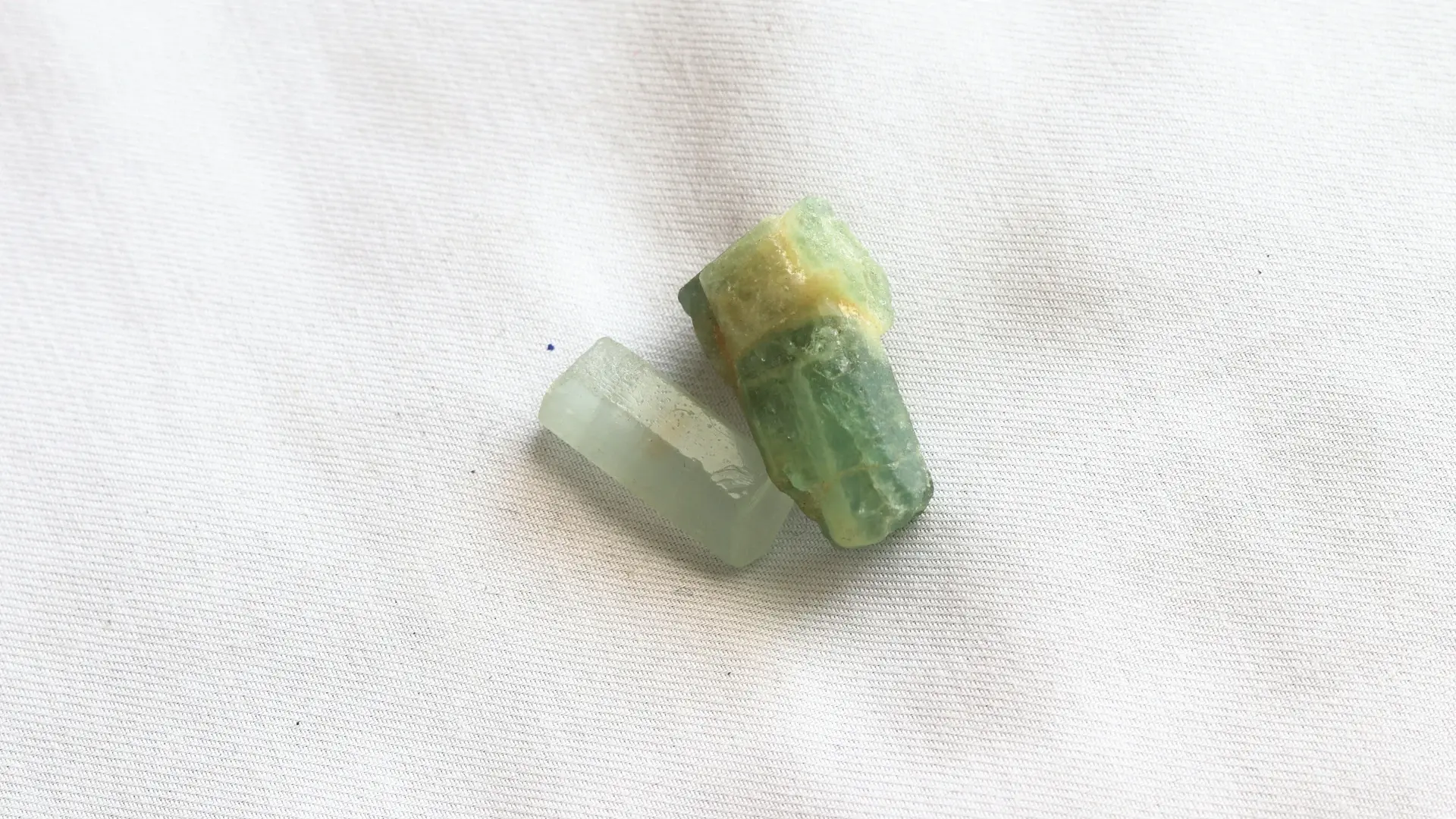
The blue-green variety of beryl, a close relative of emerald. Its name means "seawater".
Atlantisite
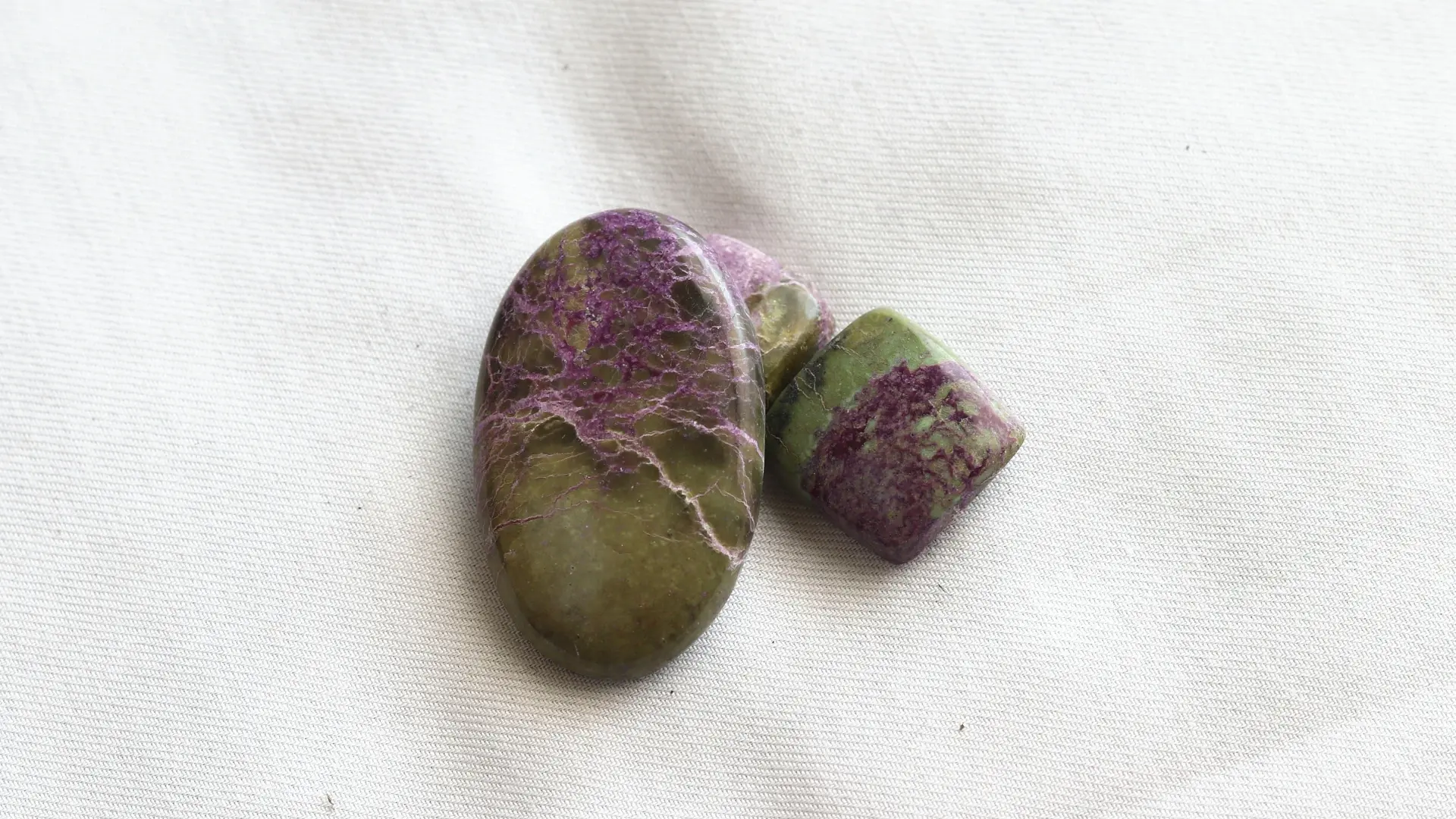
A natural mix of green serpentine and purple stichtite, from a single hill in Tasmania.