Peach Moonstone
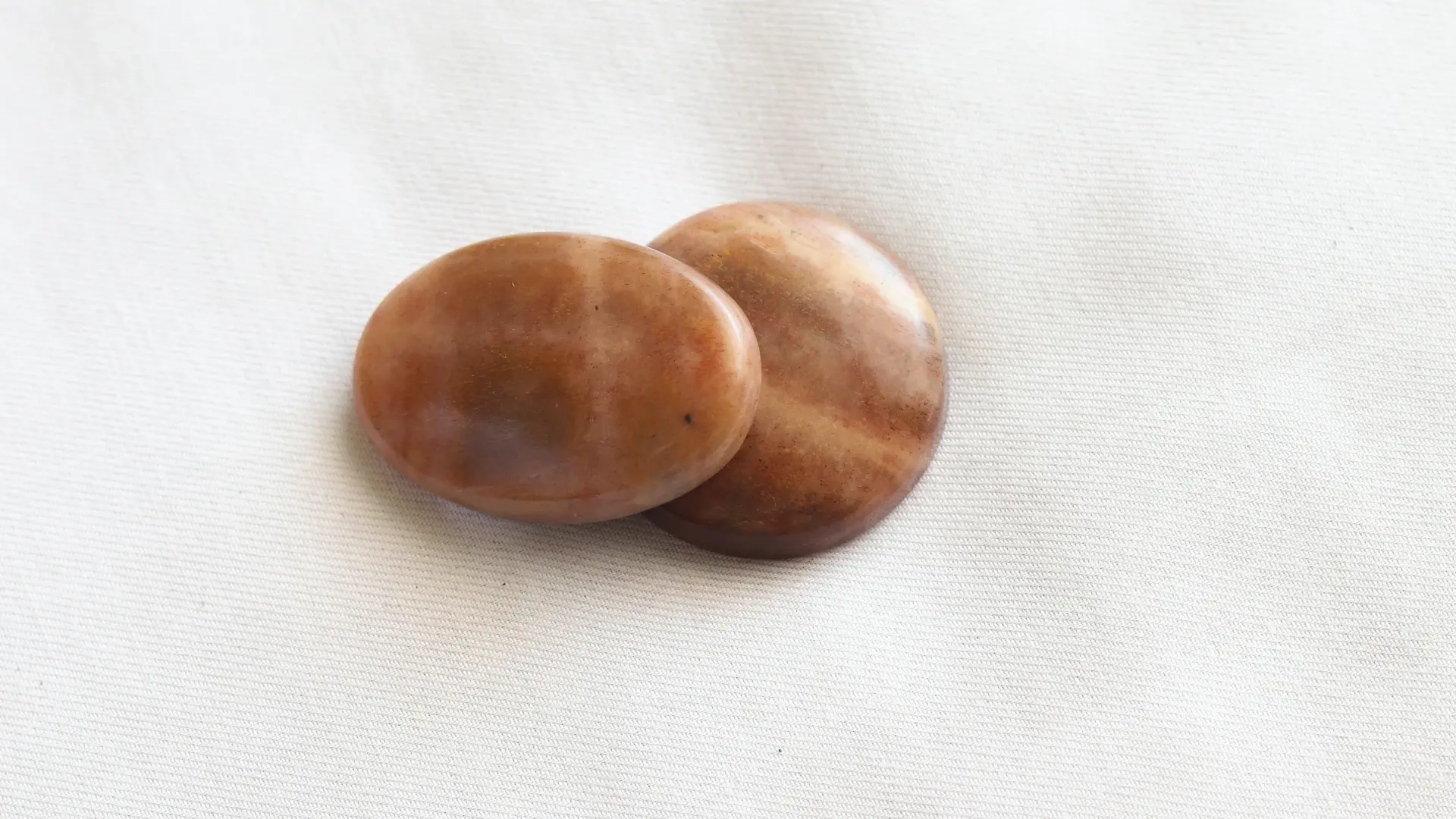
Moonstone in a warm peach shade, with a soft glow that appears when you turn it in the light.
Peach moonstone is the familiar moonstone, just in a warm shade. According to GIA, moonstone is a variety of orthoclase, a mineral of the feldspar group, and GIA lists peach among its colors. The photo shows two polished oval stones in a peachy brown shade, and on one of them you can see faint parallel stripes.
Moonstone's glow is called adularescence. According to GIA, as the stone forms, orthoclase and another mineral, albite, separate into very thin layers, and light is scattered between them. According to Geology.com, in stones with a colored body the glow is usually white to silvery, and the rare "blue flash" appears mostly in colorless stones. So do not look for electric blue in a peach stone. It does something quieter.
The word adularescence has an address too: according to Geology.com, fine moonstone was mined in the Swiss Alps near the St. Gotthard Pass, once called Mt. Adular, and it was named adularia. Today the most important source is Sri Lanka, and a lot of moonstone also comes from India, Brazil and Myanmar. According to Geology.com, there are no large mechanized moonstone mines, and most mining is done by hand, in stream gravels.
Now for the warning: according to Geology.com, moonstone has two directions of perfect cleavage, and one sharp knock can split it in two. The site even shows a photo of a moonstone ring that this happened to. So earrings and pendants? Great. A ring for gardening? Less so.
For the stories about the Romans, who thought moonstone was made of solidified moonbeams, and about Florida, see the grey moonstone page.
Crystal traditions
In crystal tradition
According to Crystal Vaults, peach or yellow moonstone "supports the heart as it stimulates the mind", soothing worry or anxiety and "bringing out the best in people". The site also describes it as an emotional support for intuitive or sensitive children.
Of moonstone in general, the site writes that it was "always sacred in India", the stone of the gods and goddesses. It links all moonstones to the crown chakra, and names moonstone the zodiac stone of Cancer.
Sources: Moonstone Healing Properties, Meanings, and Uses, Crystal Vaults
Scientific information
Properties
Chemistry: potassium aluminium silicate, KAlSi₃O₈. A variety of orthoclase, a feldspar.
Mohs hardness: 6 to 6.5.
Specific gravity: about 2.58.
Cleavage: perfect in two directions. Sensitive to knocks.
Adularescence: light scattered between very thin layers of orthoclase and albite. In colored stones the glow is usually white to silvery.
Colors: colorless, white, grey, green, peach and brown.
Sources: mainly Sri Lanka, also India, Brazil and Myanmar.
Sources: Moonstone, GIA; Moonstone: Gems with a white, silver, blue or rainbow glow, Geology.com; Moonstone (gemstone), Wikipedia
Modern interpretations
Modern customs
Moonstone is one of the three birthstones for June, along with pearl and alexandrite. According to Geology.com, it was on the original list of modern birthstones in 1912.
Sources: Moonstone, GIA; Moonstone: Gems with a white, silver, blue or rainbow glow, Geology.com
Associations
Different traditions associate this stone with different things, and they sometimes conflict. Each association is shown with its tradition and sources.
Zodiac sign
CancerCrystal tradition
The source refers to moonstone in general.
Sources: Moonstone Healing Properties, Meanings, and Uses, Crystal Vaults
Chakra
CrownCrystal tradition
The source refers to all moonstones.
Sources: Moonstone Healing Properties, Meanings, and Uses, Crystal Vaults
Sources
- Moonstone, GIAAccessed September 24, 2026
- Moonstone: Gems with a white, silver, blue or rainbow glow, Geology.comAccessed September 24, 2026
- Moonstone (gemstone), WikipediaAccessed September 24, 2026
- Moonstone Healing Properties, Meanings, and Uses, Crystal VaultsAccessed September 24, 2026
More crystals
Amazonite
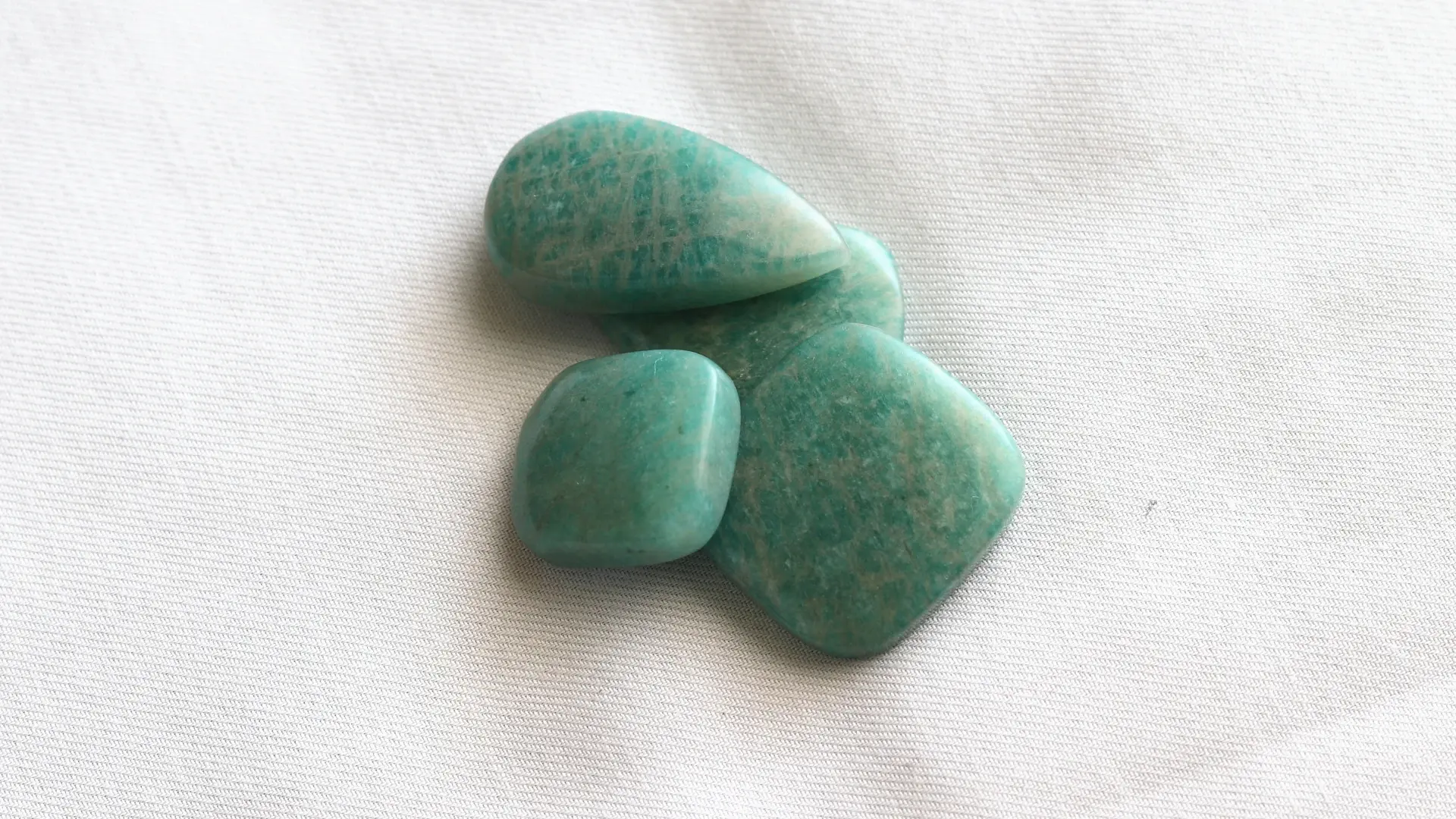
A turquoise-green variety of the feldspar microcline. Despite the name, it does not come from the Amazon.
Amethyst
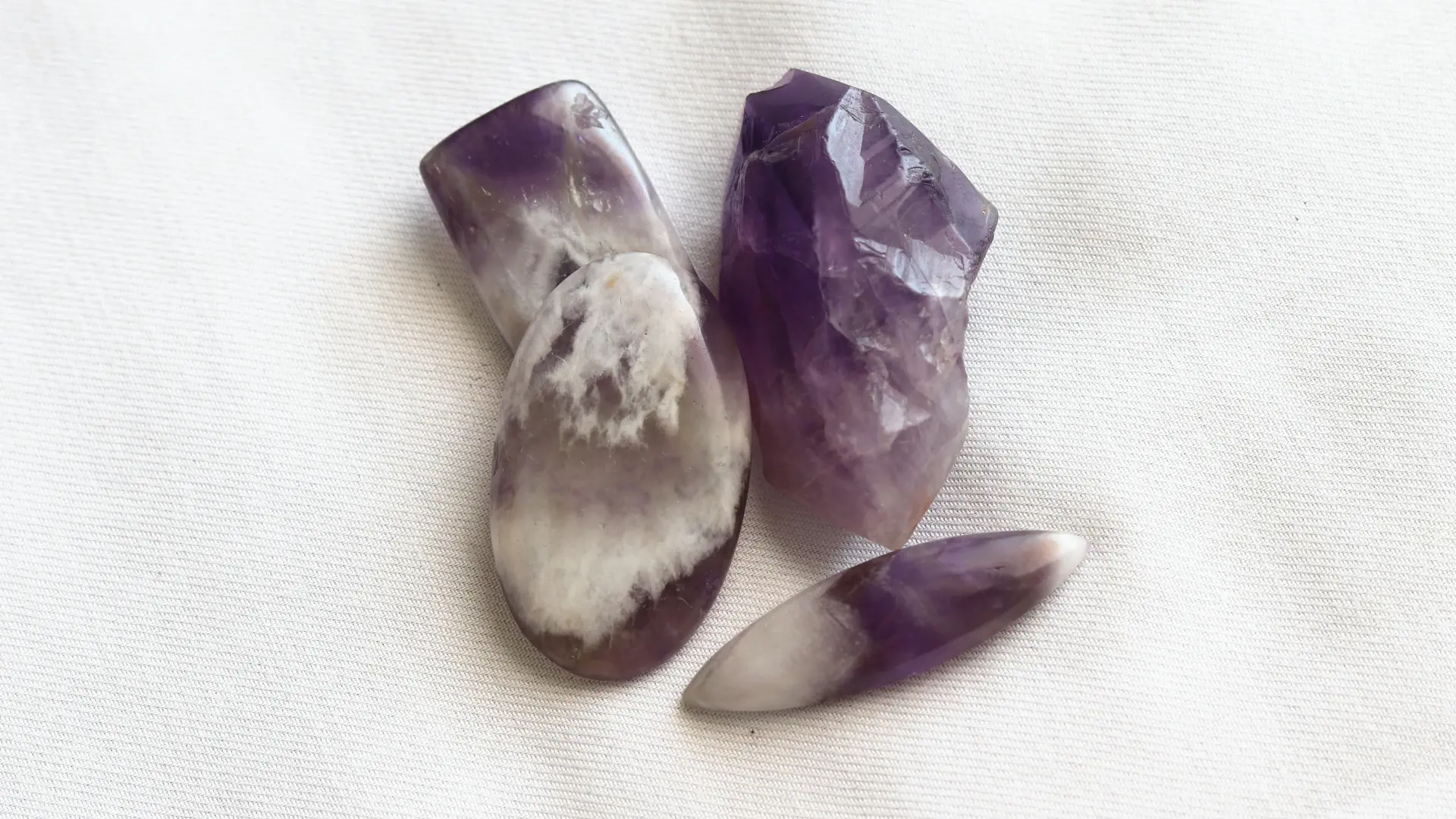
Purple quartz whose Greek name means "not drunk". By the common identification, one of the breastplate stones, and one of the best-loved stones in the world.
Aquamarine
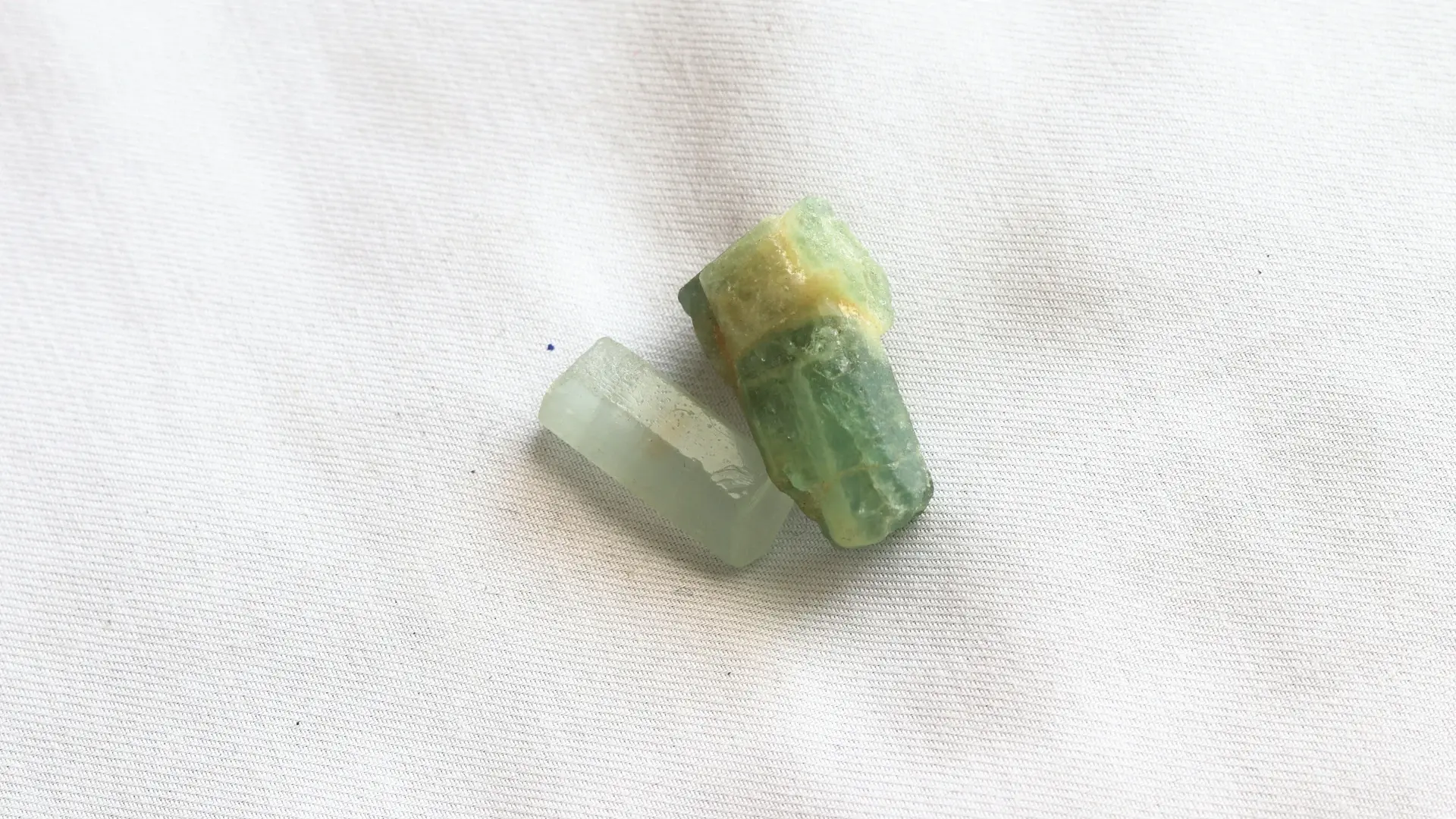
The blue-green variety of beryl, a close relative of emerald. Its name means "seawater".
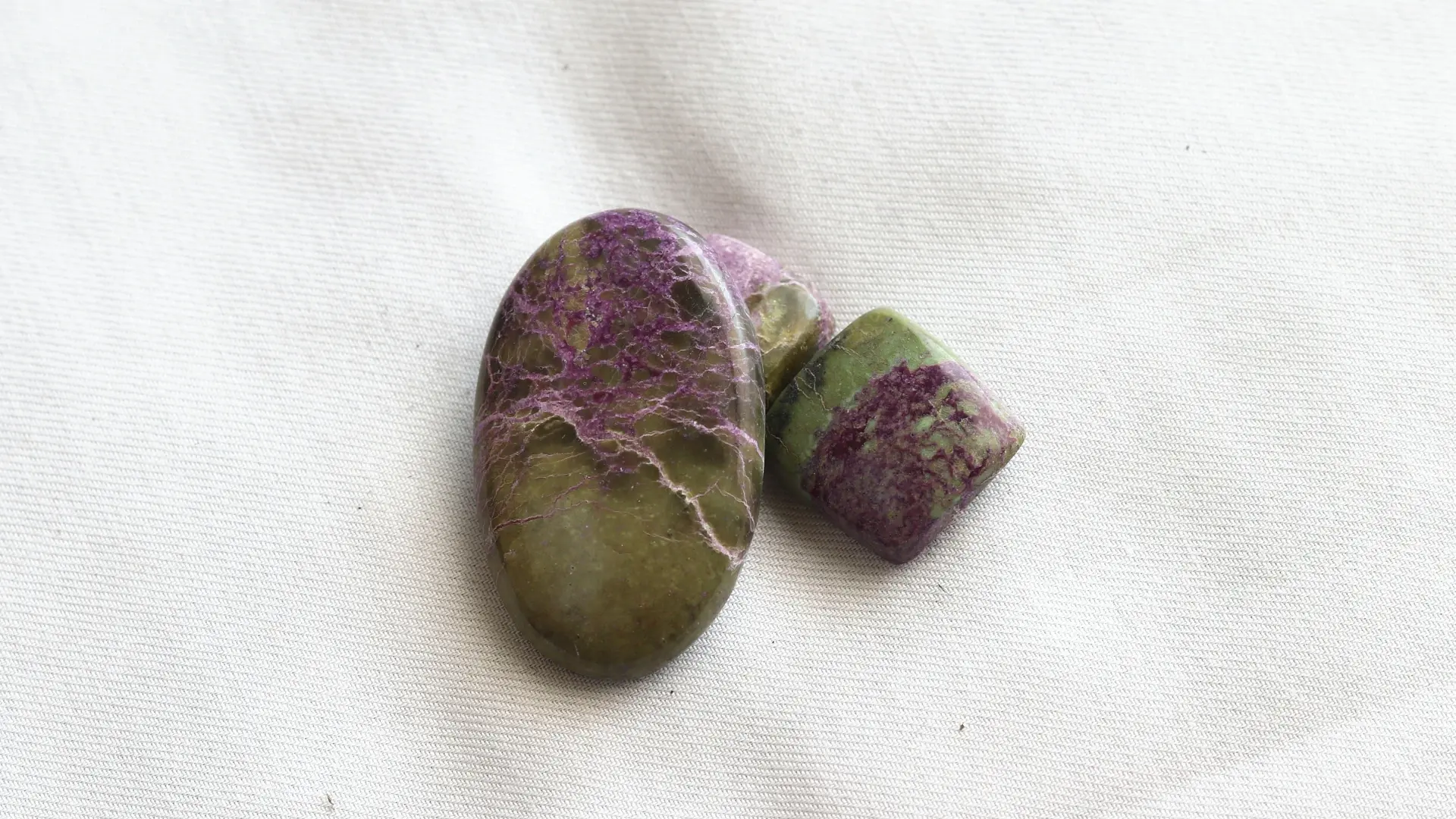
Atlantisite
A natural mix of green serpentine and purple stichtite, from a single hill in Tasmania.