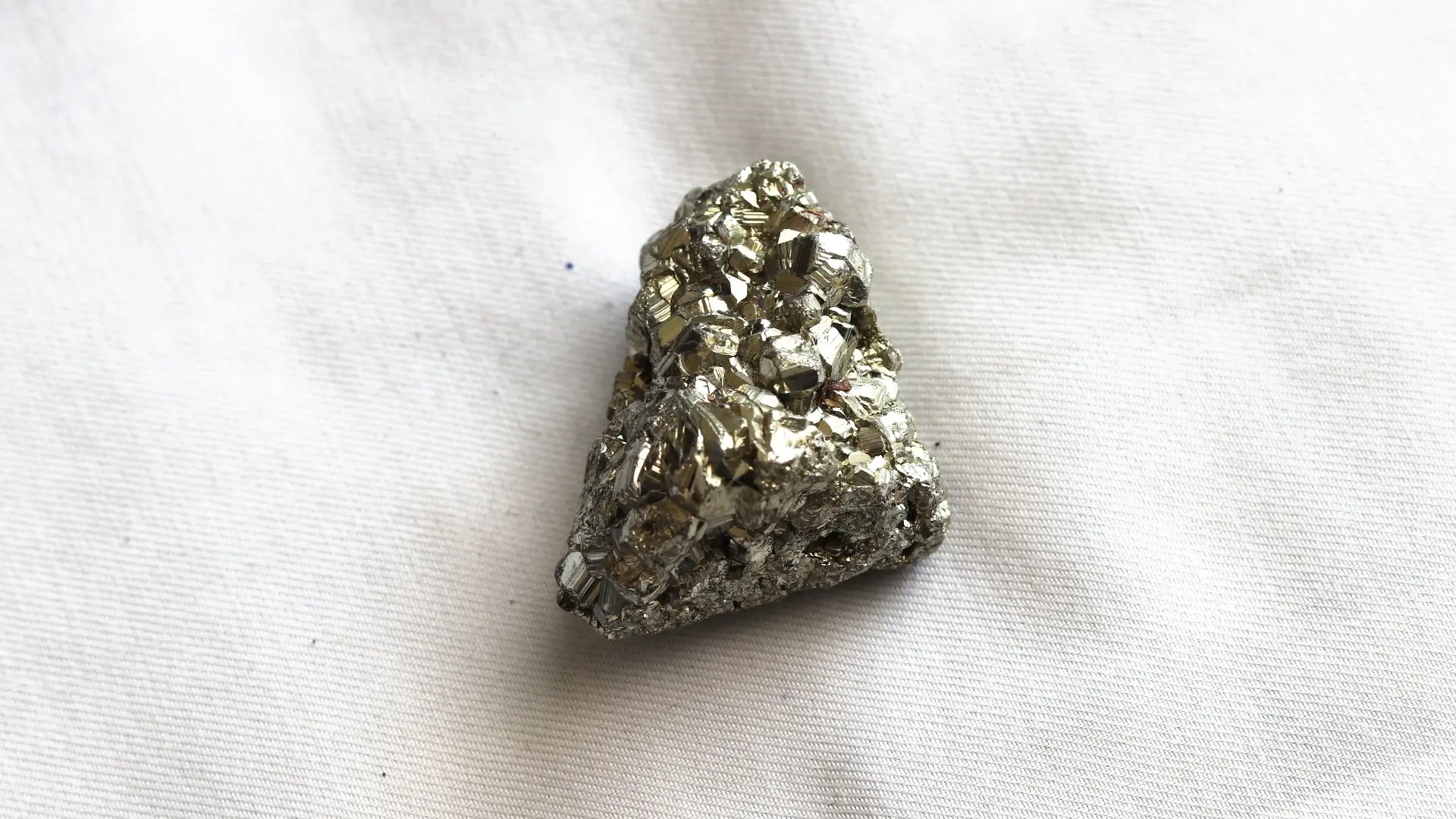
Pyrite
"Fool's gold": an iron and sulfur mineral that looks like gold, strikes sparks, and sometimes hides real gold inside.
Pyrite has a nickname more famous than its name: "fool's gold". Its brassy color and metallic luster fooled plenty of beginner gold prospectors, and that is how the nickname was born. The photo shows a raw lump covered all over in small cube-shaped crystals, each one throwing the light in a different direction. According to Wikipedia, pyrite usually forms cubic crystals, and sometimes twelve-sided shapes too.
The name comes from the Greek word for fire, "pyr", because if you strike pyrite against metal or hard stone, it throws sparks. And that is more than a pretty name. According to Wikipedia, the oldest definite evidence of fire making, from about 400,000 years ago, was found at a Neanderthal site in England, together with two fragments of pyrite used to strike sparks with flint. Ötzi, the Iceman who lived more than five thousand years ago, carried flint, pyrite and a tinder fungus. In the 16th and 17th centuries, pyrite was also used to fire early guns.
Now for the awkward part of the nickname: according to Geology.com, pyrite and gold often form under the same conditions and in the same rocks, and some pyrite contains enough gold to be worth mining, sometimes a quarter of a percent of its weight or more. So whoever found pyrite may not have found gold, but they might be standing right next to it. Telling them apart is easy: gold is soft and bends, and pyrite is brittle and breaks. Rub them on an unglazed porcelain tile, and gold leaves a yellow streak, while pyrite leaves a greenish black one.
In the Victorian era, pyrite was a fashionable jewelry stone. According to Geology.com, most of the jewelry sold then as "marcasite" was actually pyrite. It has just one weakness: moisture. According to Wikipedia, pyrite exposed to air and water slowly breaks down and releases sulfuric acid. So keep it somewhere dry.
It has a local chapter too. According to Hebrew Wikipedia, in 1930 an Englishman named Leonard Lloyd Williams was licensed to produce sulfur south of Gaza, and at depth he found veins containing pyrite. The mine was abandoned, and the site is known today as the Be'eri sulfur quarries.
Crystal traditions
In crystal tradition
According to Crystal Vaults, pyrite is an Earth element stone that also resonates with Fire energy. The site describes it as a stone of action, vitality and will, and as a protective talisman that creates "a defensive shield" against negative energies. According to the site, it stimulates the solar plexus chakra, and golden pyrite is also linked to the sacral chakra.
The site writes that pyrite is not associated with any zodiac sign, and that it is the talisman of "the fire trades": bakers, blacksmiths and firefighters.
According to Wikipedia, in Thailand, especially in the south, pyrite is believed to be a sacred item that protects against evil, black magic and demons.
Sources: Pyrite Uses and Meaning, Crystal Vaults; Pyrite, Wikipedia
Scientific information
Properties
Chemistry: iron disulfide, FeS₂. The most common sulfide mineral.
Crystal system: cubic (isometric). Cubes, octahedrons or twelve-sided pyritohedrons, often with striated faces.
Mohs hardness: 6 to 6.5.
Specific gravity: 4.9 to 5.2.
Luster: metallic. Opaque.
Color: brass yellow, often tarnished to dull brass.
Streak: greenish black to brownish black.
Fracture: conchoidal, no cleavage.
Stability: oxidizes in damp air and releases sulfuric acid. Best kept dry.
Sources: Pyrite Mineral | Uses and Properties, Geology.com; Pyrite, Wikipedia; פיריט, ויקיפדיה
Associations
Different traditions associate this stone with different things, and they sometimes conflict. Each association is shown with its tradition and sources.
Element
EarthCrystal tradition
Element
FireCrystal tradition
According to the source, pyrite is an Earth element stone that also resonates with Fire energy.
Chakra
Solar PlexusCrystal tradition
Chakra
SacralCrystal tradition
According to the source, golden pyrite in particular.
Sources
- Pyrite Mineral | Uses and Properties, Geology.comAccessed September 24, 2026
- Pyrite, WikipediaAccessed September 24, 2026
- פיריט, ויקיפדיהAccessed September 24, 2026
- Pyrite Uses and Meaning, Crystal VaultsAccessed September 24, 2026
More crystals
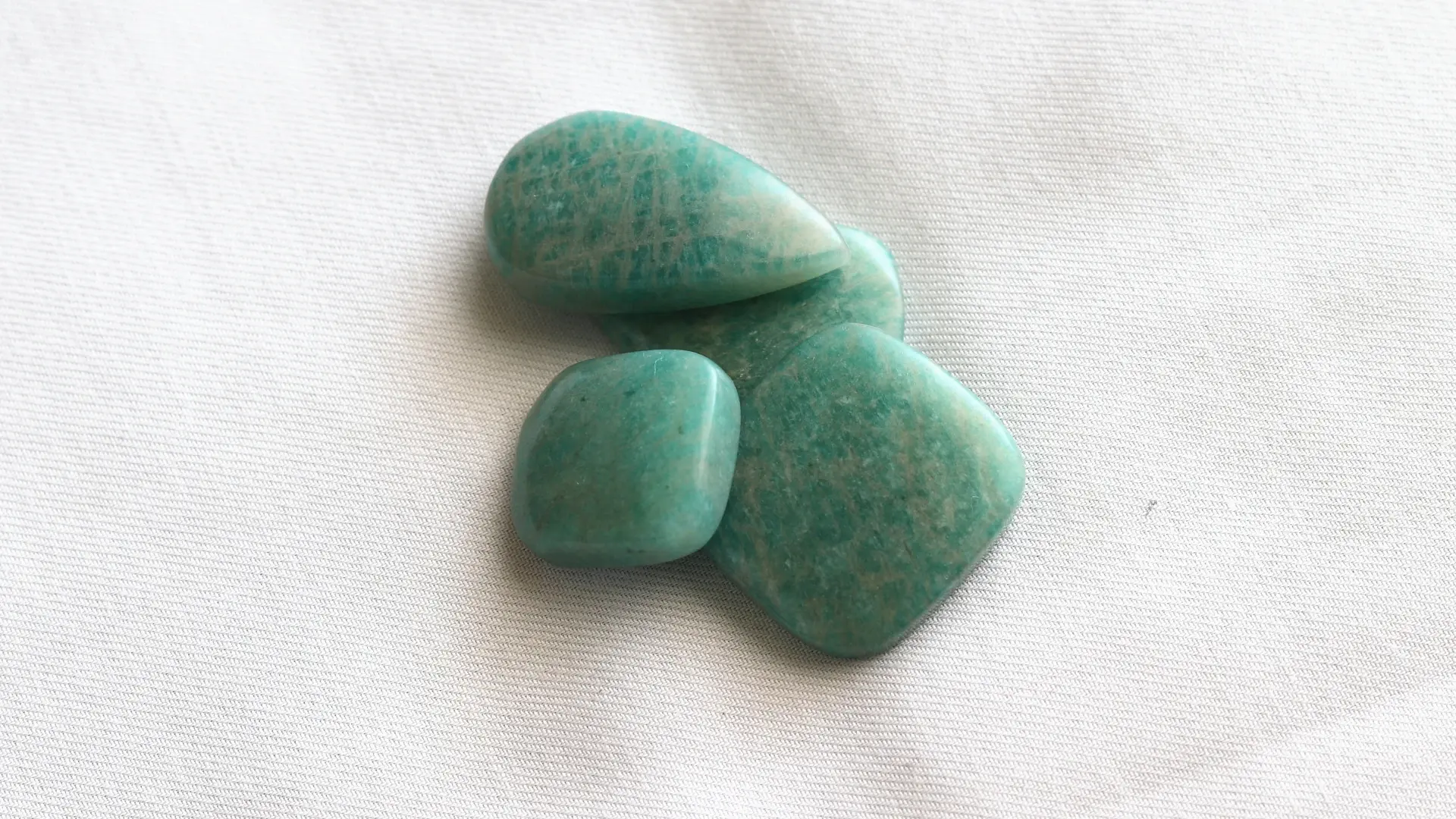
Amazonite
A turquoise-green variety of the feldspar microcline. Despite the name, it does not come from the Amazon.
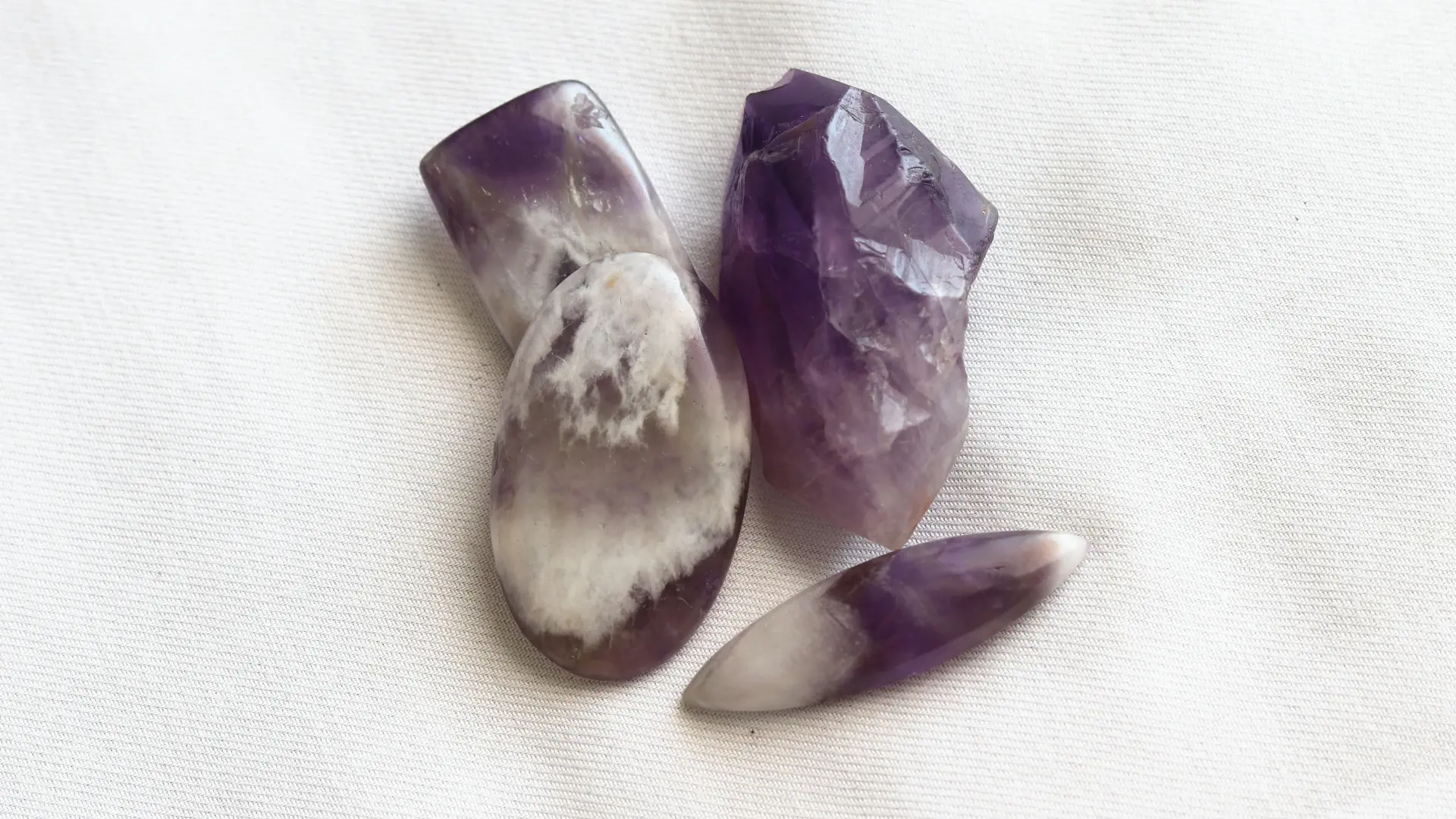
Amethyst
Purple quartz whose Greek name means "not drunk". By the common identification, one of the breastplate stones, and one of the best-loved stones in the world.
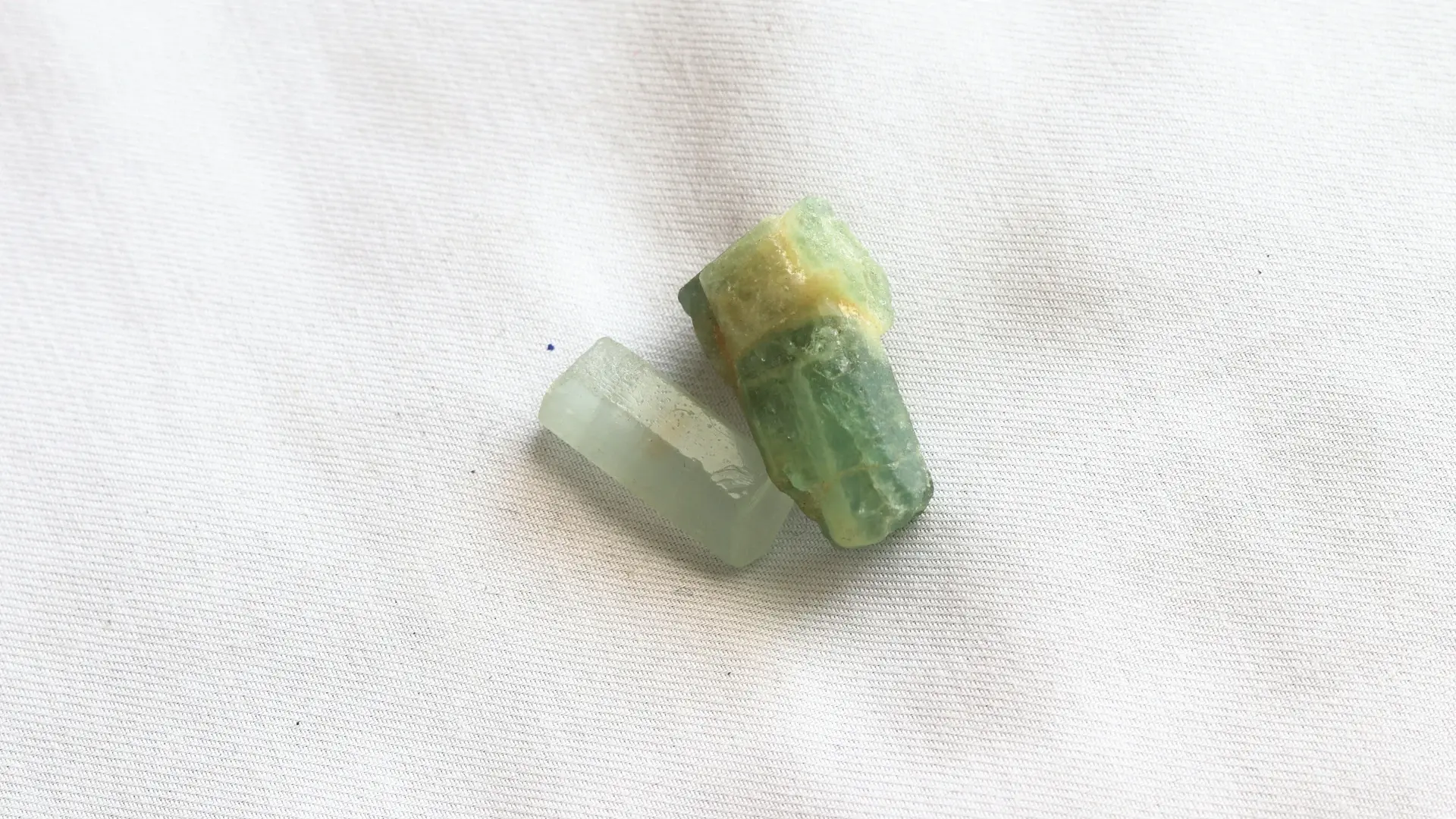
Aquamarine
The blue-green variety of beryl, a close relative of emerald. Its name means "seawater".
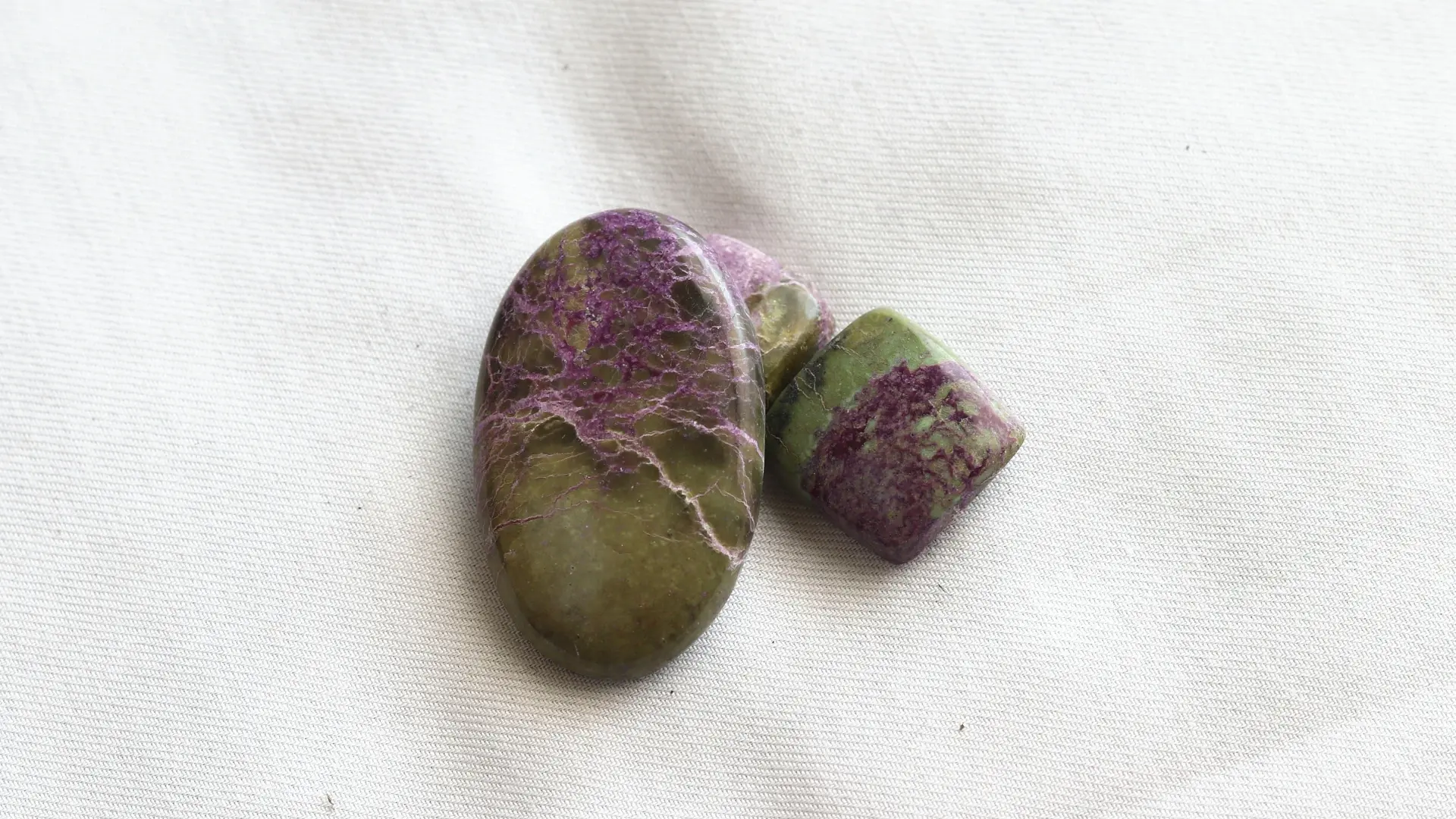
Atlantisite
A natural mix of green serpentine and purple stichtite, from a single hill in Tasmania.