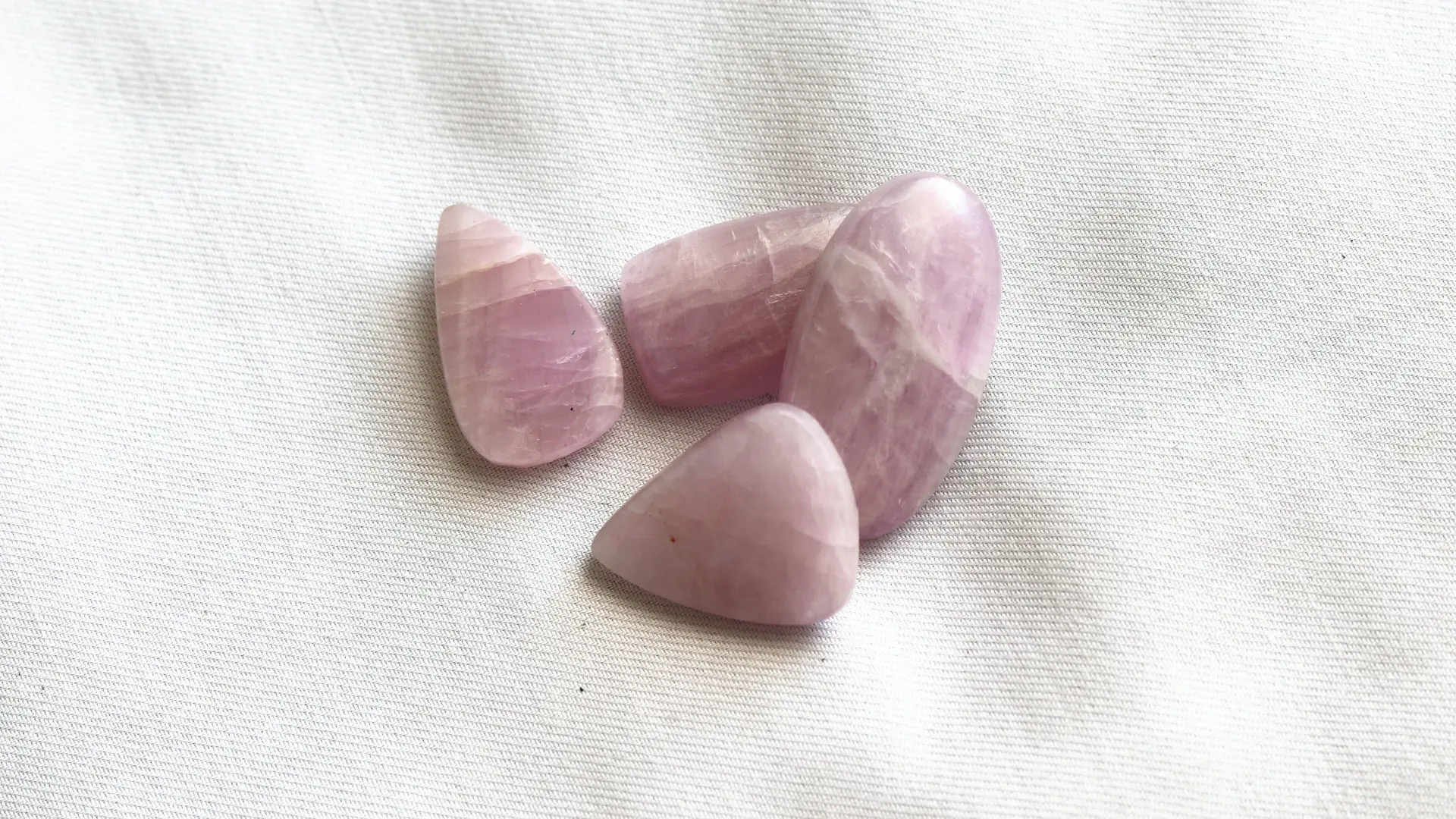
Kunzite
The pink-violet variety of spodumene, a lithium mineral. Pretty, delicate, and not a big fan of sunshine.
Kunzite is the pink to light violet variety of the mineral spodumene. Its color comes from small amounts of manganese, and its shades range from pale pink to lilac, like the stones in the photo.
It was recognized as a separate variety around 1902 and named after George Frederick Kunz, the chief jeweler at Tiffany & Co. at the time. Not everyone gets a gemstone named after them.
Kunzite has an interesting property called pleochroism: its color changes with the angle you look at it from. From one direction it is violet, from another almost colorless. That is why cutters orient it carefully, so the strongest color faces the viewer. Its two cleavage directions do not make their job any easier.
Now for the warning: kunzite can fade in sunlight. It is not a stone for the kitchen windowsill, and it is best worn in the evening and kept in the dark. If you wanted a pink stone that does not mind the light, rose quartz is waiting for you on another page.
And a fact from the modern world: spodumene is a commercially important source of lithium, which is used in batteries and mobile phones. So in a way, this stone's cousins are in your pocket right now.
Crystal traditions
In crystal tradition
Crystal Vaults describes kunzite as "a Stone of Emotion" that opens the heart and connects it to the mind, and also calls it the "Woman's Stone". The site links it to the heart and crown chakras and to fire energy.
The site also warns that all kunzite can fade in direct sunlight.
Sources: Kunzite Healing Properties, Meanings, and Uses, Crystal Vaults
Scientific information
Properties
Chemistry: lithium aluminium silicate, LiAl(SiO₃)₂. A variety of spodumene.
Mohs hardness: 6.5 to 7.
Specific gravity: 3.03 to 3.23.
Crystal system: monoclinic. Crystals tend to be blade-shaped.
Color cause: small amounts of manganese. The color can fade in sunlight.
Strong pleochroism and two cleavage directions.
Formation: in pegmatites, often with tourmaline and beryl. San Diego County, California, is an important source.
Sources: Kunzite, GIA; Spodumene, Wikipedia; ספודומן, ויקיפדיה
Associations
Different traditions associate this stone with different things, and they sometimes conflict. Each association is shown with its tradition and sources.
Element
FireCrystal tradition
Sources: Kunzite Healing Properties, Meanings, and Uses, Crystal Vaults
Chakra
HeartCrystal tradition
Sources: Kunzite Healing Properties, Meanings, and Uses, Crystal Vaults
Chakra
CrownCrystal tradition
Sources: Kunzite Healing Properties, Meanings, and Uses, Crystal Vaults
Sources
- Kunzite, GIAAccessed September 24, 2026
- Spodumene, WikipediaAccessed September 24, 2026
- ספודומן, ויקיפדיהAccessed September 24, 2026
- Kunzite Healing Properties, Meanings, and Uses, Crystal VaultsAccessed September 24, 2026
More crystals
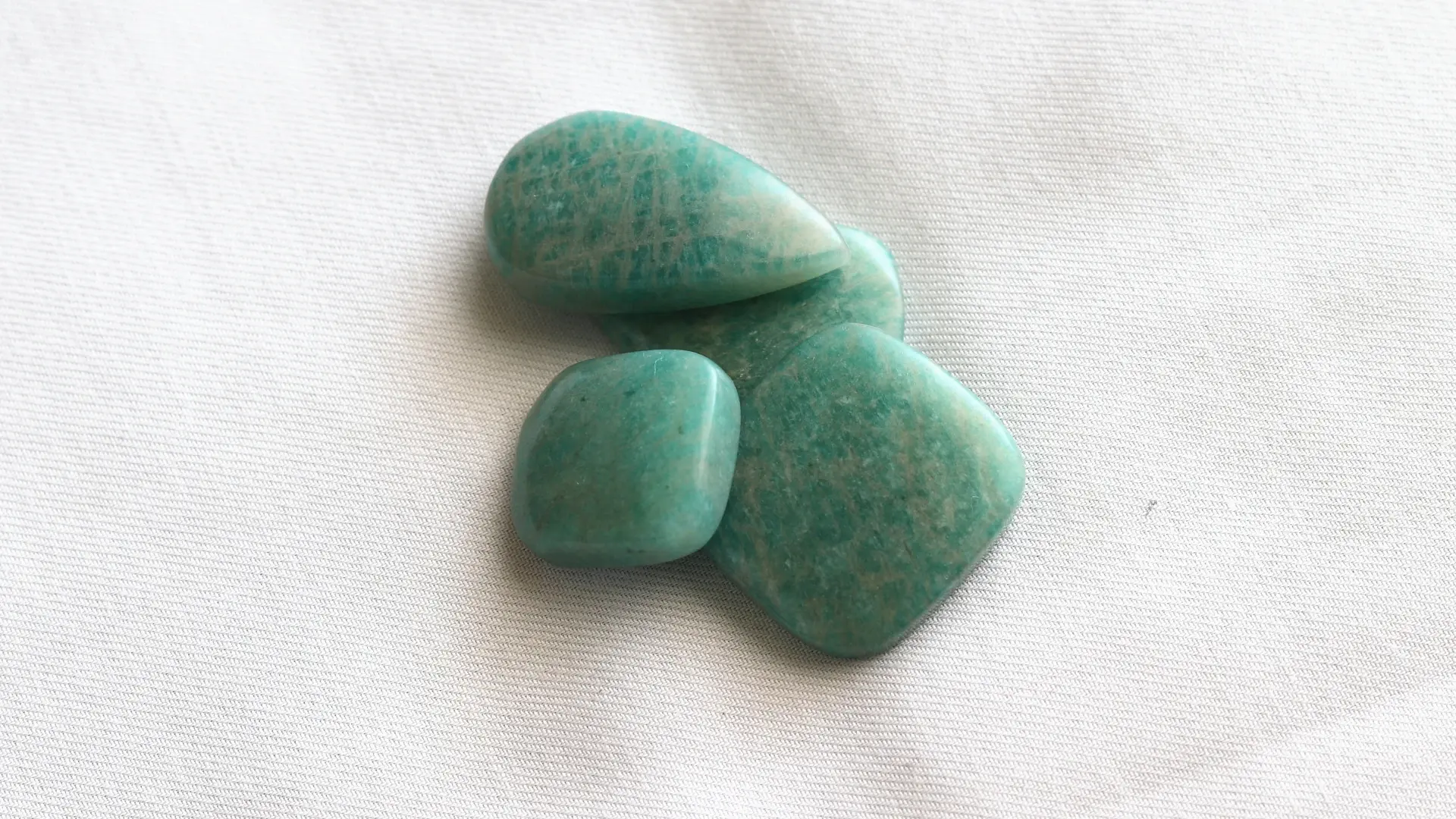
Amazonite
A turquoise-green variety of the feldspar microcline. Despite the name, it does not come from the Amazon.
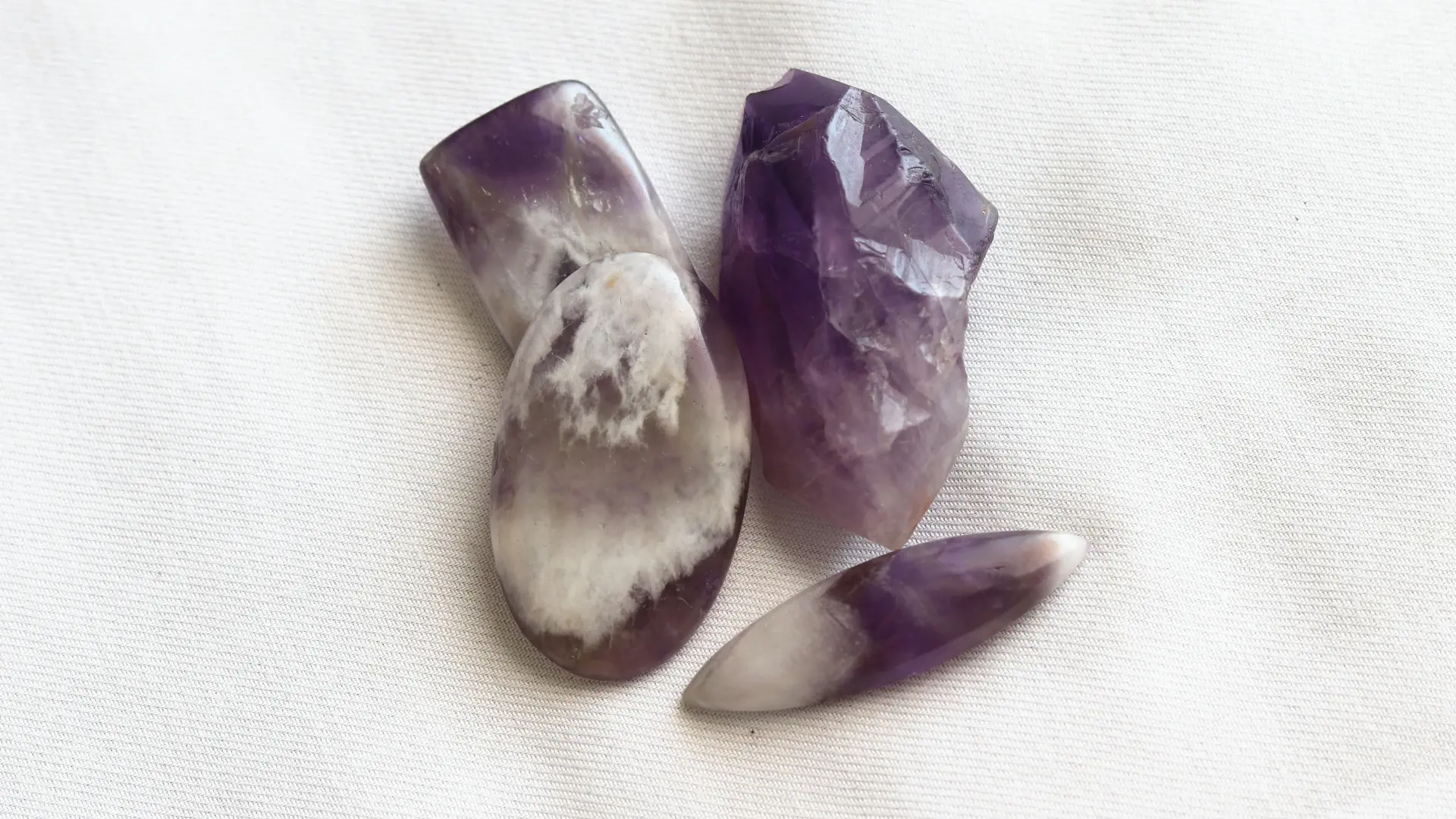
Amethyst
Purple quartz whose Greek name means "not drunk". By the common identification, one of the breastplate stones, and one of the best-loved stones in the world.
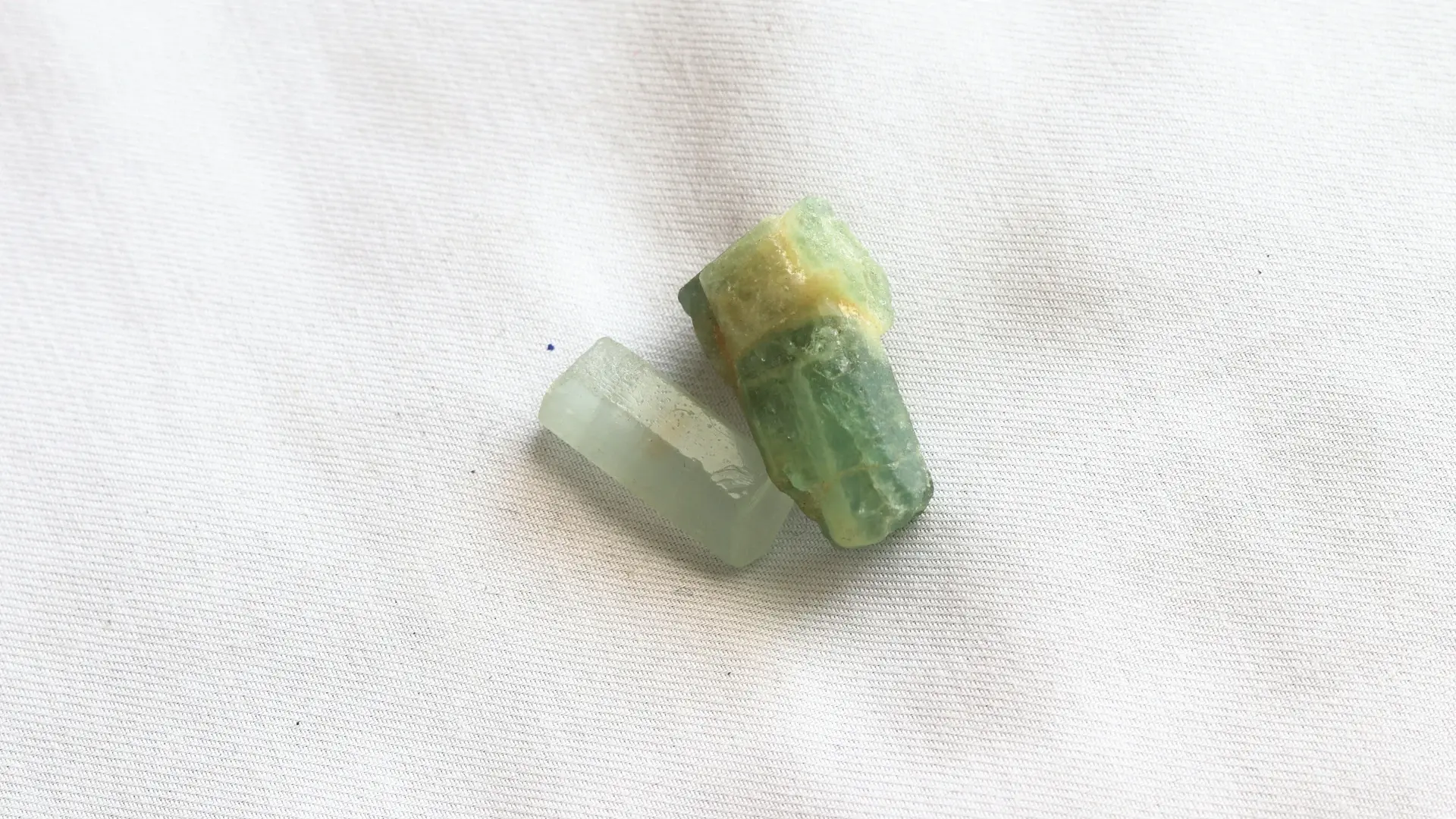
Aquamarine
The blue-green variety of beryl, a close relative of emerald. Its name means "seawater".
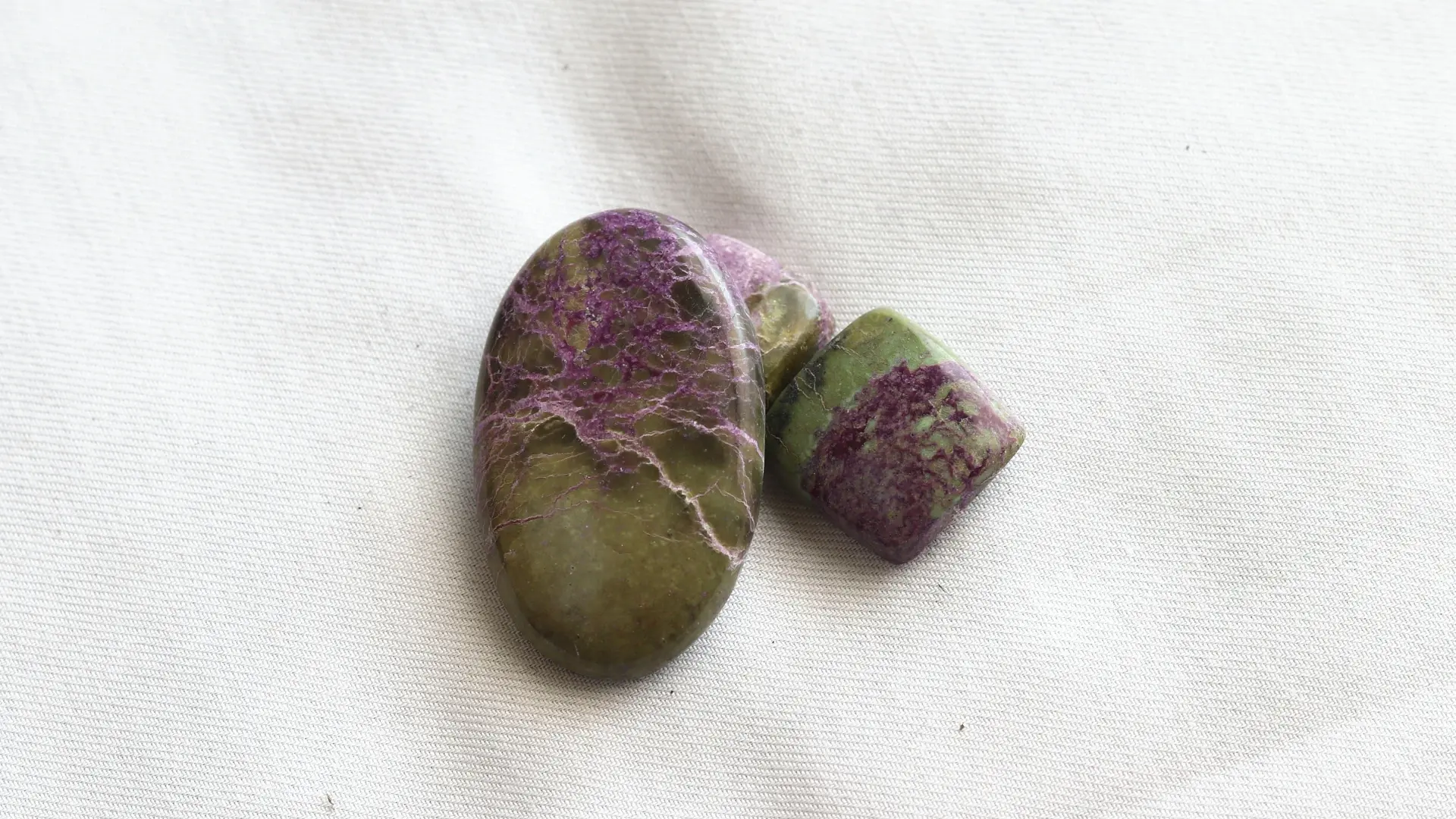
Atlantisite
A natural mix of green serpentine and purple stichtite, from a single hill in Tasmania.