All crystals
Search by name in English or Hebrew, and sort by name or by when a crystal was added.
Search by name in English or Hebrew, and sort by name or by when a crystal was added.
36 crystals
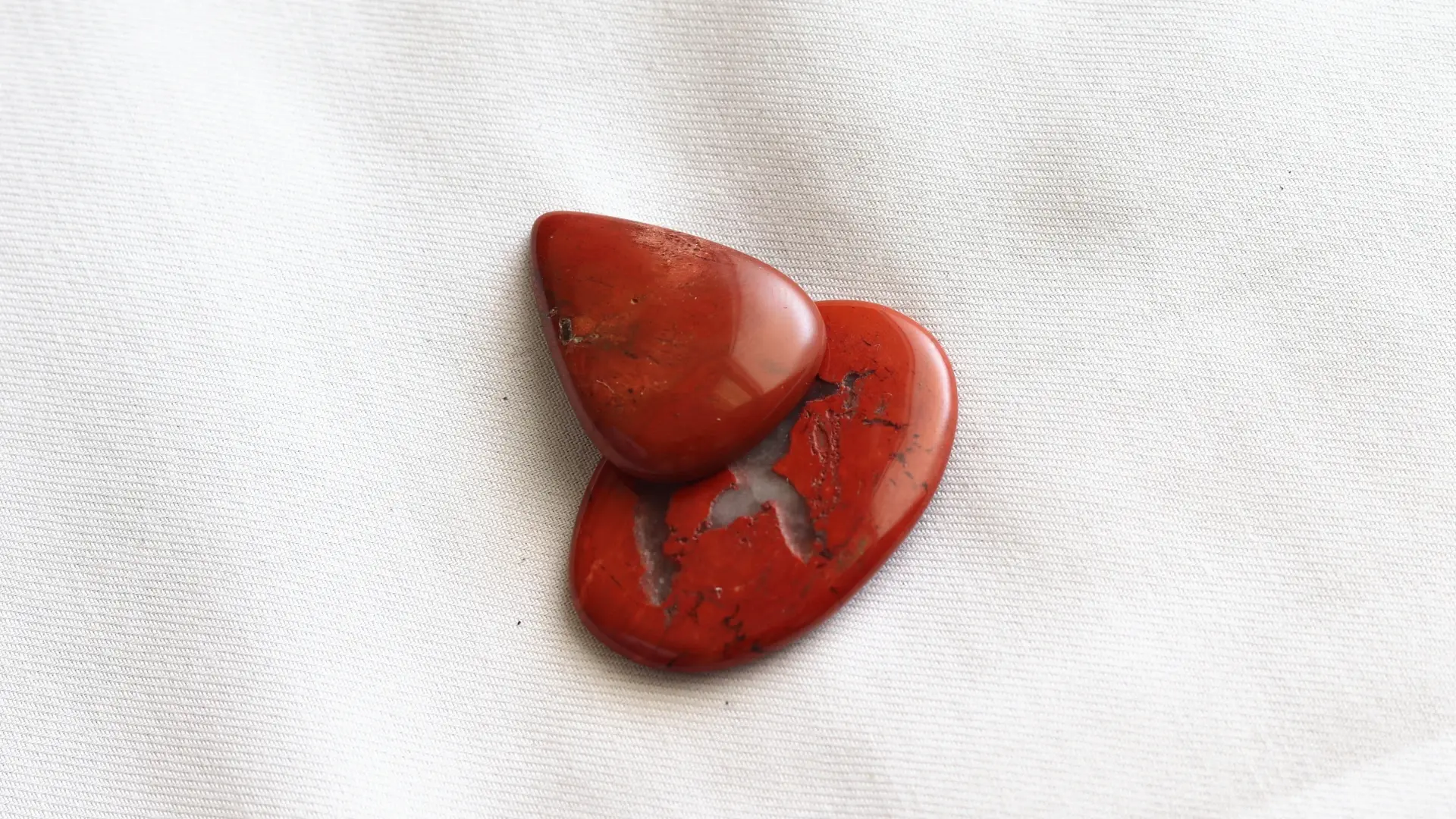
Opaque quartz colored red by iron, with a Hebrew name that made it all the way to Europe, and perhaps two places in the breastplate.
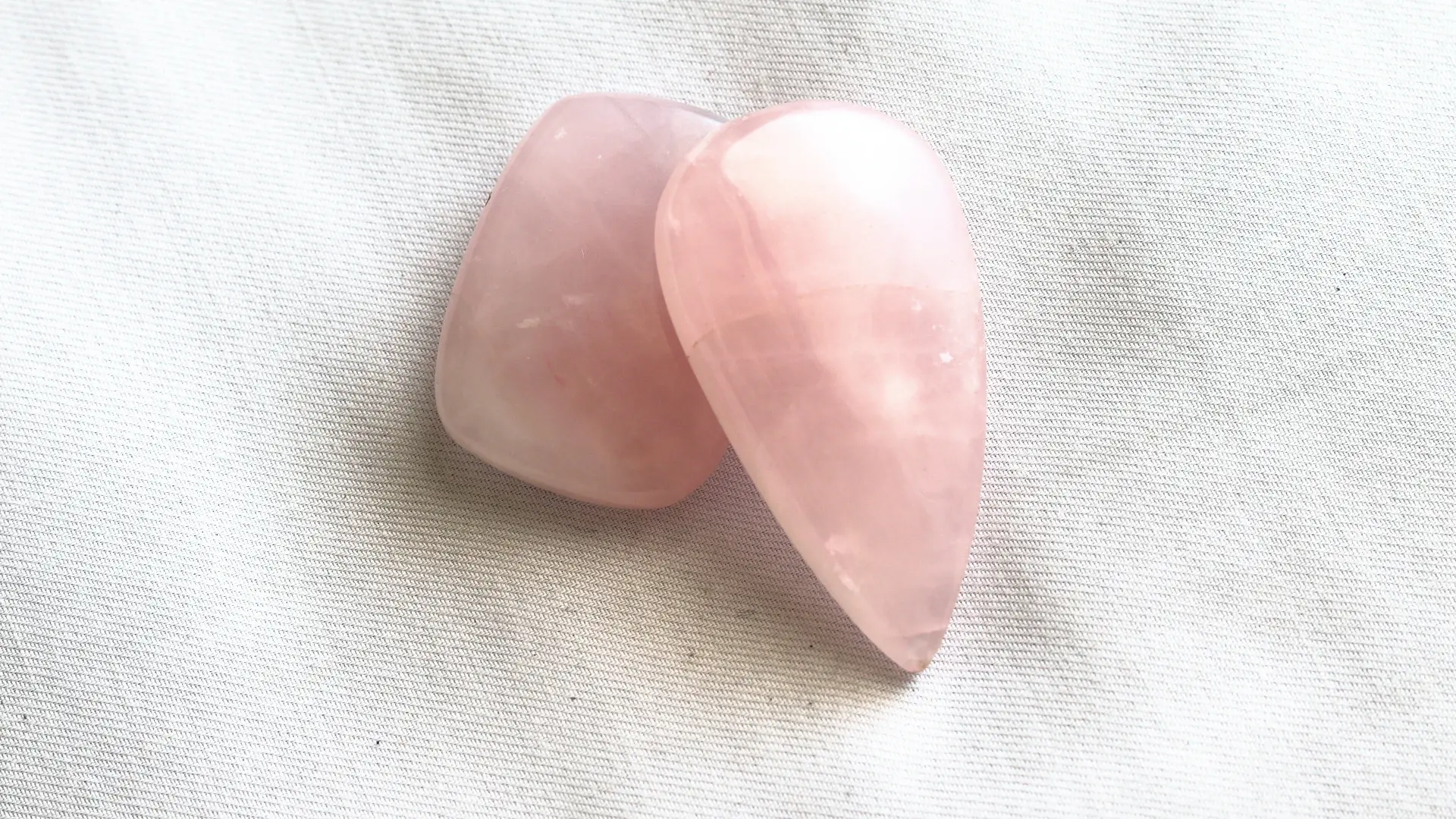
Quartz in a soft shade of pink, colored by microscopic mineral fibers. Also known as the "love stone".
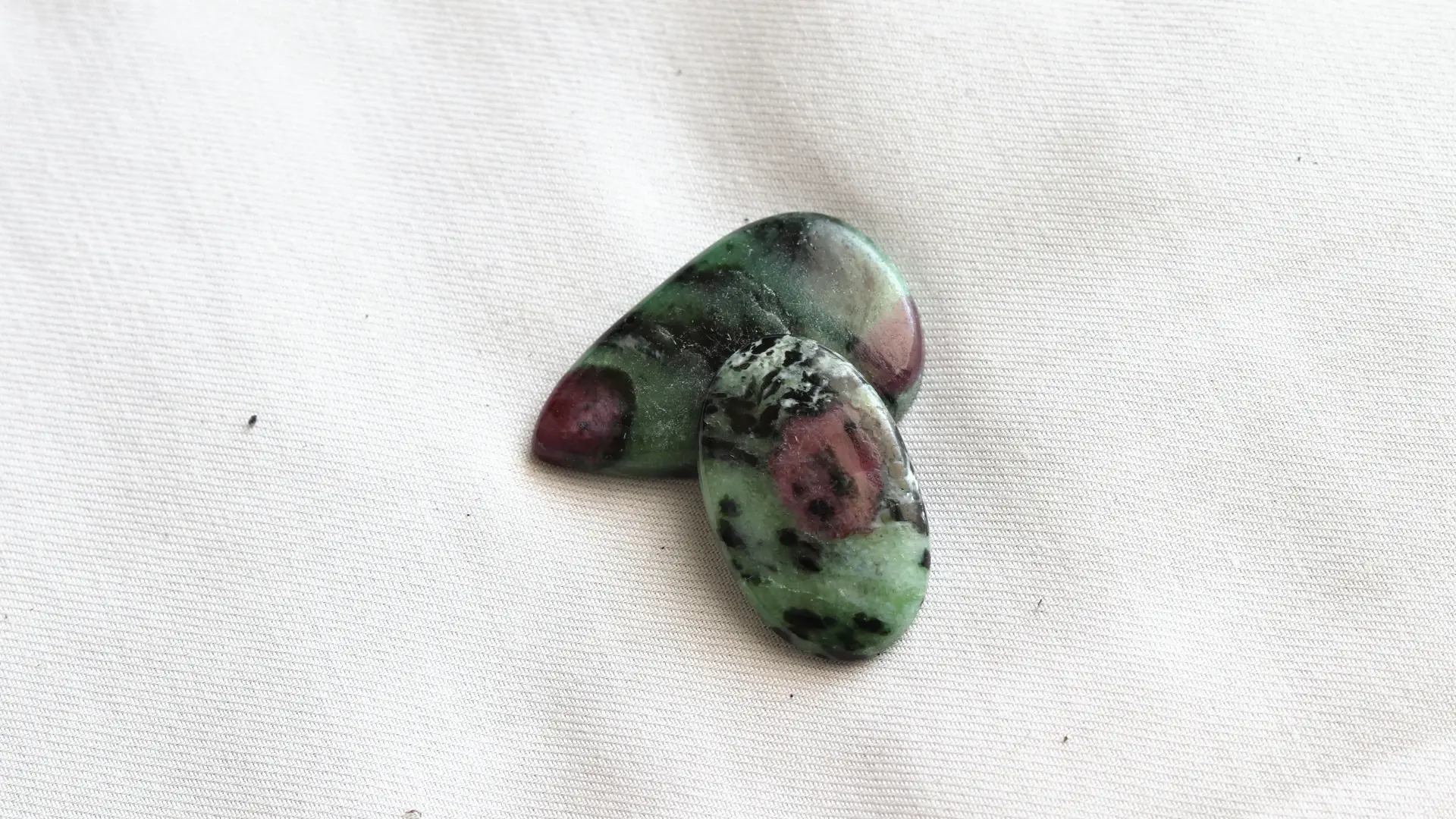
A green rock from Tanzania with real ruby crystals inside. Someone once even tried to value one at £11 million.
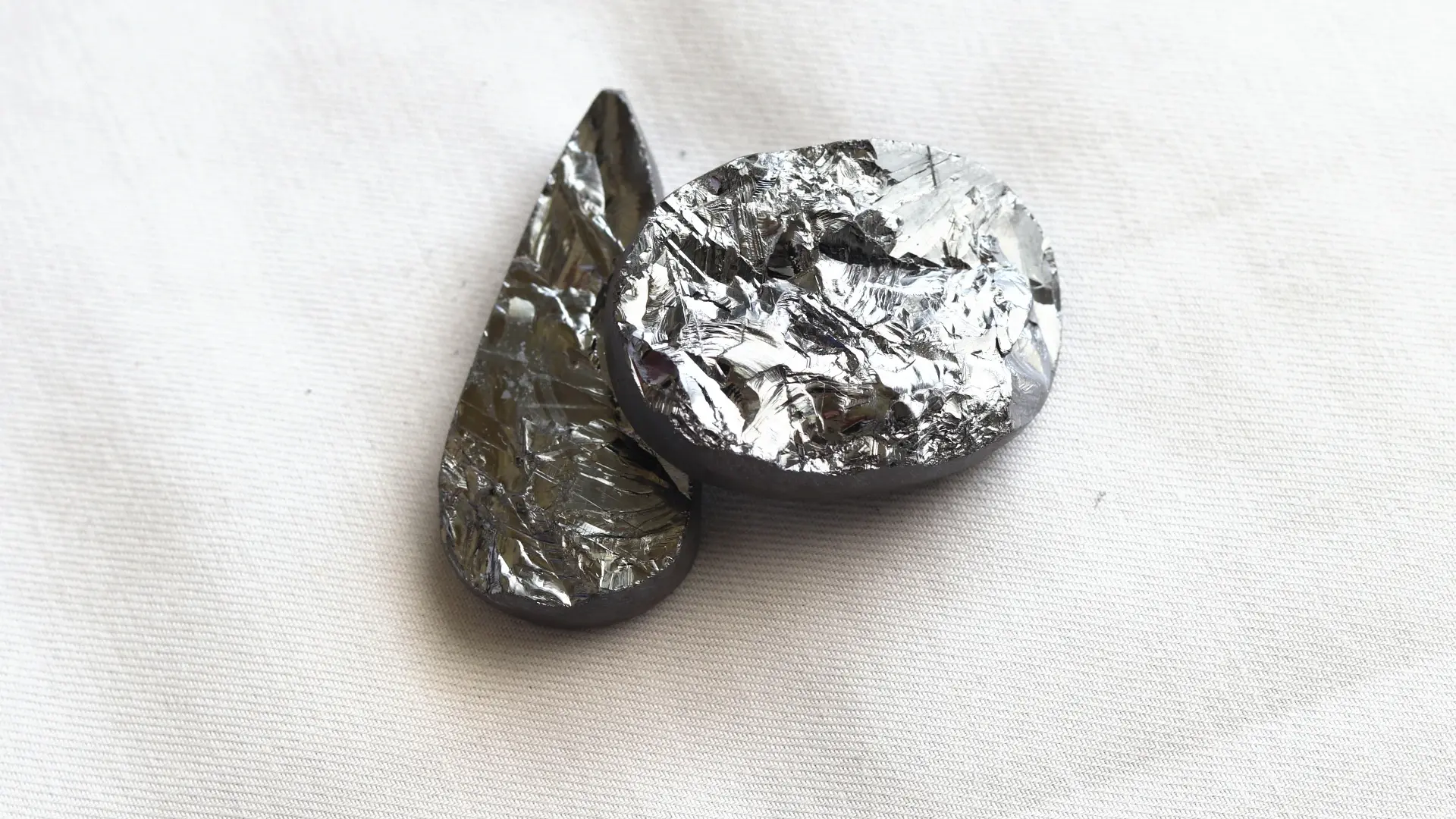
The element hiding in almost every stone, but almost never found alone in nature. These pieces were made by people.
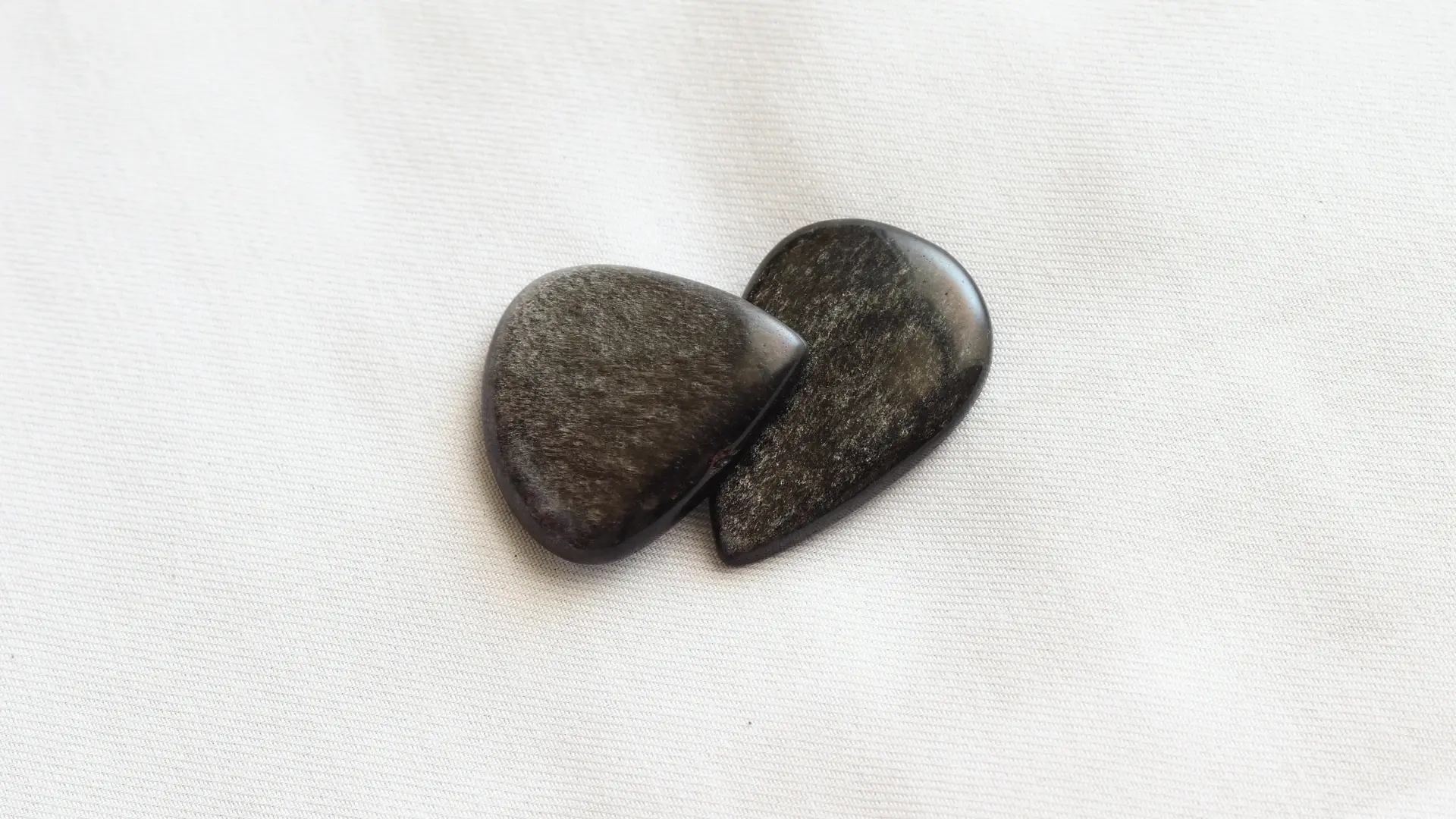
Natural glass from a volcano, with a silver sheen that comes and goes as you turn it. Sharp enough for surgeons to use.
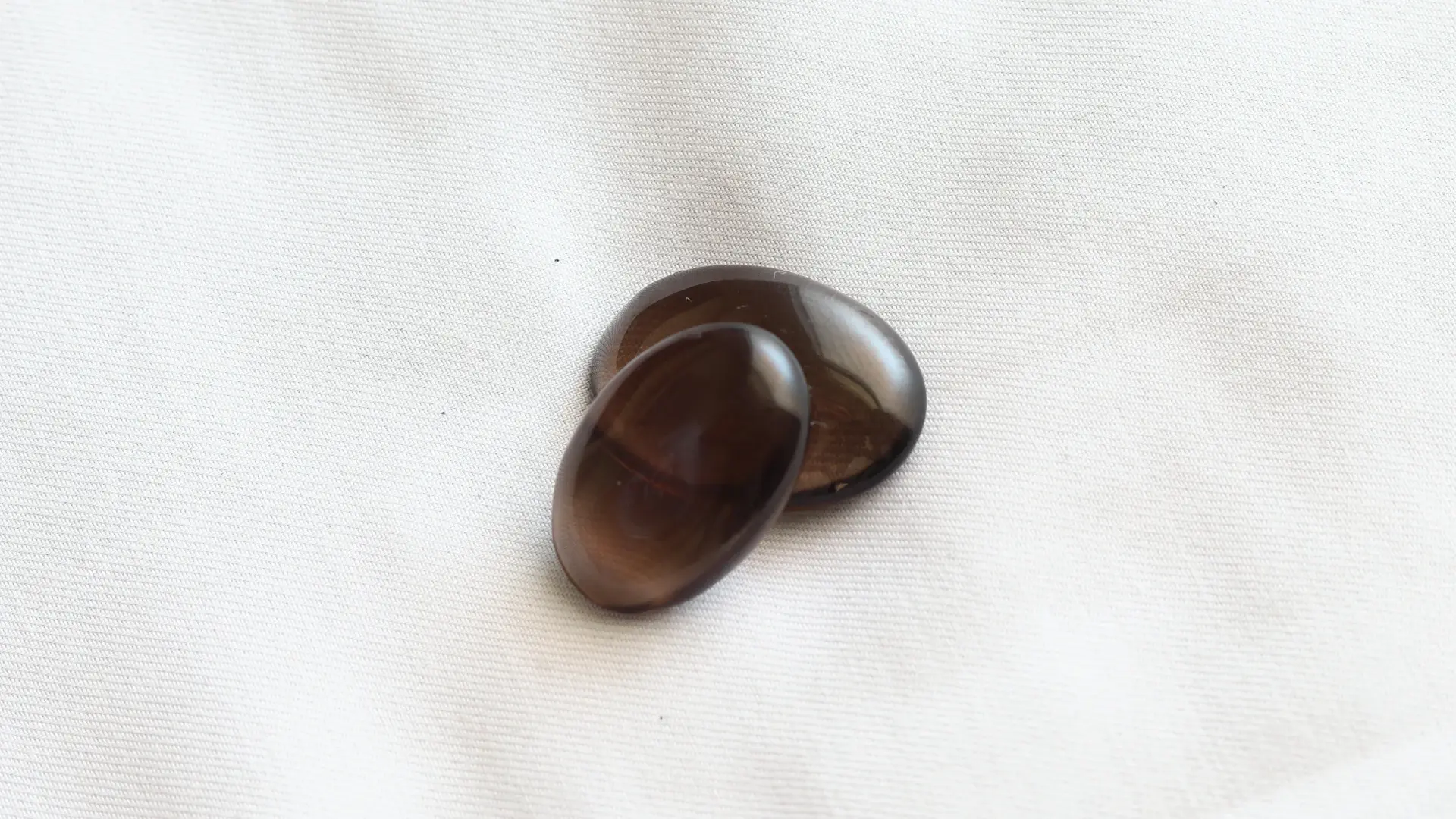
Brown, transparent quartz colored by natural radiation. In 12th-century China it was made into sunglasses for judges.
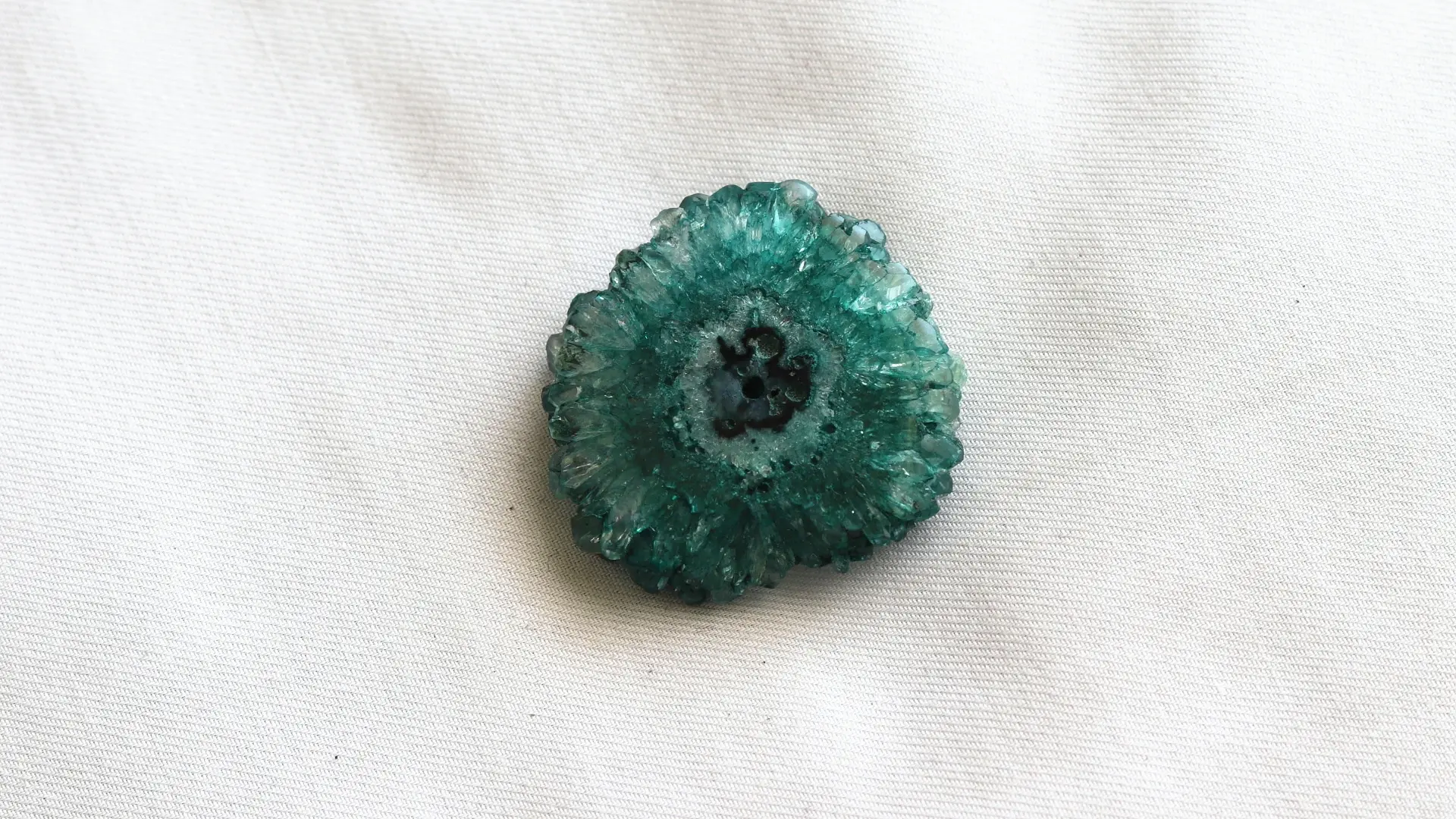
A slice of a quartz stalactite, with crystals radiating from the center like sunrays. The teal color probably came later.
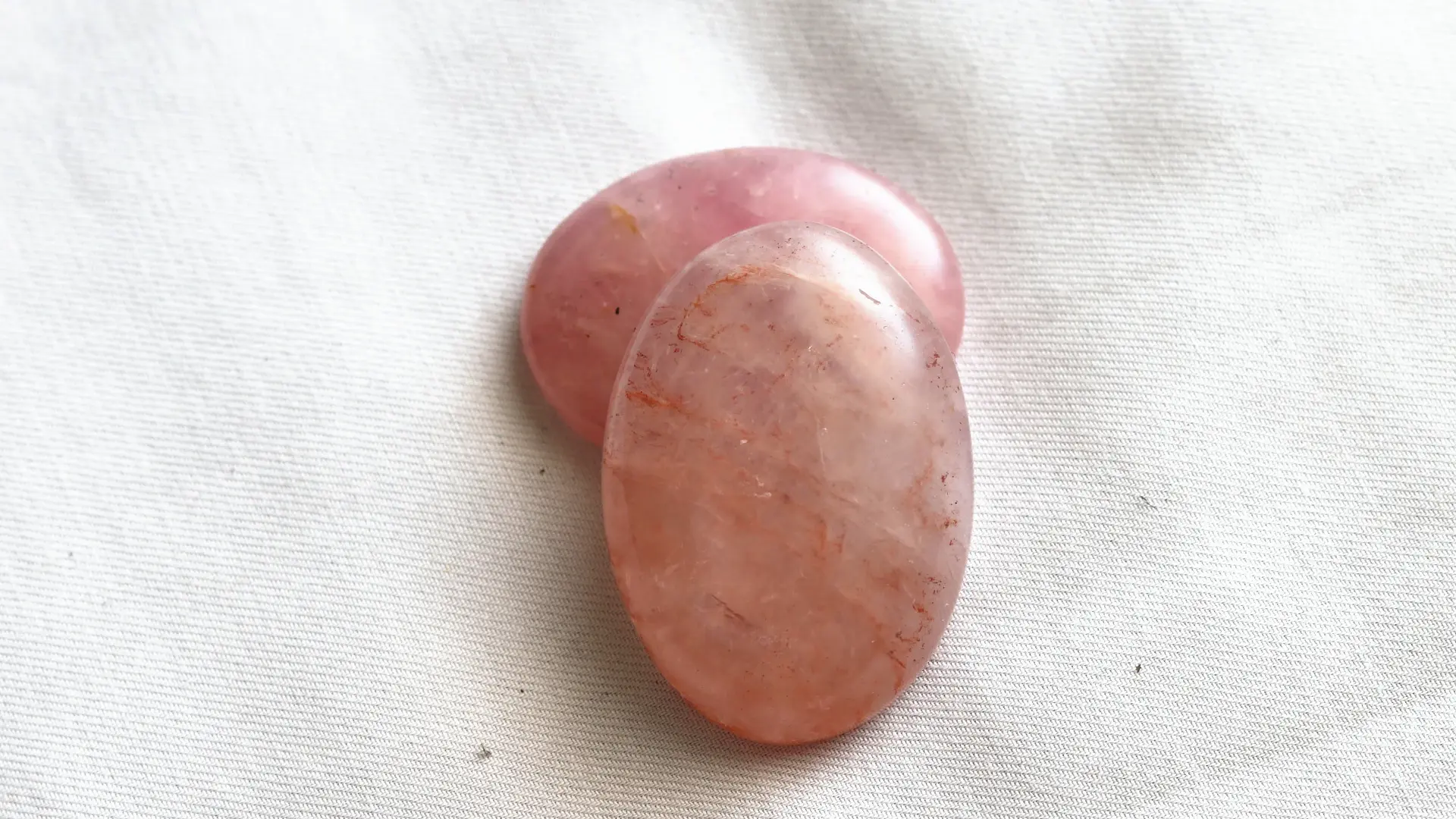
Pink to red quartz colored by inclusions that look like strawberry seeds. Also one of the stones most often imitated in glass.
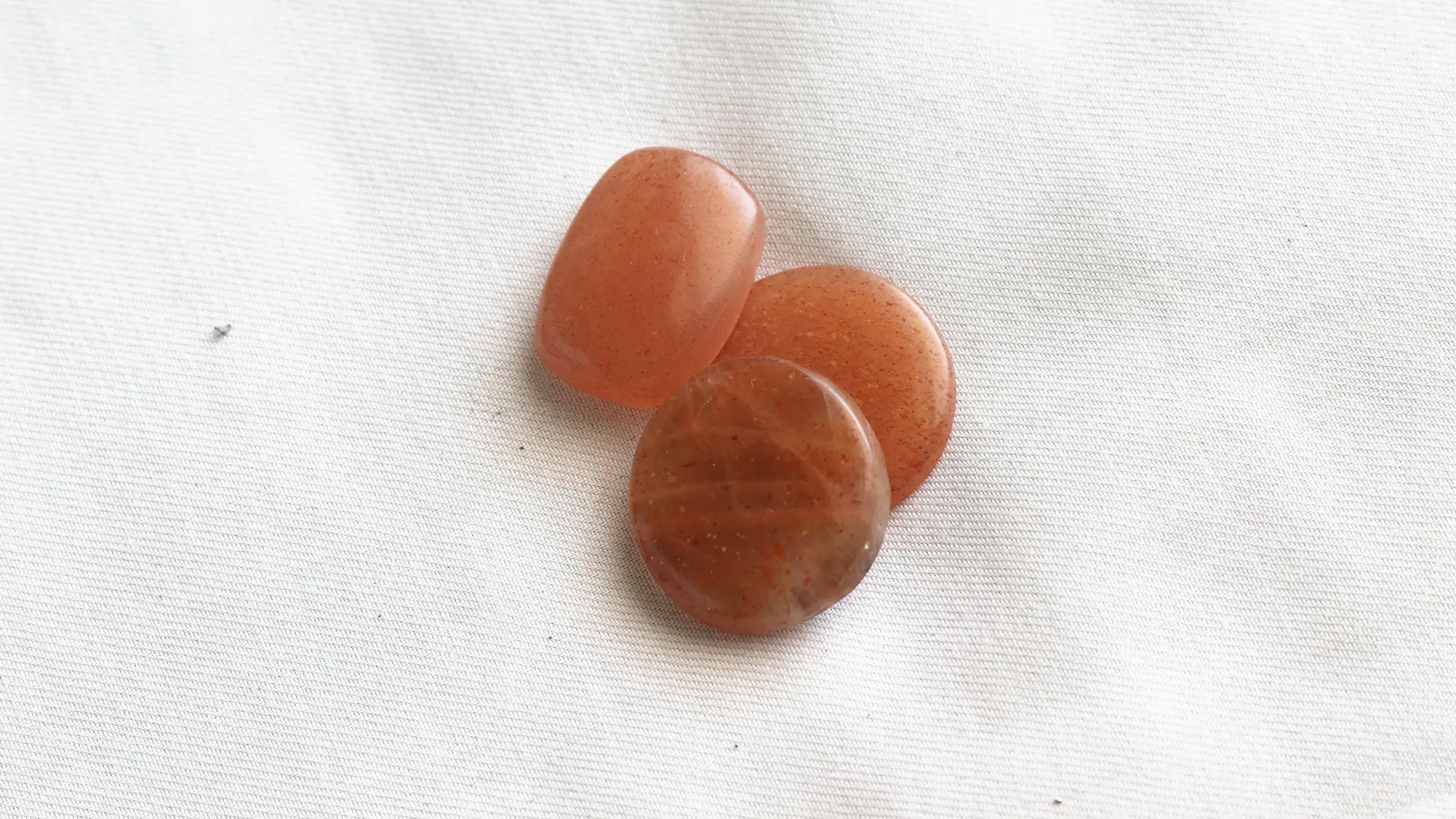
An orange feldspar that glitters from within, thanks to tiny plates of copper or hematite. Legend says it fell from the sun.
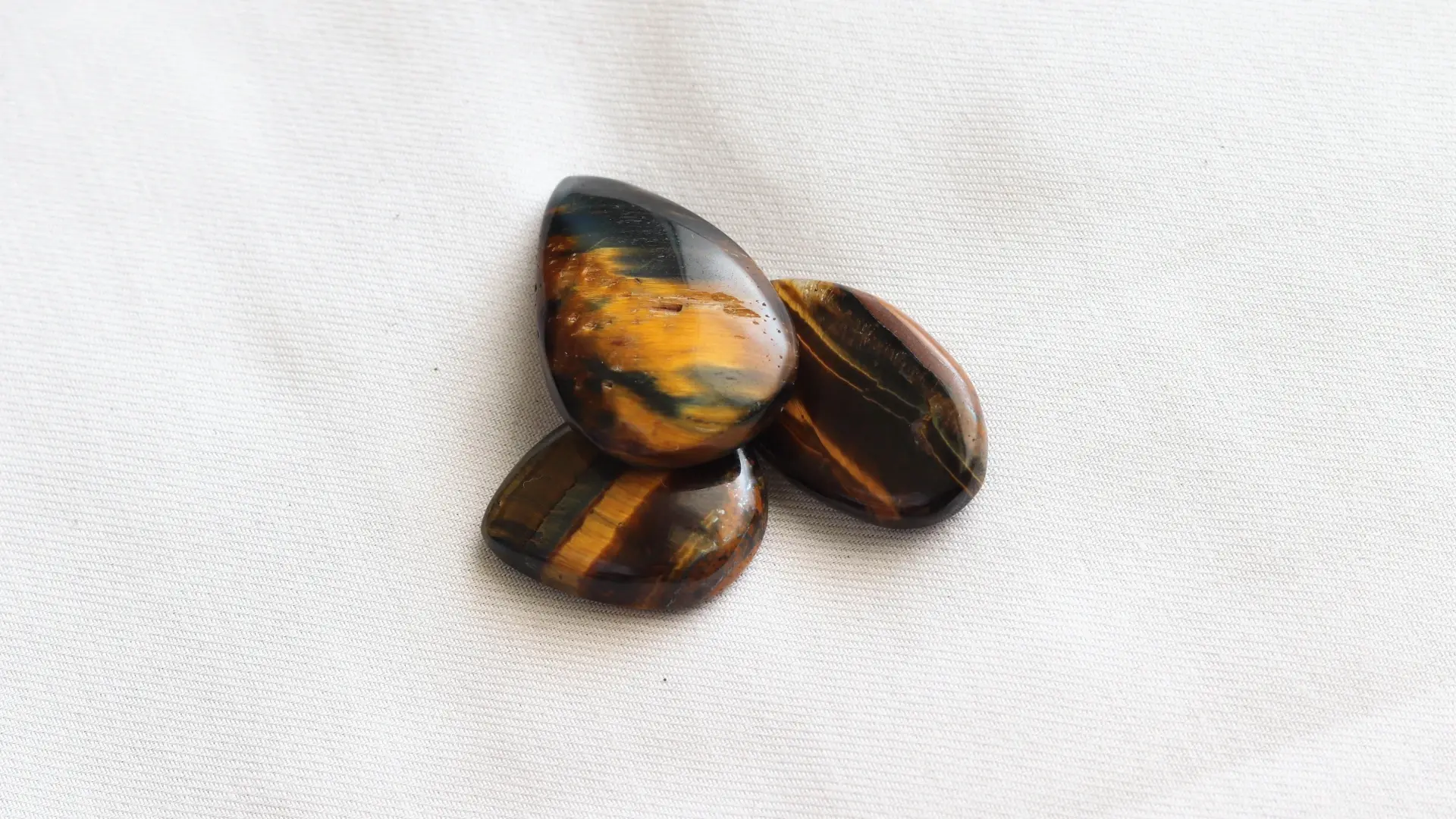
Golden quartz with a silky shine that moves as the stone moves. For over a century everyone explained how it forms, until in 2003 someone looked under a microscope and challenged the explanation.
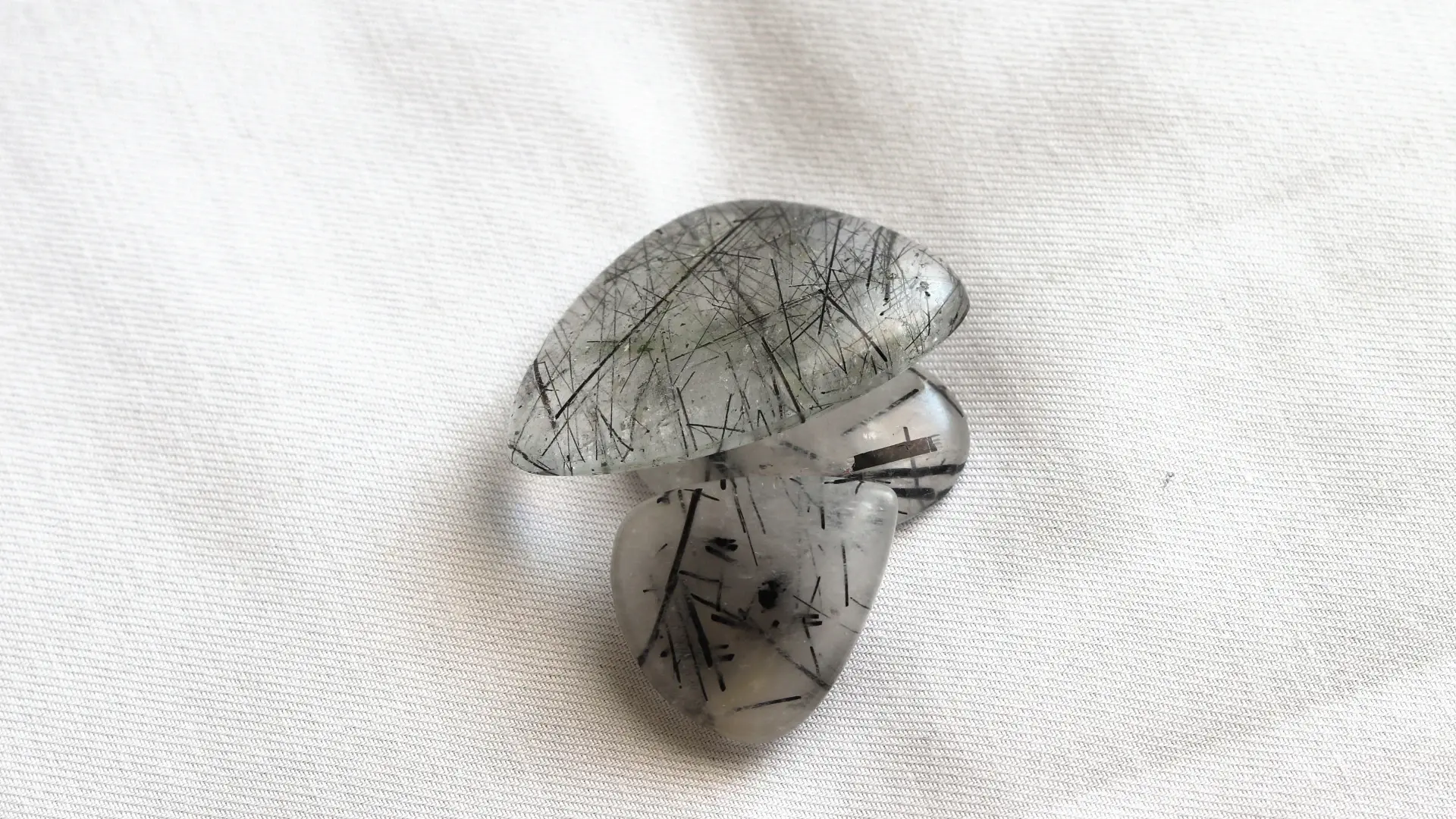
Clear quartz with needles of black tourmaline inside, like strokes of an ink pen. Two minerals that grew together and got stuck in each other.
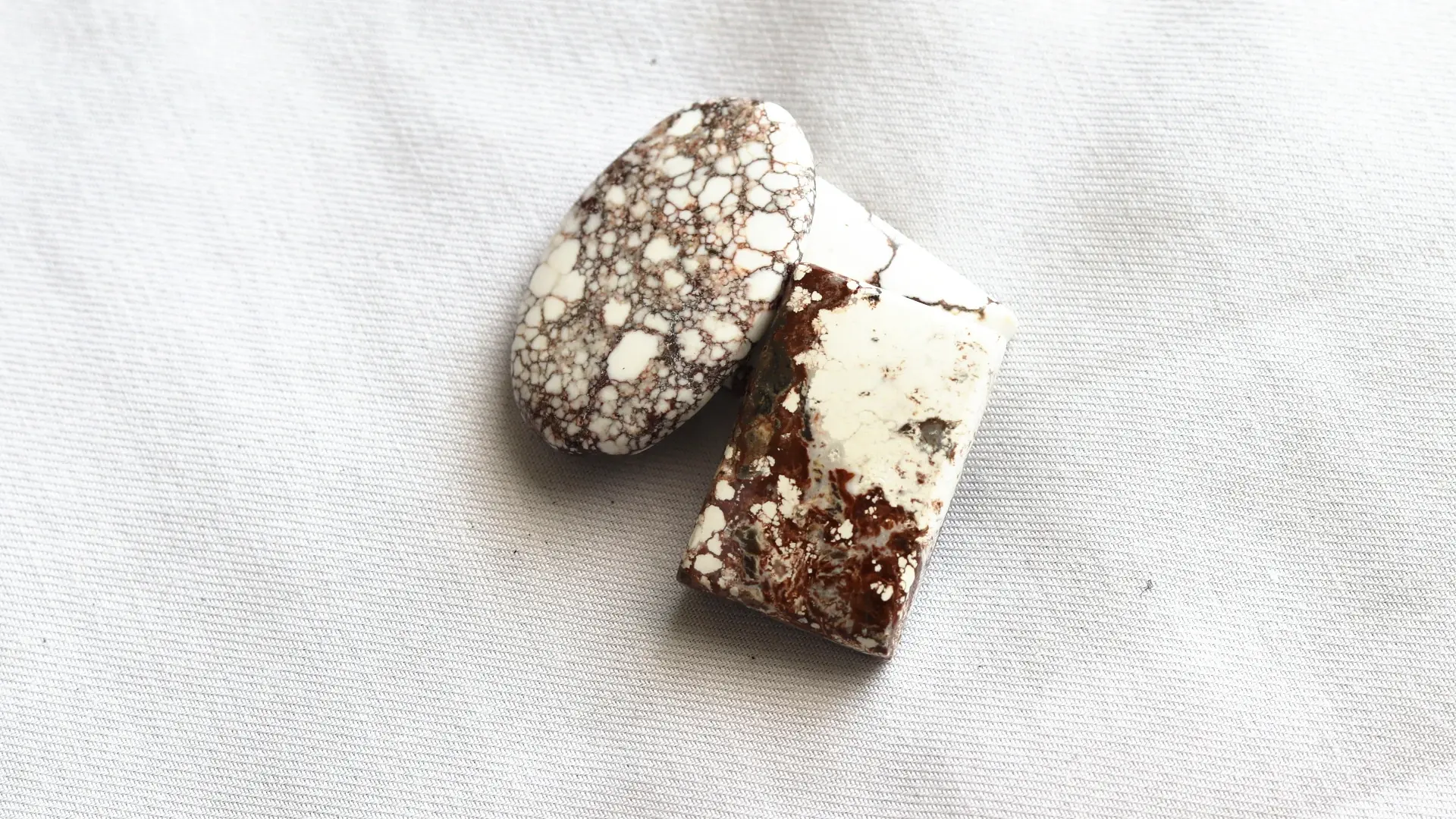
A trade name for white magnesite with reddish brown hematite, from one place in Arizona. It is sometimes called turquoise, but there is no turquoise in it.