Solar Quartz
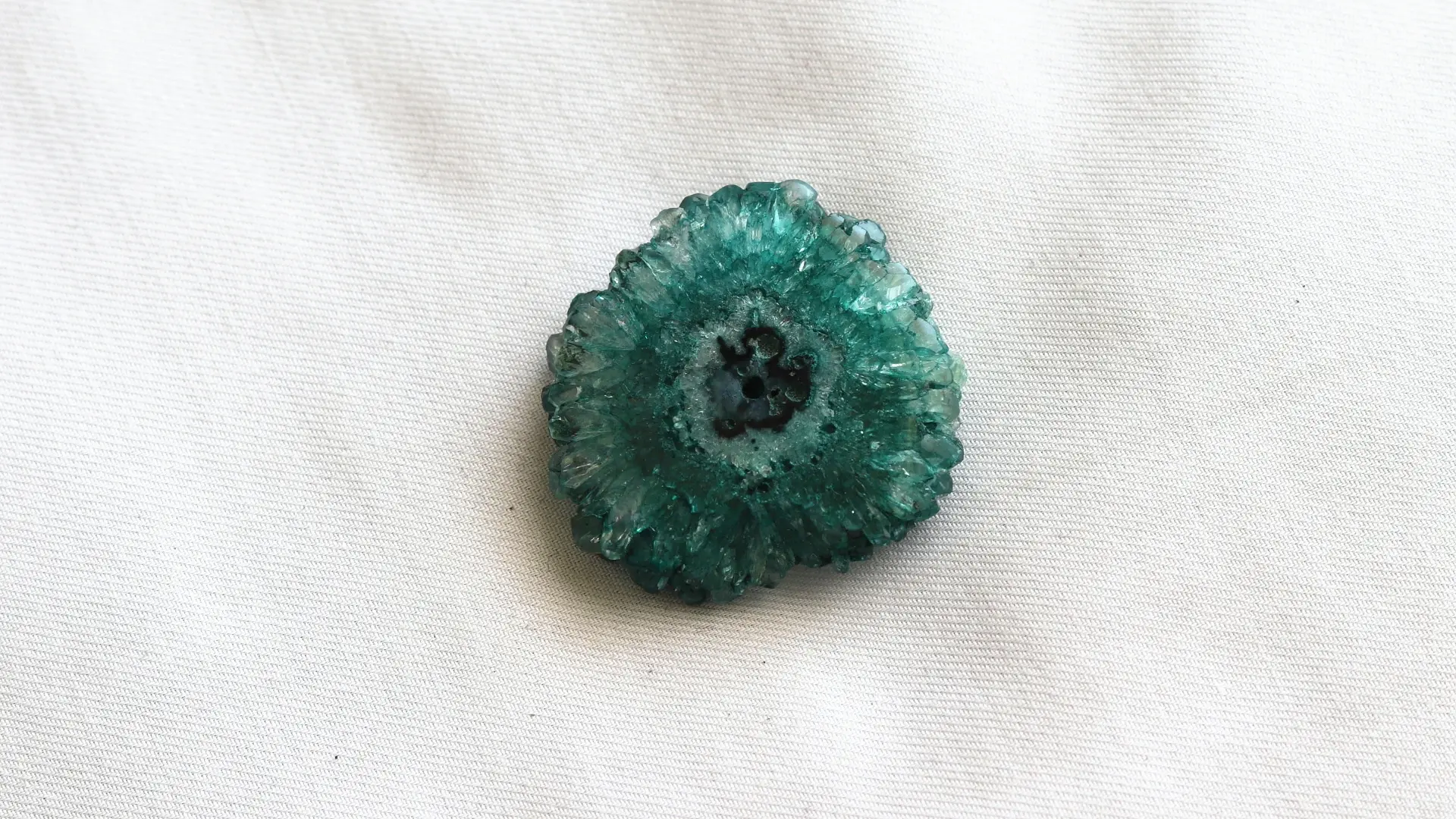
A slice of a quartz stalactite, with crystals radiating from the center like sunrays. The teal color probably came later.
The photo shows a single, roughly round slice in bright teal. In the middle there is a dark circle, and around it small sparkling crystals radiate outward to the edges, like a sun someone drew, or a flower. According to Fire Mountain Gems, solar quartz is cut from clear quartz stalactites, and the name comes from the pattern: crystals radiating from a center, like sunrays.
A quartz stalactite, according to Rock Your World, grows layer after layer of quartz into a kind of "mineralized icicle". Slice it across, and you see the growth rings and the core where it all began, and sometimes pockets of tiny sparkling crystals, called druzy. That is what the slice in the photo shows: a cross-section of a stalactite, from the center outward.
Now for the color. According to Fire Mountain Gems, natural solar quartz is white, sometimes with green or brown moss-like inclusions, and sometimes in sunset shades: yellow, orange, red and pink. Teal is not on the list. Dyed solar quartz slices are sold openly, for example by Crystal River Gems. We have not tested our stone, but this shade is most likely dyed. This sun got a color the real one has never heard of.
According to Fire Mountain Gems, solar quartz is mined in Brazil, Madagascar, India, Mozambique, Namibia, Sri Lanka and the United States. And one cleaning tip: because of the tiny crystals, better not to use an ultrasonic cleaner. Water and a soft cloth will do.
Crystal traditions
In crystal tradition
According to Fire Mountain Gems, solar quartz is also known as the "prosperity stone" or "energy stone". Like other quartz, it is believed to enhance energy and bring emotional strength, and to be protective and purifying. According to the site, its meaning is linked to the sun, with its warm, life-giving energy.
Sources: Solar Quartz Meaning and Properties, Fire Mountain Gems and Beads
Scientific information
Properties
Chemistry: silicon dioxide, SiO₂. Quartz.
Structure: a cross-section of a quartz stalactite, with crystals radiating from a center and sometimes druzy pockets.
Mohs hardness: 7.
Specific gravity: about 2.65.
Refractive index: 1.54 to 1.55.
Natural colors: white, sometimes with green or brown inclusions, or shades of yellow, orange, red and pink. Shades such as teal are most likely dyed.
Cleaning: water and a soft cloth. No ultrasonic cleaner.
Sources: Solar Quartz Meaning and Properties, Fire Mountain Gems and Beads; Quartz Mineral | Photos, Uses, Properties, Pictures, Geology.com; About Quartz Stalactites, Rock Your World; Solar Quartz Dyed Stalactite Slices (8 Ounce Lot), Crystal River Gems
Sources
- Solar Quartz Meaning and Properties, Fire Mountain Gems and BeadsAccessed September 24, 2026
- Quartz Mineral | Photos, Uses, Properties, Pictures, Geology.comAccessed September 24, 2026
- About Quartz Stalactites, Rock Your WorldAccessed September 24, 2026
- Solar Quartz Dyed Stalactite Slices (8 Ounce Lot), Crystal River GemsAccessed September 24, 2026
More crystals
Amazonite
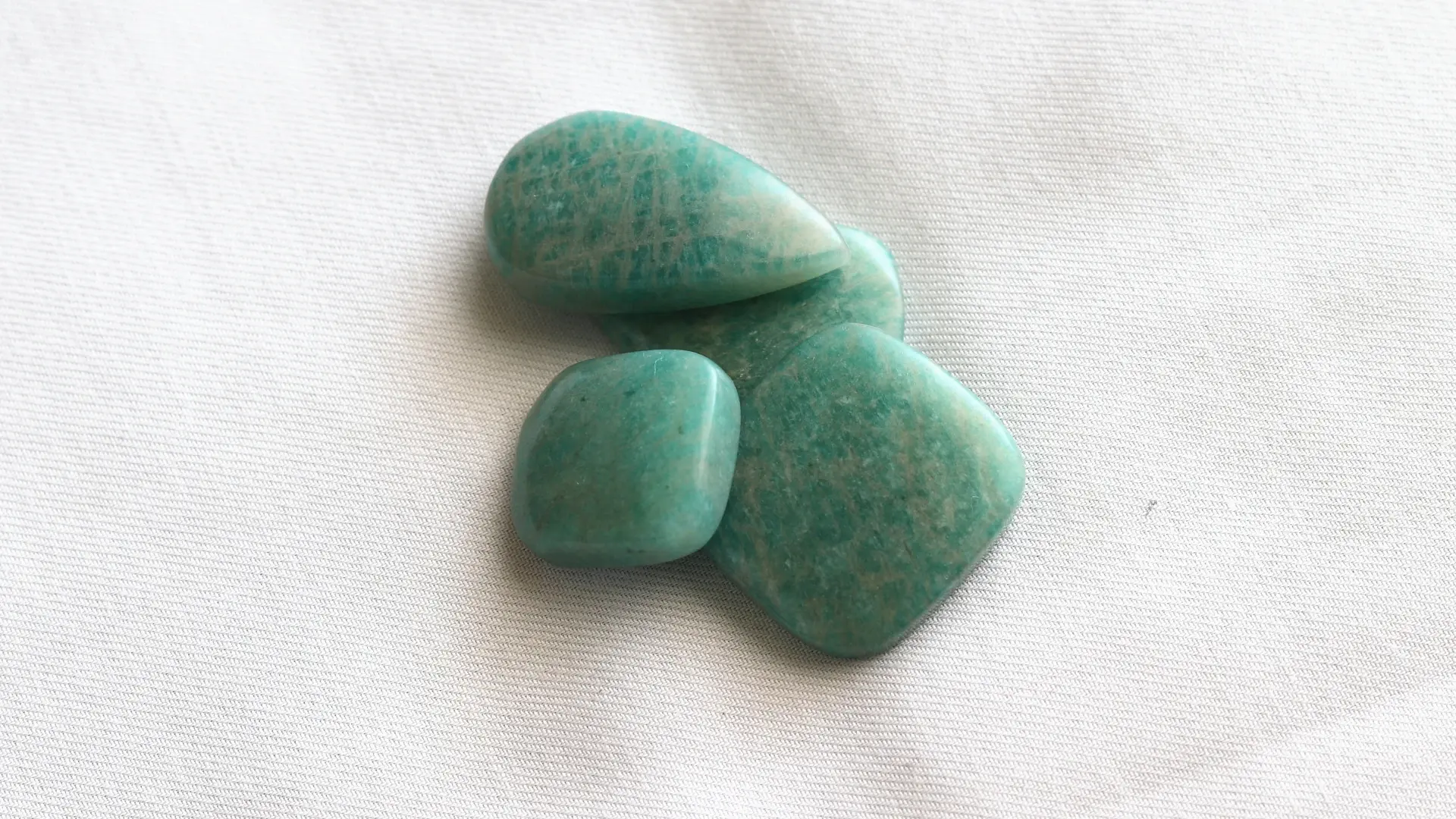
A turquoise-green variety of the feldspar microcline. Despite the name, it does not come from the Amazon.
Amethyst
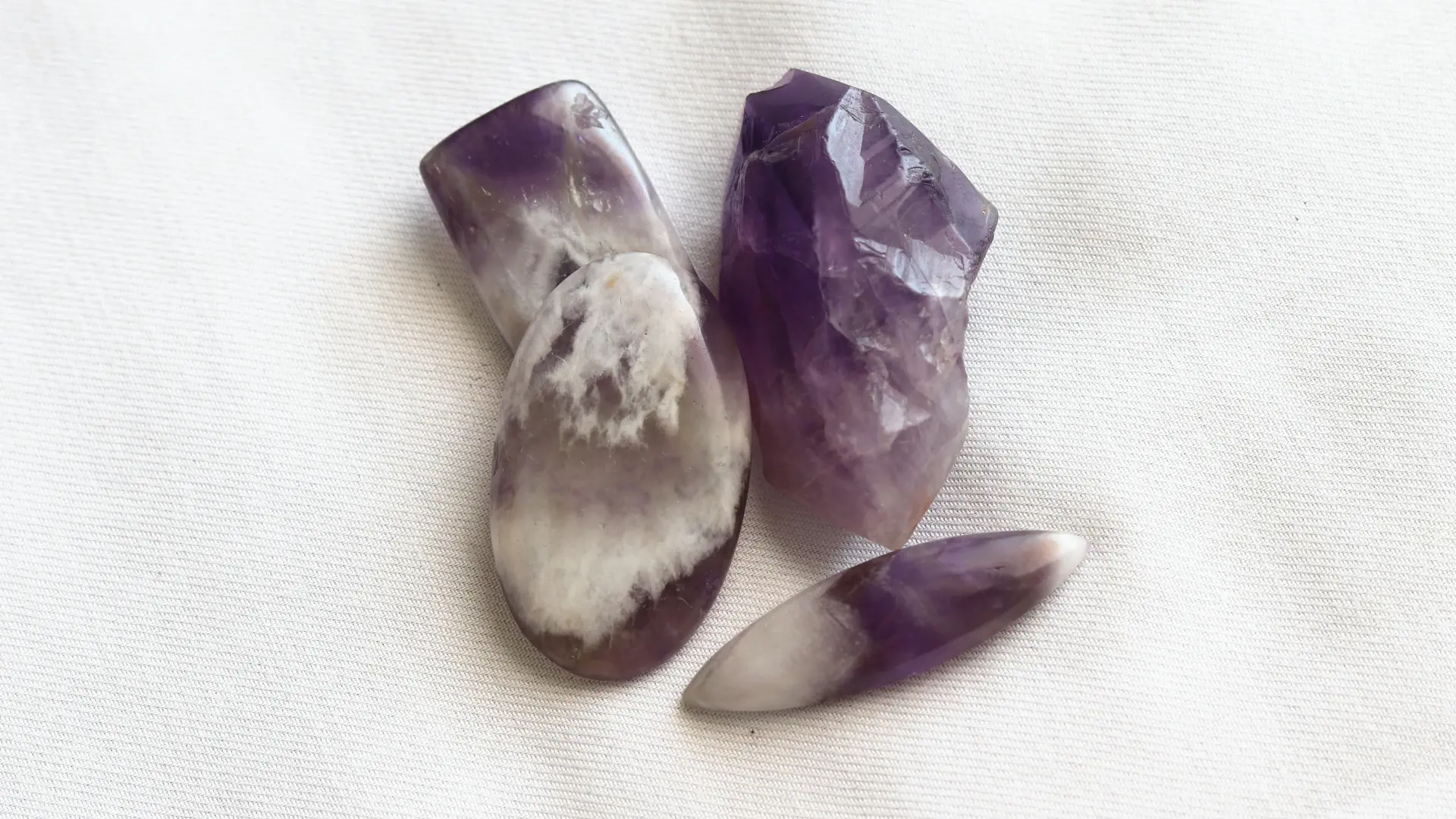
Purple quartz whose Greek name means "not drunk". By the common identification, one of the breastplate stones, and one of the best-loved stones in the world.
Aquamarine
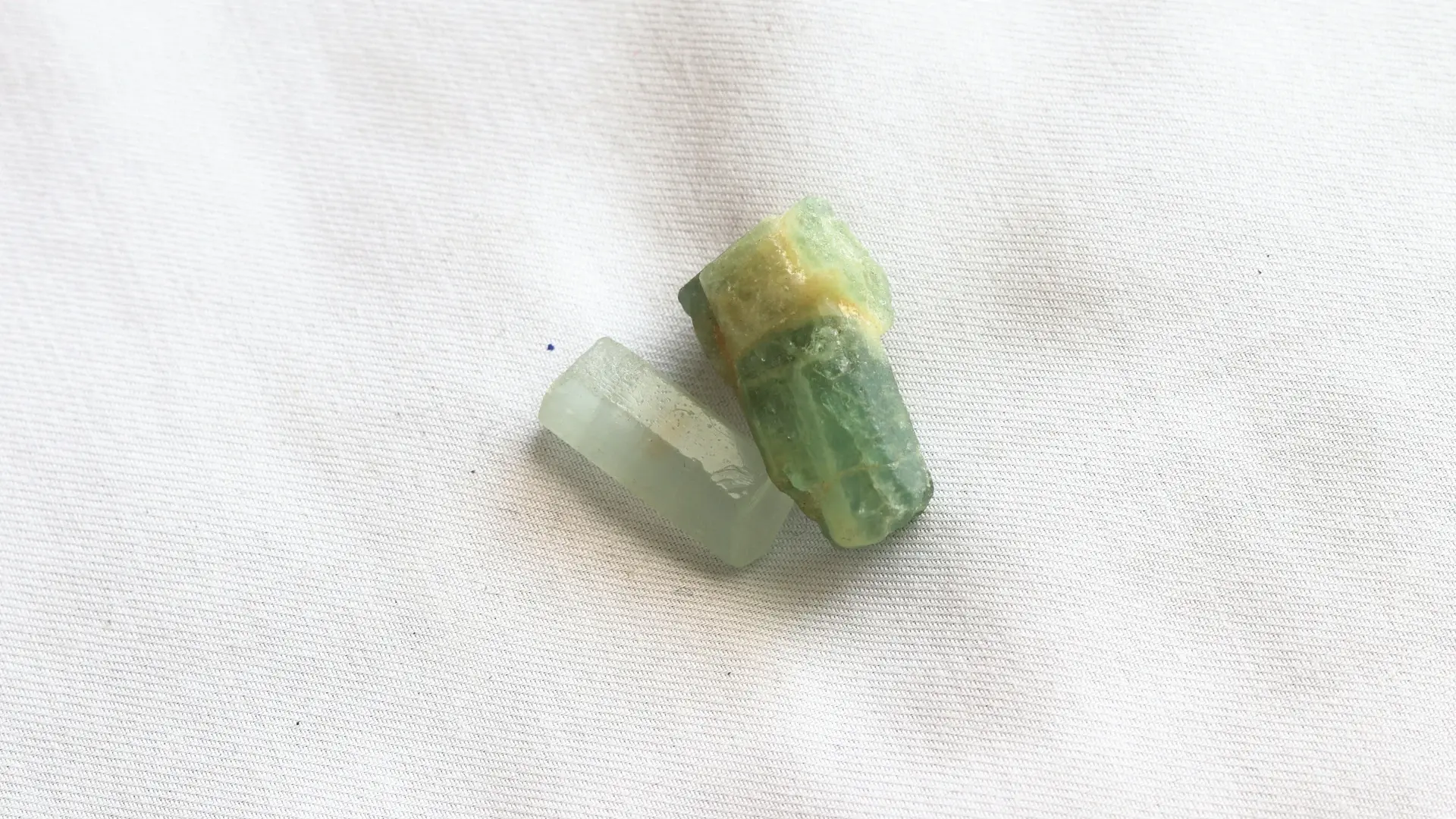
The blue-green variety of beryl, a close relative of emerald. Its name means "seawater".
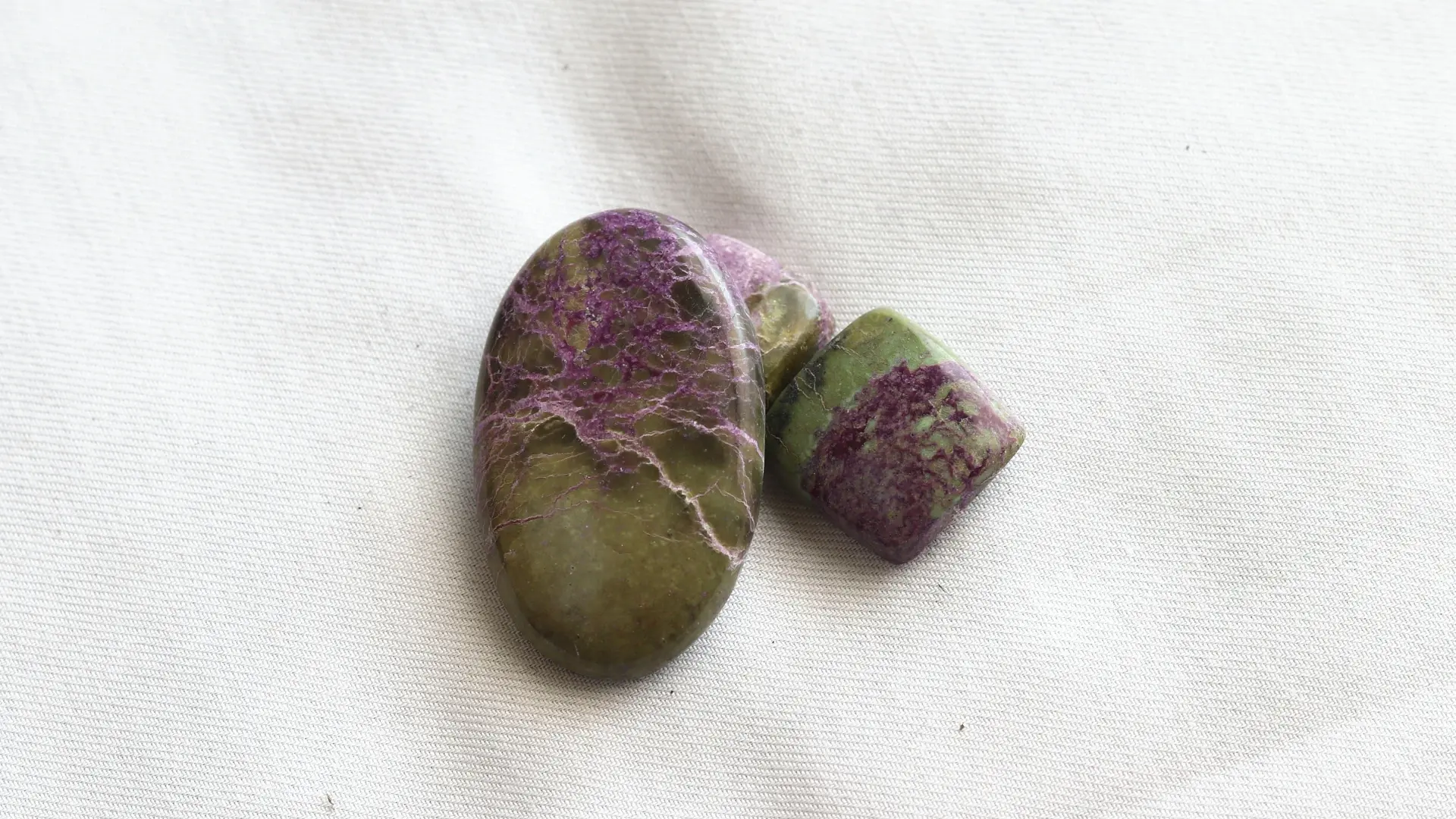
Atlantisite
A natural mix of green serpentine and purple stichtite, from a single hill in Tasmania.