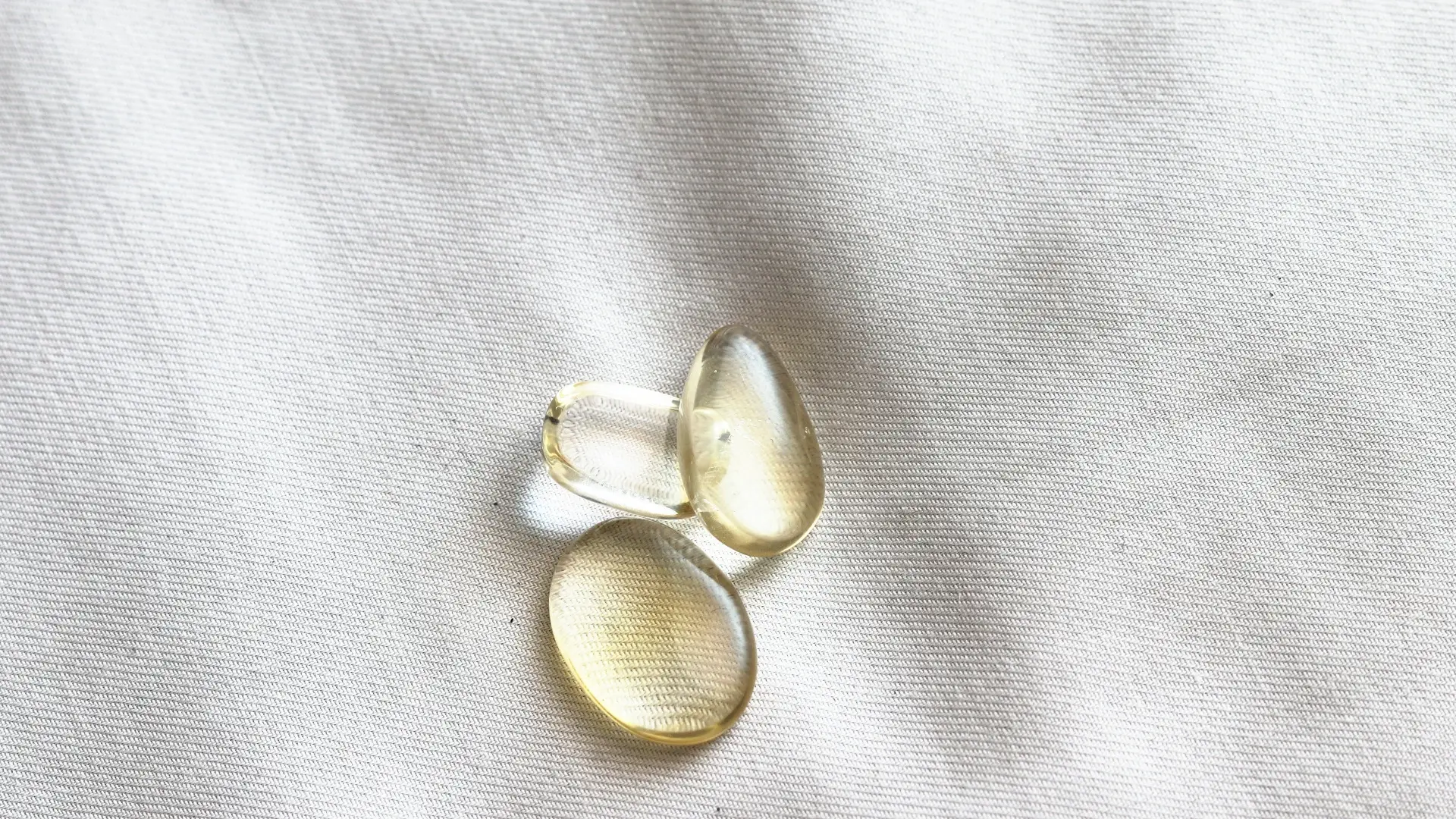
Citrine
Lemon-colored quartz. It is rare in nature, which is why most citrine on the market started life as purple amethyst.
Citrine is yellow quartz. Its name comes from the Latin citrus, by way of the French word for lemon, and its color ranges from pale yellow to brownish orange.
Here is the industry's secret: natural citrine is rare. According to GIA and Wikipedia, most of what is sold as citrine is actually amethyst that was heated to a few hundred degrees and lost its purple. The big yellow geodes known as "cathedrals" are usually heated amethyst too. In other words, a lot of citrine is amethyst that came out of the sauna.
How can you tell? According to Wikipedia, natural citrine tends to be pale, while heated amethyst tends toward deep yellow, orange or brown. There is also an optical difference: natural citrine is weakly dichroic, meaning its shade shifts slightly with the viewing angle, and heated amethyst is not. That is hard to test at home. The stones in the photo are definitely on the pale side, but paleness alone proves nothing.
For centuries citrine was confused with topaz because of its color. According to Hebrew Wikipedia, names like "gold topaz" and "Madeira topaz" are still in use, even though the two minerals are unrelated. There is a simple way to tell them apart: topaz is harder, 8 on the Mohs scale compared with 7.
In Bolivia, nature made the combination itself: in a stone called ametrine, amethyst and citrine grow in the same crystal, half purple and half yellow. If you could not decide between the two, you can simply have both.
Crystal traditions
In crystal tradition
Crystal Vaults calls citrine "the Merchant's Stone" for its reputed ability to increase what is in the cashbox, and describes it as a stone of abundance and manifestation, "carrying the power of the sun".
The site links it to the solar plexus, sacral and crown chakras, and names it the zodiac stone of Cancer.
Sources: Citrine Healing Properties, Meanings, and Uses, Crystal Vaults
Scientific information
Properties
Chemistry: silica, SiO₂. A yellow variety of quartz.
Mohs hardness: 7.
Specific gravity: 2.66.
Color cause: not agreed on. There is evidence for aluminium-related color centers, as in smoky quartz, and some sources attribute it to iron. In heated amethyst, the color comes from iron oxides.
Amethyst loses its purple when heated above 200 to 300 °C.
Sources: most citrine, natural and heated, comes from Brazil. Natural citrine is also found in Russia and Madagascar.
Sources: Citrine, GIA; Citrine, Wikipedia; סיטרין, ויקיפדיה
Modern interpretations
Modern customs
Along with topaz, citrine is the birthstone for November. It is also the gem for the 13th wedding anniversary.
Sources: Citrine, GIA
Associations
Different traditions associate this stone with different things, and they sometimes conflict. Each association is shown with its tradition and sources.
Zodiac sign
CancerCrystal tradition
Sources: Citrine Healing Properties, Meanings, and Uses, Crystal Vaults
Chakra
Solar PlexusCrystal tradition
Sources: Citrine Healing Properties, Meanings, and Uses, Crystal Vaults
Chakra
SacralCrystal tradition
Sources: Citrine Healing Properties, Meanings, and Uses, Crystal Vaults
Chakra
CrownCrystal tradition
Sources: Citrine Healing Properties, Meanings, and Uses, Crystal Vaults
Sources
- Citrine, GIAAccessed September 24, 2026
- Citrine, WikipediaAccessed September 24, 2026
- סיטרין, ויקיפדיהAccessed September 24, 2026
- Citrine Healing Properties, Meanings, and Uses, Crystal VaultsAccessed September 24, 2026
More crystals
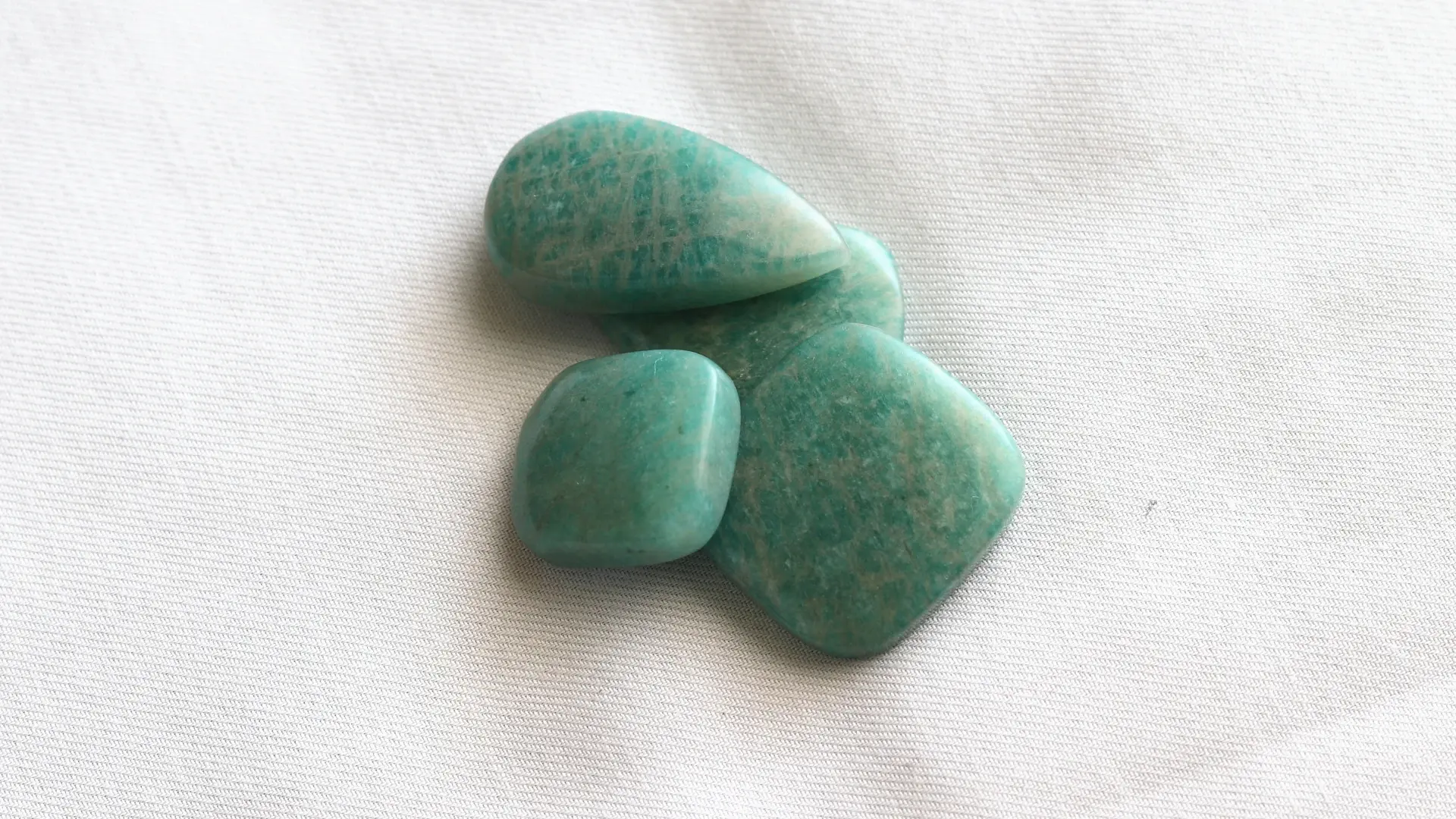
Amazonite
A turquoise-green variety of the feldspar microcline. Despite the name, it does not come from the Amazon.
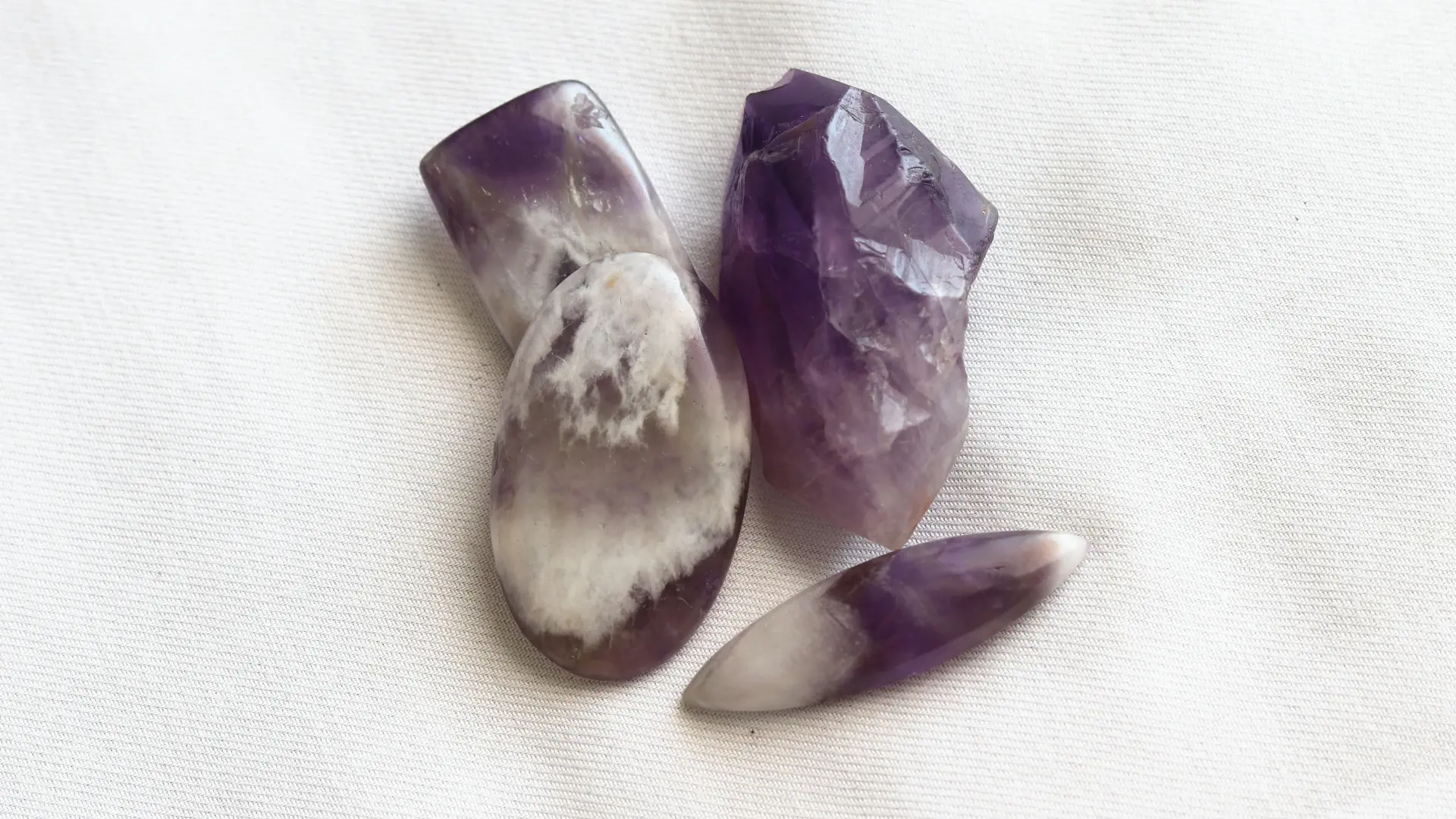
Amethyst
Purple quartz whose Greek name means "not drunk". By the common identification, one of the breastplate stones, and one of the best-loved stones in the world.
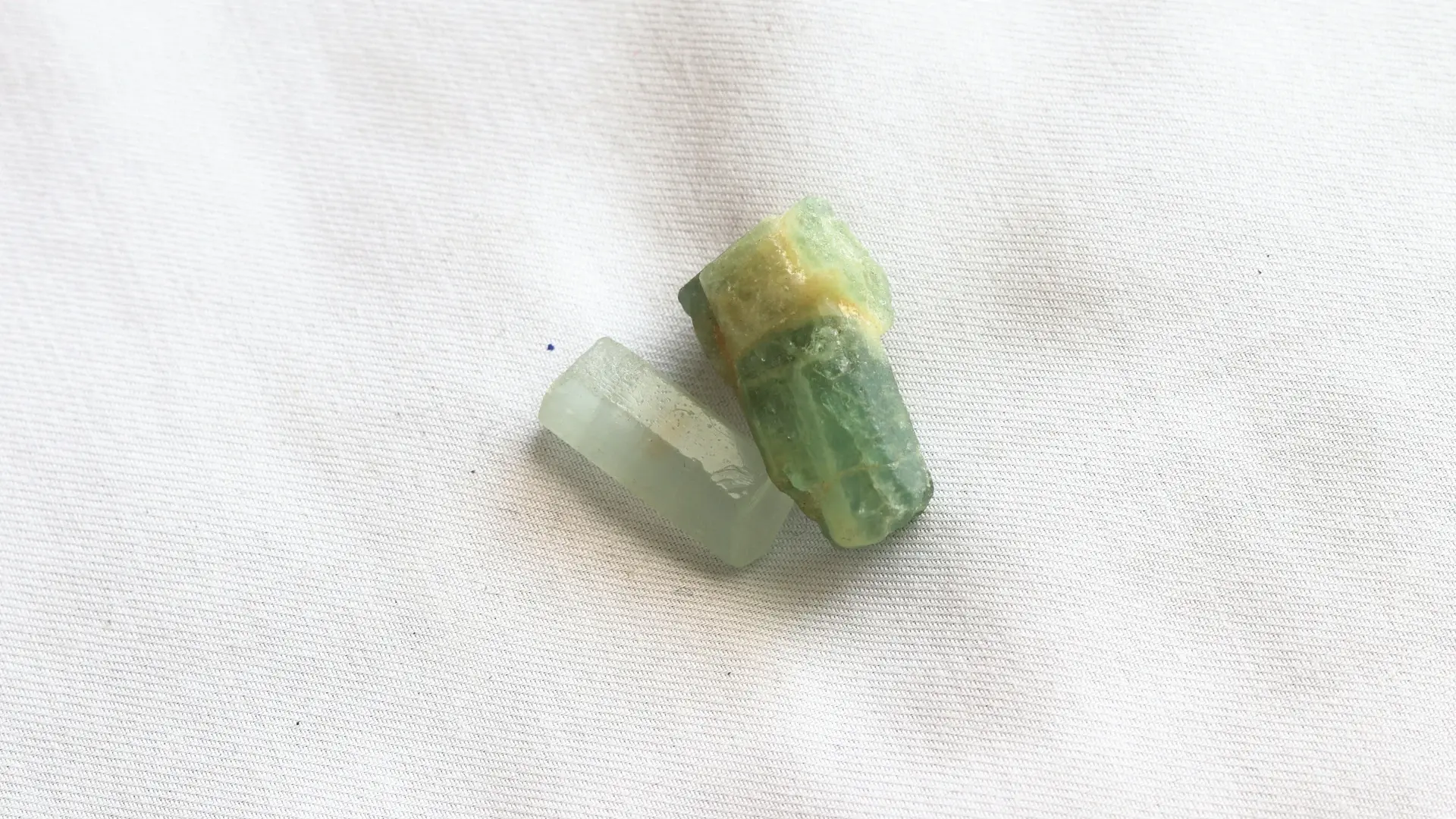
Aquamarine
The blue-green variety of beryl, a close relative of emerald. Its name means "seawater".
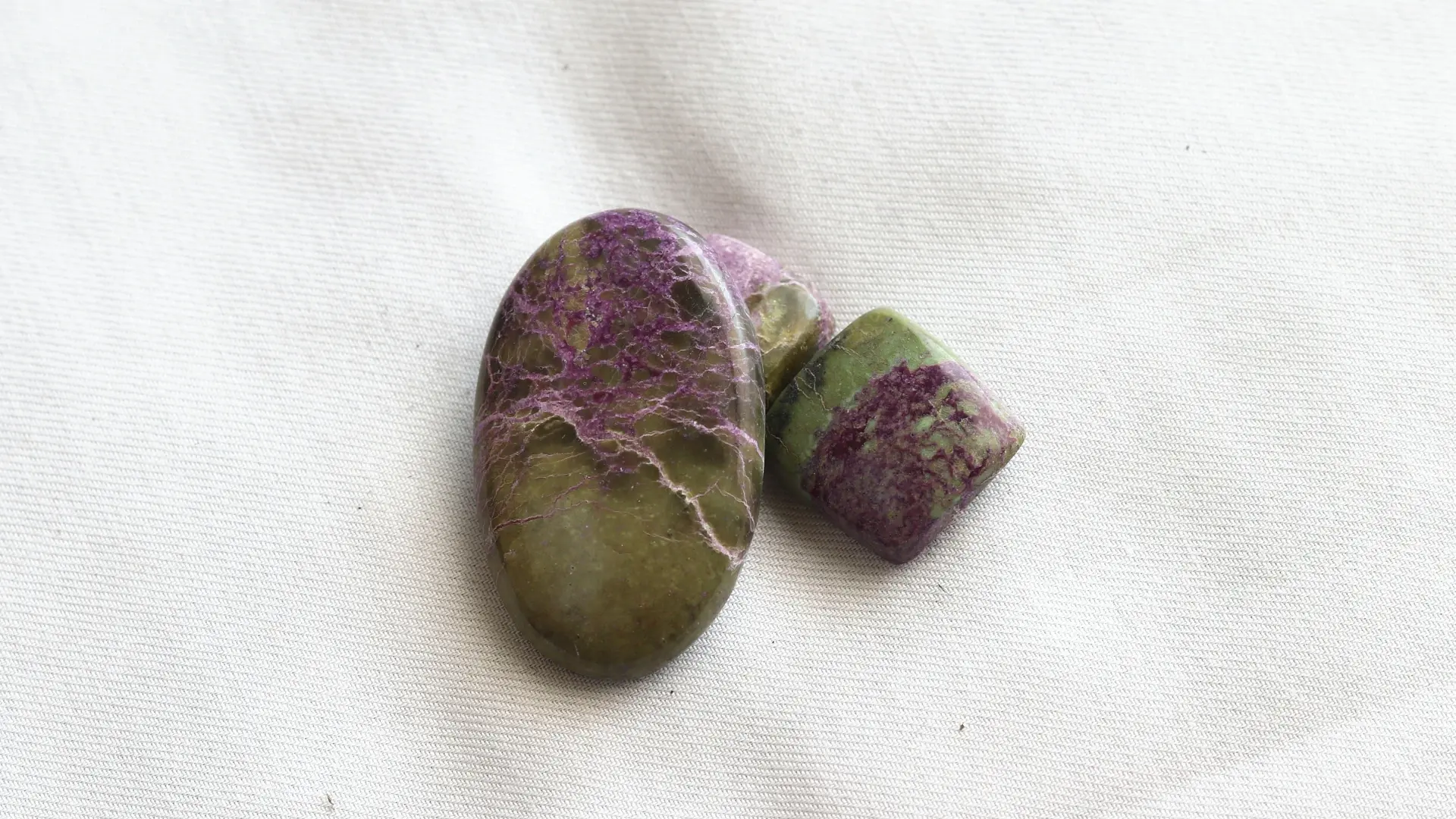
Atlantisite
A natural mix of green serpentine and purple stichtite, from a single hill in Tasmania.